
Sensitive facial skin: what it is and how to recognise it
By Emanuela Silvi, founder of Eligenda Roma.
Sensitive skin may react to a cleanser, wind or a new cream with burning, stinging, itching or tightness, sometimes without any visible signs. These sensations matter, but they do not reveal the cause on their own. Researchers study both the skin’s nerve responses and its barrier; when symptoms persist, other skin conditions need to be ruled out.
In this guide
What does 'sensitive skin' mean?
A definition based on sensations
The IFSI consensus paper published in 2017 defines sensitive skin as a syndrome characterised by unpleasant sensations in response to stimuli that would not normally cause them. It lists five sensations: stinging, burning, pain, itching and tingling.
The definition makes two useful distinctions. The sensations must not be explained by lesions caused by a skin disease; possible dermatitis or another skin condition needs medical assessment. The skin may also look completely normal or show redness. The face is the area most often affected.
How common is it?
A meta-analysis published in 2020 estimated that 71% of adults in the included studies reported some degree of sensitivity, while 40% reported moderate or high sensitivity.
These are questionnaire responses, not diagnoses. Estimates change with the population and how the question is asked: they describe how often people reported symptoms in the collected data, not a definite percentage for every country or the present day.
How sensitivity differs from dry, oily and combination skin
Traditional skin types describe how skin produces sebum and retains water. Sensitivity describes how skin responds to stimuli, a separate characteristic that can overlap with every type.
You can have dry skin that stings or combination skin with burning cheeks; blemish-prone skin can also react to treatments. Type and sensitivity are separate dimensions, which is why asking 'What skin type do I have?' is not enough to decide on a routine: how readily your skin reacts matters too.
What happens beneath the surface
The research on this is less straightforward than it may seem.
The skin barrier
The skin barrier helps retain water and limit contact with irritants. Altered barrier function is observed in some people who report sensitivity, but it is not a single explanation that applies to everyone.
The 2020 IFSI position paper emphasised that the observed association did not demonstrate a direct causal relationship. When choosing a moisturiser, the specific formula, available evidence and your skin's response therefore matter.
The skin's nervous system
Nerve endings in the skin help us feel burning, stinging and itching. The 2020 IFSI paper gives these sensory responses an important role, while acknowledging that the mechanism is not fully understood.
A sensation can be real even when skin looks normal. However, looking at the face cannot establish that discomfort is definitely neurological, that inflammation is absent or that allergy is ruled out. If the problem recurs, a dermatologist can distinguish sensitivity, irritation and other conditions.
What triggers the sensations?
The position paper lists three types of factors. Keeping them separate is useful because they are addressed in different ways.
- Physical: temperature changes, wind, sun, very hot or very hard water, and friction.
- Chemical: some surfactants, fragrances, preservatives, solvents and, more generally, products applied to the face.
- Psychosocial: the authors identify stress and negative expectations as relevant for subgroups of people. This does not apply to everyone or mean that the sensation is imaginary. We cover stress and skin in a separate guide: how stress affects the skin.
The limits of cosmetics
A cosmetic can cleanse, hydrate and improve comfort if it is well tolerated. The choice cannot be reduced to one ingredient: the complete formula, directions and individual reactions matter.
The 2020 IFSI paper recommended identifying triggers and choosing tolerated products. Its observations on limited pharmacological evidence refer to the literature available at the time and should be read in that context.
If discomfort is caused by dermatitis, rosacea or allergy, the approach changes. A cosmetic routine can support care, while diagnosis and treatment are the professional's responsibility.
Building a routine your skin tolerates
- One new product at a time. Introducing two together makes it harder to tell which causes discomfort.
- Try a small area first. The American Academy of Dermatology suggests applying twice daily for 7–10 days to an area such as the inner arm, following the instructions and rinsing when required. Stop if a reaction occurs. A home trial does not rule out every allergy or replace medical patch testing.
- Lukewarm water, never hot, and brief cleansing. When cleansing your face, particularly limit rubbing and repeated washing.
- Fewer steps, kept consistent. For reactive skin, consistency matters more than the number of products. The application order remains the same.
- Pay attention to active ingredients that sting, even when stinging is described as normal. For sensitive skin, that sensation deserves attention.
- Read the label. Fragrances and some preservatives are among the chemical factors listed; our label-reading guide explains how to find them. To learn an ingredient's function, look it up in the INCI analyser.
What a cream for sensitive skin does not do
- It cannot guarantee that you will not react. A product may suit many people yet cause discomfort for someone else.
- It does not replace a diagnosis. Persistent redness, flaking, pain or recurring itching warrant an appointment.
- It is not better tolerated simply because it is natural. Plant extracts and fragrances can also cause reactions.
- It does not require you to endure burning. Stop and reconsider a cosmetic that causes discomfort; for prescribed treatments, ask your doctor for guidance.
Considering Eligenda Roma products
Eligenda treatment leaflets carry the wording dermatologically tested. This neither guarantees the absence of reactions nor, by itself, proves efficacy for a skin condition. We discuss this in what dermatologically tested means.
The three products described here have different compositions and directions. With reactive skin, assess each product individually: the formulations contain botanical extracts, and the range's descriptions do not demonstrate universal tolerability.
Rejuvenating Facial Toner
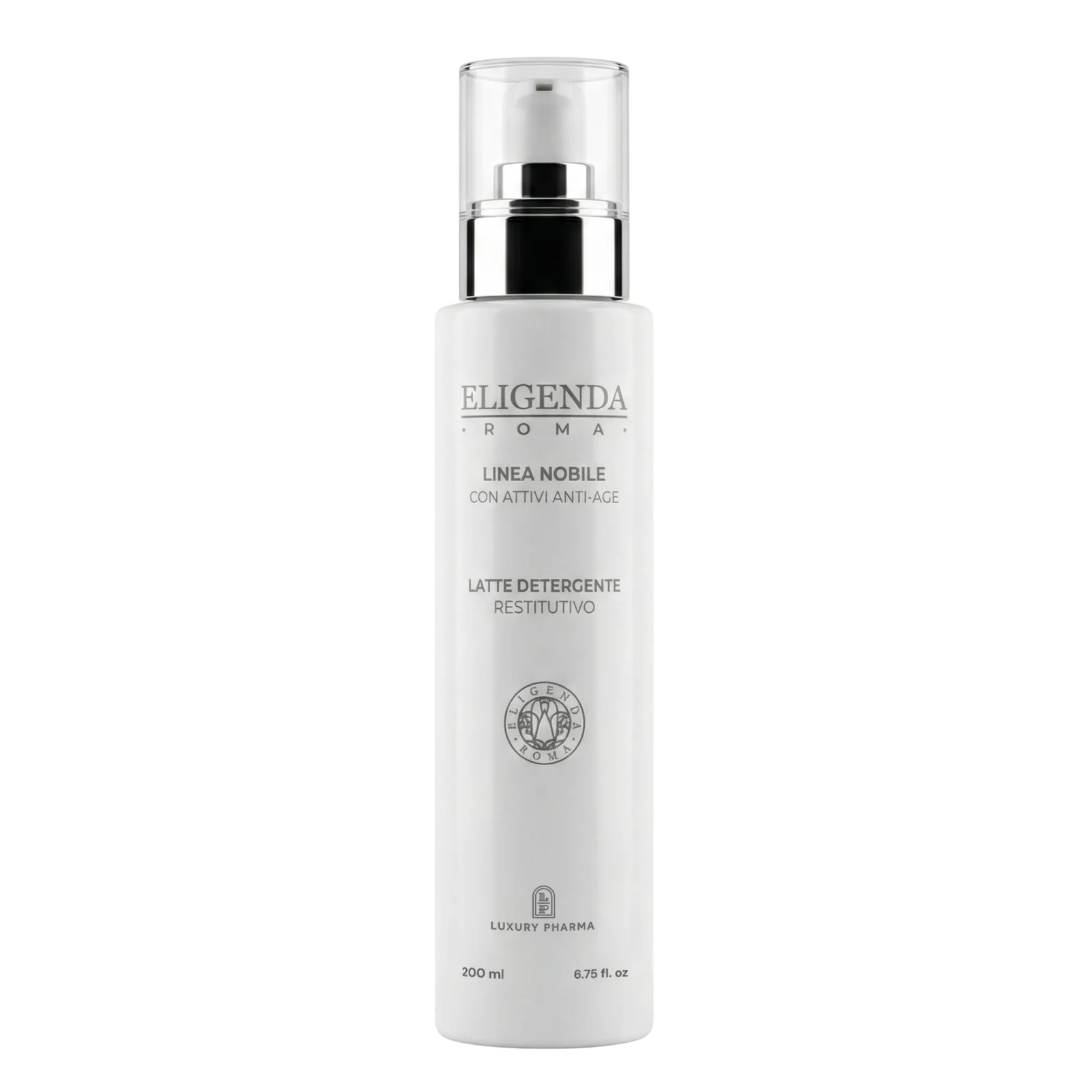
The range’s toner contains chamomile water, helichrysum water, calendula extract and witch hazel water. The leaflet says to apply it with a cotton pad to the face and neck after cleansing. Include this optional step if it feels comfortable on your skin. Size: 200 ml.
Delicate Eye Contour Cream
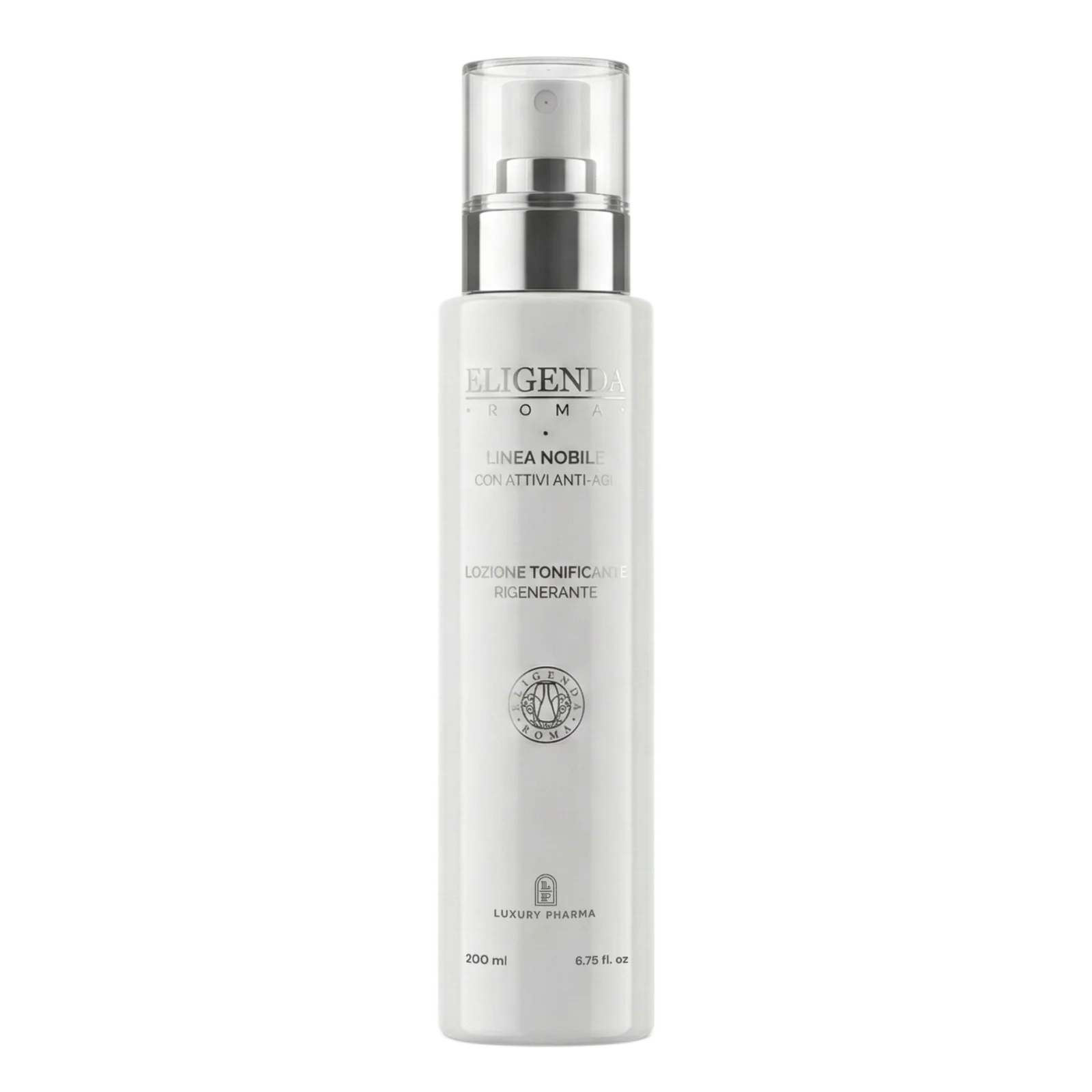
The eye area is delicate and needs light application, avoiding contact with the eyes. The formula contains a blend of actives extracted from caper fruit, prickly pear and olive leaves, centella asiatica extract, shea butter and jojoba oil. Apply a small amount morning and evening, from the inner towards the outer corner. Size: 15 ml, with spatula.
A product with botanical extracts can also cause reactions. When introducing it, follow the small-area trial described above; its result does not guarantee tolerability around the eyes.
Restorative Cleansing Milk
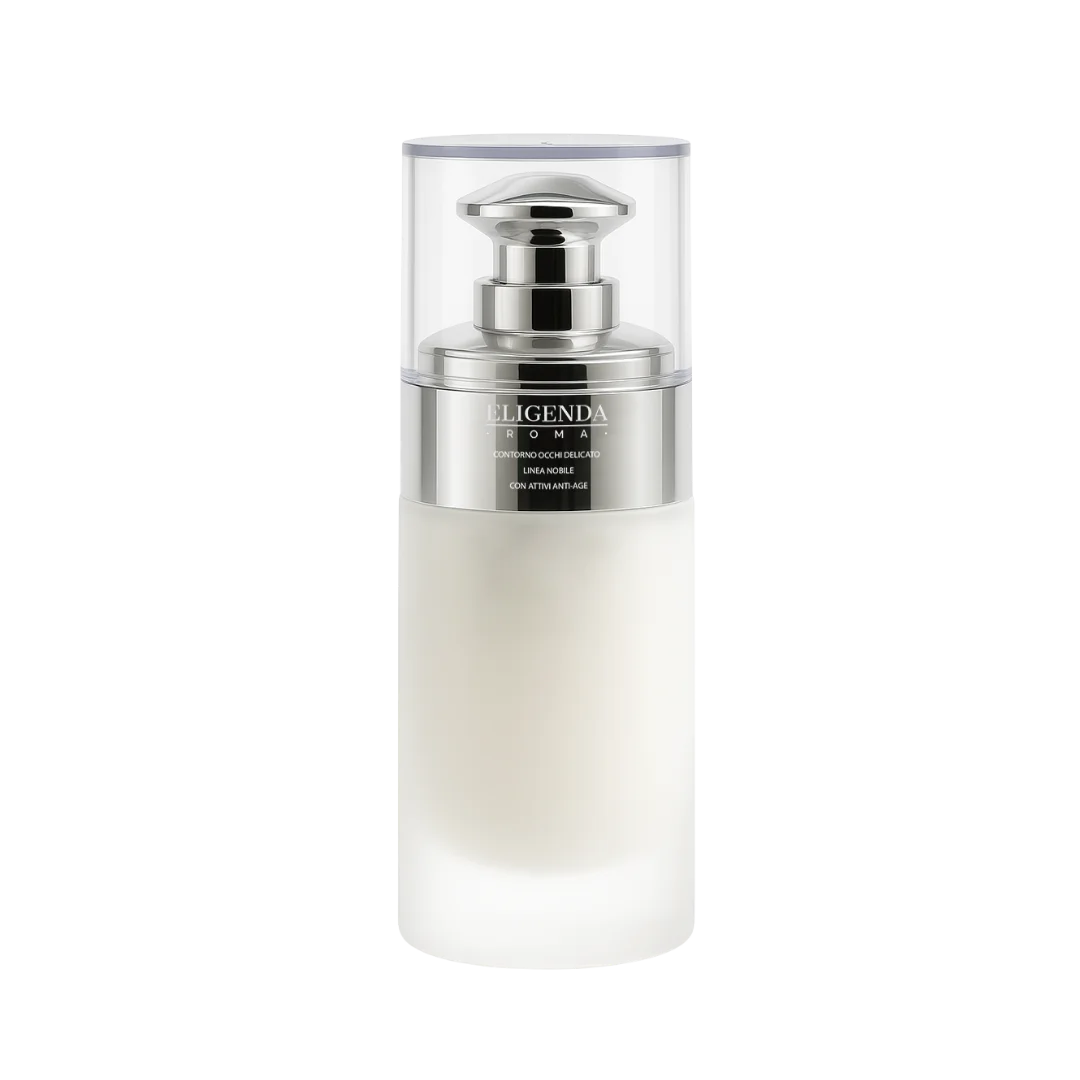
For reactive skin, pay attention to both the cleanser and gentle handling. Restorative Cleansing Milk cleanses and removes make-up; apply with fingertips or a cotton pad, then rinse. Size: 200 ml. The catalogue presents it for all skin types, subject to individual tolerability. See also which treatment to choose.
Application and rinsing steps are described in the guide to using cleansing milk.
At a glance
Sensitivity is described through sensations such as burning, stinging and itching, even without obvious signs. It can affect different skin types, with no single mechanism proven for everyone. A simple routine using tolerated products introduced one at a time helps you observe reactions. If symptoms persist or occur with lesions, dermatological assessment helps establish the cause.
Frequently asked questions
What does having sensitive skin mean?
The 2017 IFSI definition describes unpleasant sensations such as stinging, burning, pain, itching and tingling in response to normally harmless stimuli. Skin may look normal or red; any skin diseases explaining the symptoms should be assessed by a doctor.
How many people have sensitive skin?
A meta-analysis published in 2020 estimated 71% self-reported sensitivity of some degree and 40% moderate or high sensitivity in the studies considered. These are questionnaire responses, not diagnoses or a universal current measurement.
Is sensitive skin a skin type?
Sensitivity describes how skin reacts to stimuli and can affect dry, combination or oily skin. Skin type alone cannot tell you which products you will tolerate.
Is sensitive skin caused by a damaged barrier?
Not always. Research examines both barrier function and cutaneous nerve responses. The 2020 IFSI paper did not demonstrate a direct causal relationship applying to everyone; this does not rule out a barrier role or the usefulness of good hydration.
What triggers sensitive-skin reactions?
Temperature, wind, friction or certain products may contribute. For some people, stress also matters. Triggers vary individually and cannot, on their own, distinguish sensitivity, irritation and allergy.
What cream does sensitive skin need?
A formula that provides comfort without causing reactions. Introduce one product at a time and try a small area first, following the guidance described here. A home trial does not rule out every allergy; persistent symptoms need dermatological assessment.
Is a natural product more suitable for sensitive skin?
Not necessarily. Plant origin does not guarantee tolerability: natural extracts and fragrances can also cause reactions.
When should you see a dermatologist?
When burning, itching, pain, redness or flaking persists or recurs. A dermatologist can establish whether symptoms come from sensitivity, dermatitis, rosacea, allergy or other conditions.