
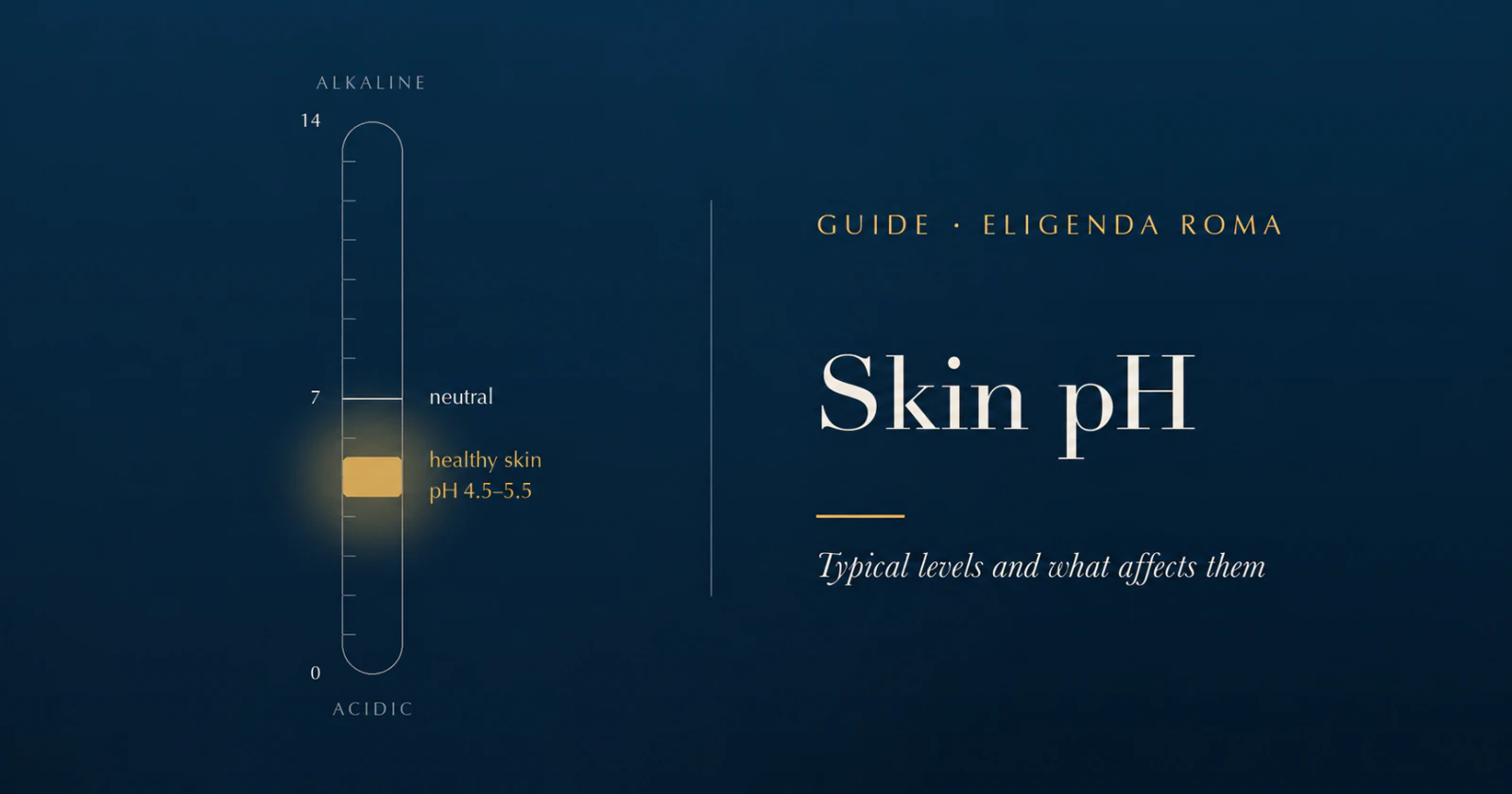
Skin pH: typical values and what can change them
By Emanuela Silvi, founder of Eligenda Roma.
The pH of the skin surface is normally slightly acidic. An approximate range of 4.5–5.5 is often cited, but the value varies with body area, age, skin condition and how it is measured. A feeling of dryness alone cannot tell you your skin's pH.
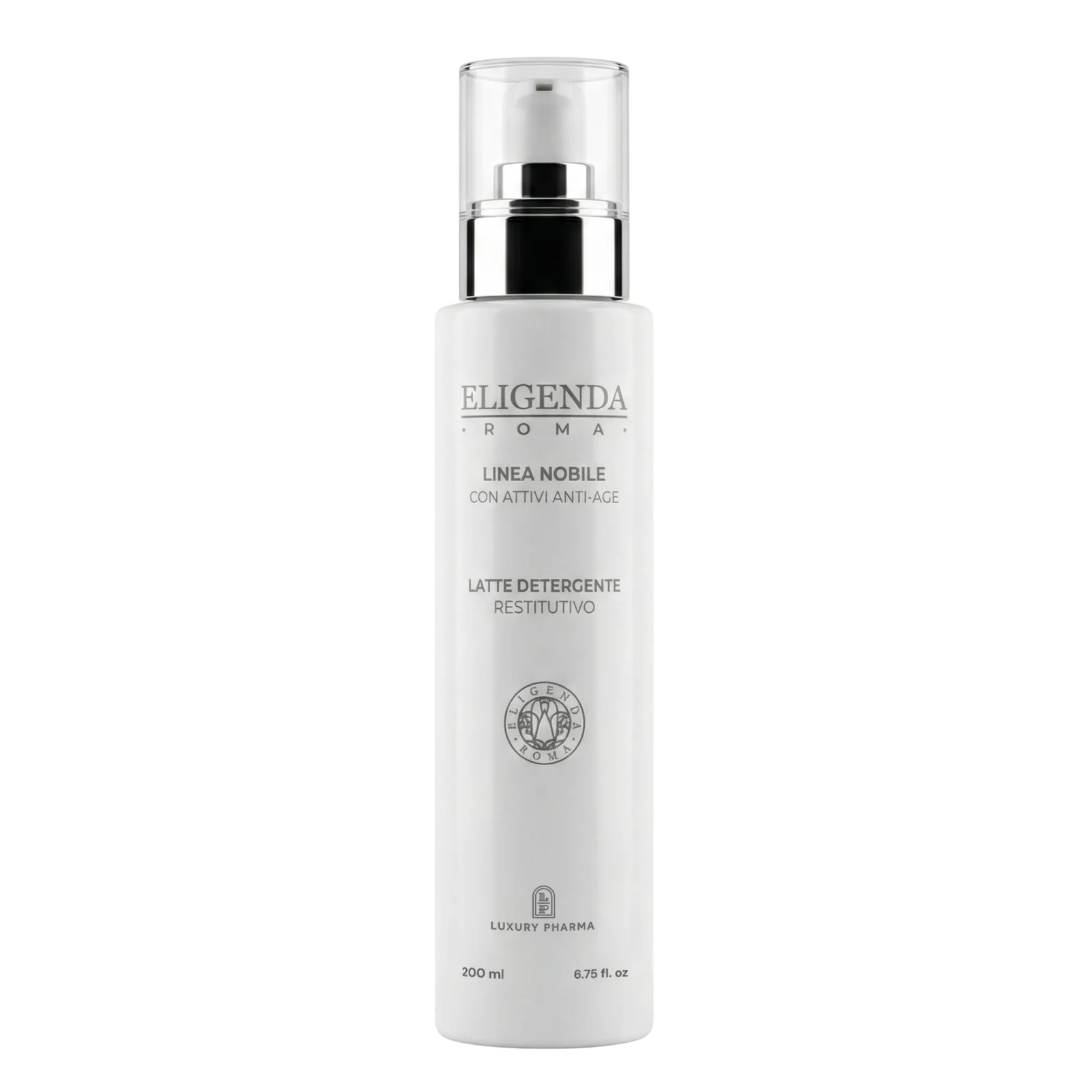
For everyday skincare, start with a cleanser your skin tolerates well. Our Restorative Cleansing Milk removes make-up and impurities with a rich emulsion designed to preserve the hydrolipidic film.
In this guide
- What is pH?
- What is normal skin pH?
- The acid mantle and skin barrier
- What can change skin pH?
- Dry, oily or sensitive skin: does pH differ?
- How can you tell whether skin pH has changed?
- Caring for your skin without chasing a number
- Does toner restore pH?
- Lemon, vinegar and bicarbonate of soda on the face
- Frequently asked questions
- Sources and further reading
What is pH?
pH describes how acidic or alkaline an aqueous solution is. On the most commonly used scale, a value below 7 indicates acidity, 7 is neutral and a value above 7 indicates alkalinity.
The scale is logarithmic. Moving from pH 5.5 to 6.5 means a tenfold decrease in hydrogen ion activity. Both values are still acidic: at 6.5, the surface is less acidic, not alkaline.
Skin pH refers to the skin surface under particular measurement conditions. It is not blood pH, nor a number describing the whole body. A cleanser's pH and the pH of skin after rinsing it off are also different measurements.
What is normal skin pH?
In a study by Lambers and colleagues, researchers measured forearm pH in 330 people before and after 24 hours without showering or applying cosmetics. Under those conditions, the natural average was below 5. The finding applies to that body area and study protocol; it is not a value to assign to every face. Original study.
The approximate 4.5–5.5 range helps explain why the surface is described as acidic, but it cannot be used to diagnose skin health yourself. Recent washing or a freshly applied cosmetic can affect the result; body area, equipment and conditions must also be comparable for two measurements to be meaningful.
The acid mantle and skin barrier
The term 'acid mantle' describes the slightly acidic environment of the skin surface. The hydrolipidic film, by contrast, is the thin surface mixture of water-based and lipid components. The two concepts are related, but neither describes the entire barrier structure, which also depends on the organisation of the stratum corneum.
Acidity helps create the conditions in which the skin surface functions. When discussing hydration, it helps to distinguish two things: pH describes a chemical property, while water loss concerns a different function and is measured with different instruments.
One study assessed an emulsion at pH 5 in two experiments, each involving ten female volunteers, measuring forearm pH after controlled washing. pH recovery was better in treated areas than in control areas. The result applies to that formula and protocol; it does not show that every acidic cream has the same effect. Study of the pH 5 emulsion.
What can change skin pH?
Washing and applied products
Contact with water and cosmetics can temporarily change the measured value. In the Lambers study, even tap water affected skin pH. The extent of the change depends on the conditions and cannot be predicted from water hardness alone.
Traditional soap is formulated differently from many synthetic cleansers, often called syndets. Beyond the category, consider how the product should be used, what it contains and how your skin feels after washing.
How you cleanse
Repeated washing, rubbing and very hot water can make your routine uncomfortable, particularly when your skin is already dry. Tightness is a good reason to reconsider your daily habits; it does not, on its own, identify the cause.
The American Academy of Dermatology recommends washing your face with lukewarm water, a gentle cleanser and your fingertips, without scrubbing. These practical steps help reduce avoidable stress on the skin without requiring a pH measurement at every wash.
Age, body area and skin condition
Skin characteristics and life stage also contribute to differences in pH. A change may therefore have explanations beyond the cosmetics you have applied.
If you have a skin condition, a professional should interpret any pH measurement. Trying to correct the number yourself may distract from the underlying problem.
Dry, oily or sensitive skin: does pH differ?
Skin type does not determine a precise value. Dry skin does not automatically have a high pH, just as shiny skin is not necessarily more acidic at every moment and in every area.
If your concern comes from tightness after washing, flaking or discomfort with certain cosmetics, note when it happens and which products you are using. This is more useful than diagnosing yourself with an 'unbalanced pH'.
For dry skin, comfort and hydration take priority in the routine. With sensitive skin, recognising situations that trigger reactions also matters. Persistent redness and burning need assessment, whatever you suspect your pH may be.
How can you tell whether skin pH has changed?
To find out your pH, you need a measurement suited to the skin surface, taken under defined conditions. Ordinary test strips designed for liquids do not turn a home test on your face into a reliable diagnosis.
You may notice that your skin feels tight after a new cleanser or stings when you apply a cream. These sensations help describe the problem, but they reveal neither a numerical value nor whether pH is causing the discomfort.
If a professional assessment includes this measurement, ask which area it refers to and how the result, alongside other observations, can help you choose your routine.
Caring for your skin without chasing a number
Review your cleansing routine
Start with the product you use every day and how you apply it. Follow the instructions, rinse when directed and pat dry. Your face does not need to feel completely stripped of oil to be clean.
The facial cleansing guide helps you choose products and techniques according to make-up, sunscreen and what your skin tolerates.
Simplify when discomfort appears
If you change several cosmetics at once, it becomes difficult to tell which one your skin dislikes. Reducing experimentation and keeping the routine simple helps you observe its response. Do not keep using a product that causes persistent burning just because it promises to rebalance pH.
If you are using a prescribed treatment or have a significant reaction, discuss routine changes with your doctor, including everyday cosmetics.
Maintain suitable hydration
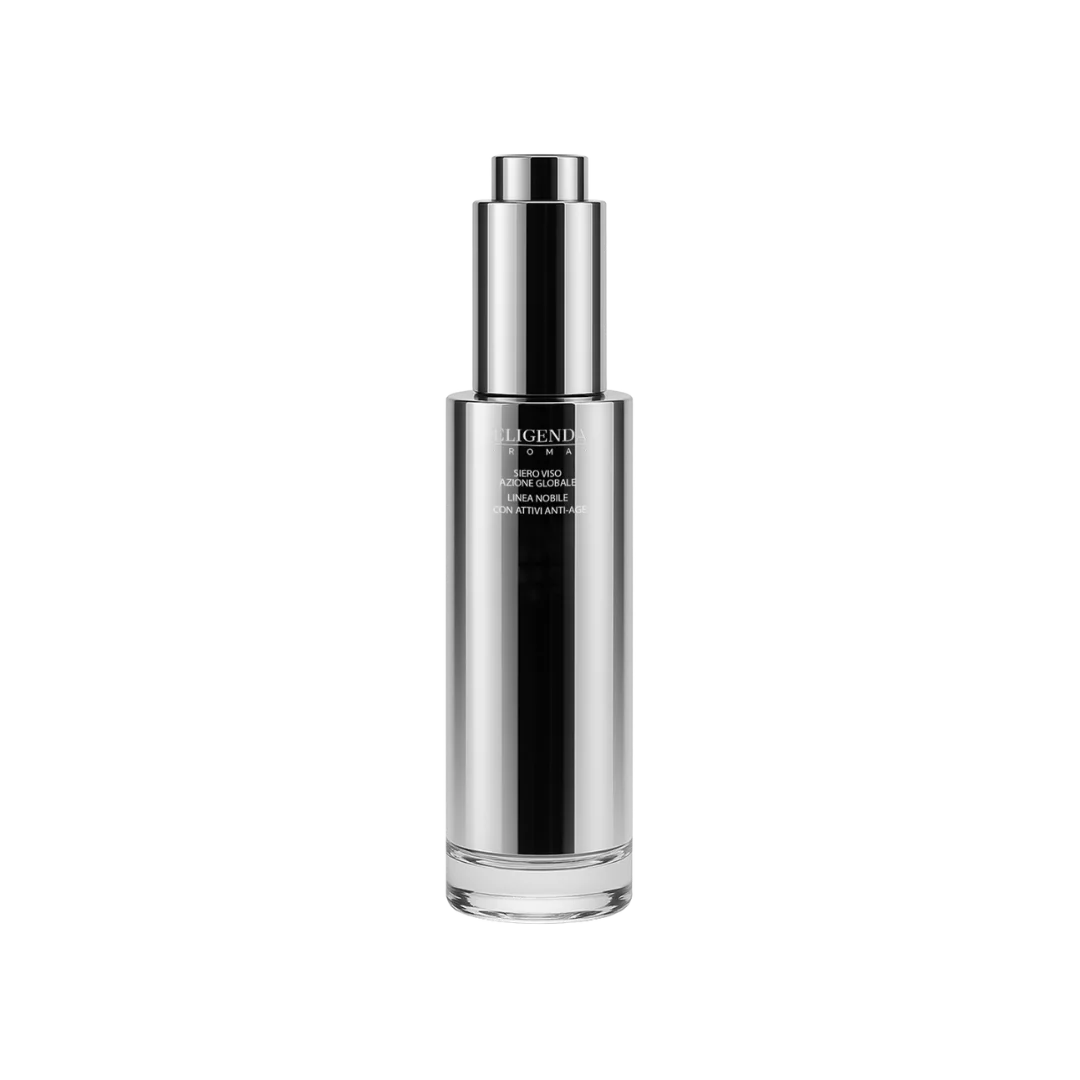
A cleanser that feels comfortable and a cream your skin tolerates well can make your routine easier to follow. Choose a texture according to how dry your skin feels and the needs of different areas of your face.
Global Action Cream contains plant-derived glycerine, sodium hyaluronate, shea butter and plant oils for daily hydration and comfort.
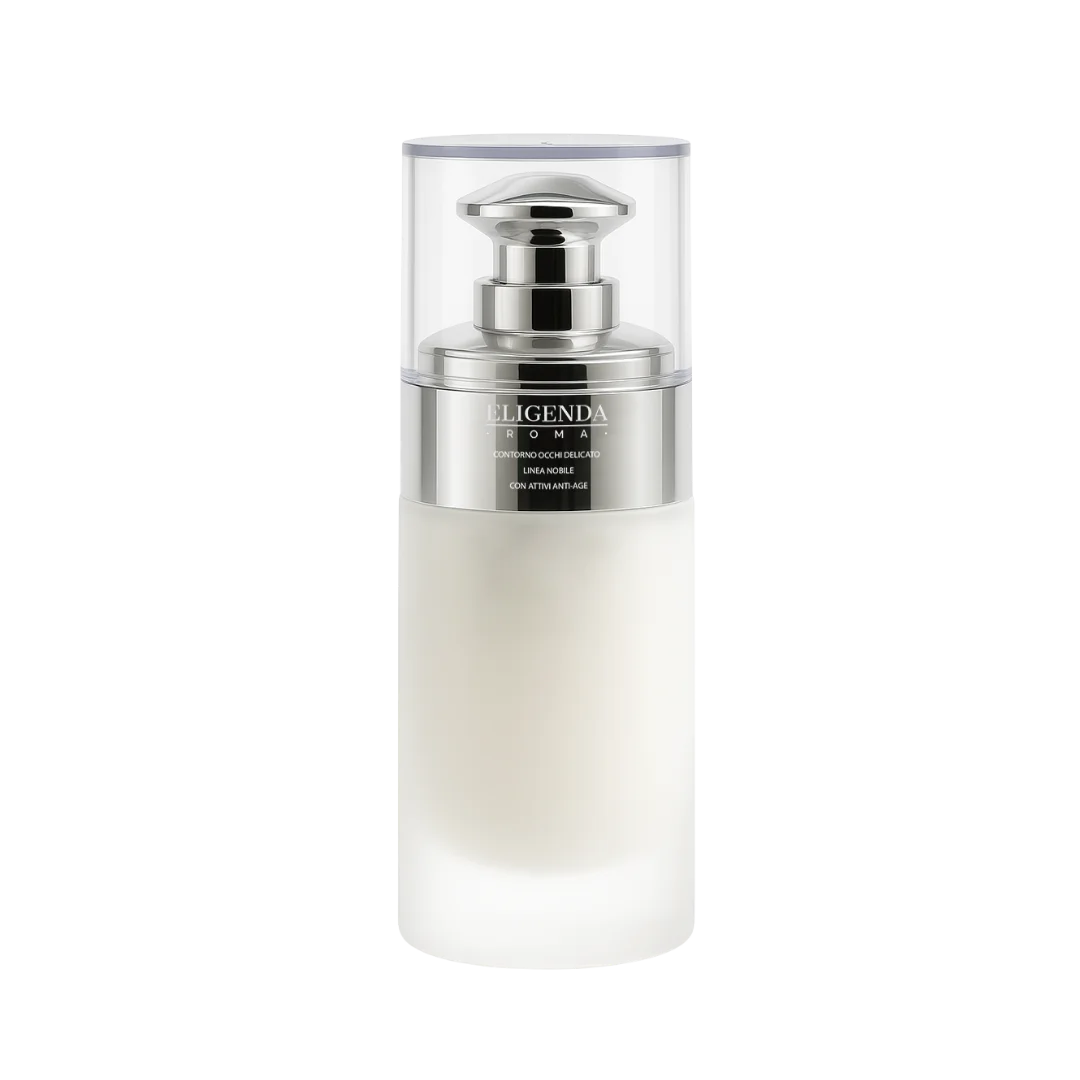
Does toner restore pH?
The word 'toner' does not describe a single composition. Attributing an effect on pH to a product requires data on its formula and use. You cannot infer the result from its name, a fresh sensation or the presence of a plant extract.
Our Rejuvenating Facial Toner completes cleansing, hydrates and softens the skin. It contains chamomile, helichrysum and witch hazel waters. Apply it to the face and neck after the cleansing milk.
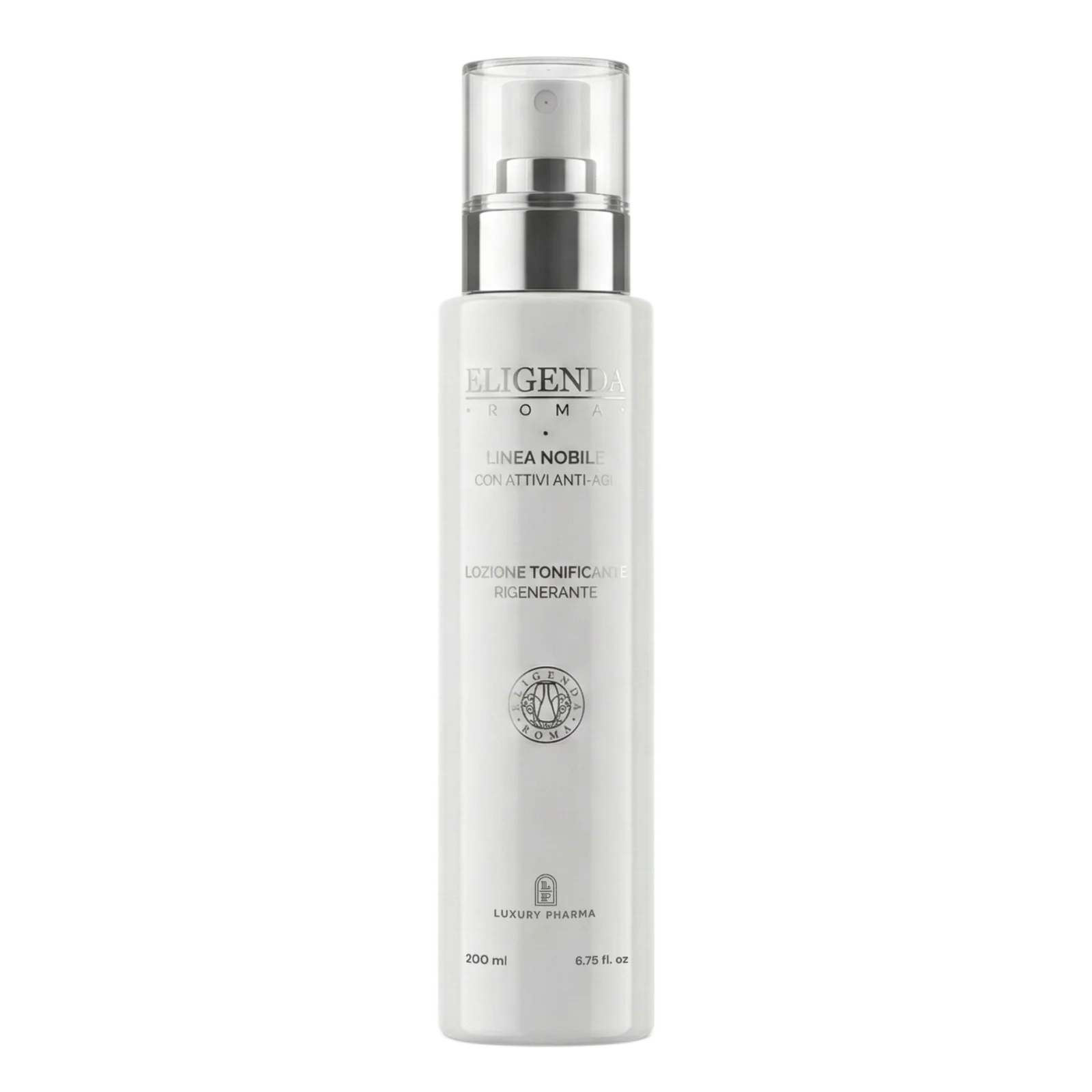
Choose it for these cosmetic benefits. Toner can complement a cleansing routine that suits your skin; it is not a compulsory step to correct the effects of washing.
Lemon, vinegar and bicarbonate of soda on the face
Measuring the pH of a household ingredient does not enable you to formulate a cosmetic. Even when acidity is known, concentration, stability, preservation and tolerability still need to be assessed.
Avoid recipes that claim to 'lower' or 'raise' skin pH using kitchen ingredients. Alternating an acidic product with an alkaline one does not automatically create a balanced treatment. For your face, choose a finished cosmetic designed for that use and supplied with clear instructions.
Frequently asked questions
Is skin pH acidic or neutral?
The adult skin surface is generally slightly acidic. The 4.5–5.5 range is a rough reference; the actual value changes with body area, individual and measurement conditions.
Is a product at pH 5.5 always best?
pH is one aspect of a formulation. Ingredients, intended use and tolerability also matter when choosing a product. The number alone cannot tell you which cleanser or cream is best suited to your skin.
Does tight-feeling skin definitely have an altered pH?
No. Tightness after washing can have various causes and does not reveal a pH value. If it happens often, review your cleansing routine; if it comes with persistent burning, redness or flaking, seek dermatological advice.
How long does it take for skin pH to return to its usual level?
It depends on what the skin has been in contact with and its condition. Studies observe changes and recovery over time, but do not establish a single waiting period for every person or cosmetic.
Can you measure pH at home?
Home tests do not reproduce professional measurement conditions and cannot diagnose a skin problem. If you would like an assessment, ask which instruments will be used and how the result will be interpreted.
What is the pH of Eligenda Roma products?
The value must be checked for each product, without inferring it from the name or ingredients. To choose your routine, consult each treatment's composition, cosmetic function and directions; an analytical pH value requires specific information about the formula.