Dermatologically tested: what it means on cosmetics
By Emanuela Silvi, founder of Eligenda Roma.
‘Dermatologically tested’ means a product has been tested on people under a dermatologist’s supervision. Read the term alongside how the product is presented: the test may concern tolerability or a specific effect on the skin. The claim must be supported by results consistent with the message it conveys.
It is useful information when choosing a cosmetic, alongside composition, purpose and directions. Our Restorative Cleansing Milk is also dermatologically tested: in daily use, it cleanses gently and helps keep skin comfortable.
In this guide
- What is behind the wording?
- Does it only mean someone carried out a test?
- How tests can be conducted
- Dermatologically tested and clinically tested
- Hypoallergenic, nickel tested and other claims
- All cosmetics must meet safety requirements
- Which rules apply to cosmetic claims?
- Using this information when choosing a cream
- If a tested product causes a reaction
- Eligenda Roma treatments
- Frequently asked questions
- Sources and further reading
What is behind the wording?
The European technical document on cosmetic claims specifies that testing involves people and is supervised by a dermatologist. A consumer self-assessment questionnaire alone is therefore insufficient to support the claim. This is best-practice guidance, without independent legally binding force. Technical document on cosmetic claims, Annex II.
The words on the packaging do not, by themselves, describe the number of participants, duration or all the test conditions. Two products may carry the same wording despite having been studied in different ways.
To understand its value, ask what was studied, in whom and with what result. A tolerability test and a hydration measurement, for example, answer different questions.
Does it only mean someone carried out a test?
The wording also conveys a favourable outcome. In Linhart and Biffl, the Court of Justice clarified that consumers associate ‘dermatologically tested’ with positive test results and good skin tolerability. Judgment C-99/01, paragraph 32.
The result remains specific to the group examined and the test conditions. Individual allergies, use and skin condition can affect each person’s response. A precise benefit, such as a measured reduction in visible wrinkles, also requires evidence addressing that particular benefit.
How tests can be conducted
The protocol depends on the cosmetic’s purpose and use. It should consider, for example, whether the product is rinsed off or left on the face. The application area and intended users also matter.
Tolerability tests
A test may observe the skin’s response to contact with a product under controlled conditions. The protocol defines the amount, method, duration and criteria used to assess reactions.
The term patch test is used in different contexts. A contact test used to assess a cosmetic is not automatically the same as the diagnostic patch test a dermatologist prescribes to investigate an allergy.
In-use tests
Participants may apply a product according to a defined schedule, with checks during or after use. The professional’s observations should be distinguished from answers to a satisfaction questionnaire.
A statement such as ‘participants like the texture’ describes a perception. An instrumental hydration measurement concerns a different parameter. Reading which result is reported helps you avoid confusing satisfaction, tolerability and effectiveness.
Dermatologically tested and clinically tested
‘Clinically tested’ refers to the expertise, protocol or conditions involved in testing on people. The European technical document allows supervision by a medically qualified professional or another scientifically qualified professional, following a clinical protocol or in a clinical setting.
To know whether a study concerns wrinkles, tolerability or another effect, read its objective. The words ‘clinically tested’ alone may refer to a very limited result.
‘Dermatologically tested’ highlights dermatological supervision. The two terms may appear together when supported by testing, but they do not represent two levels of quality.
Hypoallergenic, nickel tested and other claims
| Claim | Main information | What to investigate |
|---|---|---|
| Dermatologically tested | Tests on people under dermatological supervision | Objective, participants and results |
| Clinically tested | Tests conducted under clinical conditions or protocols | Which benefit was examined |
| Hypoallergenic | Product designed to minimise allergenic potential | Composition and compatibility with personal allergies |
| Nickel tested | Testing relating to nickel | The stated threshold and manufacturer-specific information |
A reaction remains possible even with a hypoallergenic product. The European technical document dedicates an annex to this claim and requires it to be justified. Anyone with a diagnosed allergy should continue following advice about substances to avoid.
Nickel tested concerns a check for nickel; it provides no information about the tolerability of every other ingredient. Each claim therefore answers a different question, even when several appear on one package.
All cosmetics must meet safety requirements
Regulation (EC) No 1223/2009 sets out requirements for cosmetics placed on the European market. These include a safety assessment and report before marketing, under the responsibility of the product’s responsible person.
Safety requirements also apply to cosmetics without the words ‘dermatologically tested’. That claim does not replace them and does not denote authorisation by a public authority.
The label also serves a practical purpose. Among its mandatory information are the responsible person and their contact address, the ingredients and required precautions. Keeping the packaging can help when asking questions about a product or reporting a reaction.
Which rules apply to cosmetic claims?
Regulation (EU) No 655/2013 sets common criteria for claims: legal compliance, truthfulness, evidential support, honesty, fairness and informed decision-making.
In practice, a claim must match the available evidence. An ingredient experiment’s result does not automatically transfer to every cream containing it. Similarly, a tolerability assessment alone does not demonstrate an anti-wrinkle effect.
The rules also cover online commercial communications. When comparing packaging with its product page, you should find consistent descriptions of the product and its benefits.
Using this information when choosing a cream
Start with what you want the product to do: cleanse, moisturise or complement a specific treatment. Then check whether the directions fit your routine. A rinse-off cosmetic should be used as such, even if it contains moisturising ingredients.
Read the ingredient list, especially if you have a known allergy. Our cosmetic INCI guide explains the names. INCI analysis can help you identify them, while allergy assessment remains a medical matter.
If you have sensitive skin, consider previous reactions and introduce new products gradually. Test information helps you choose, but observing your own response remains important.
You can ask the manufacturer whether testing concerns the finished product, which aspect was studied and what information they can share about the participants.
If a tested product causes a reaction
Stop using the cosmetic and gently remove it if necessary. A reaction alone cannot identify the ingredient responsible. Keep the packaging and note when you applied the product and when discomfort began.
Before introducing a new cosmetic, the American Academy of Dermatology suggests trying it on a small area while following its normal directions. This precaution does not rule out every possible reaction and does not replace allergy testing.
If redness, itching or irritation persists, ask a dermatologist for advice. A significant reaction needs prompt medical help.
Eligenda Roma treatments
The five individual Linea Nobile face treatments carry the dermatologically tested claim. Choose between them according to their role in your routine.
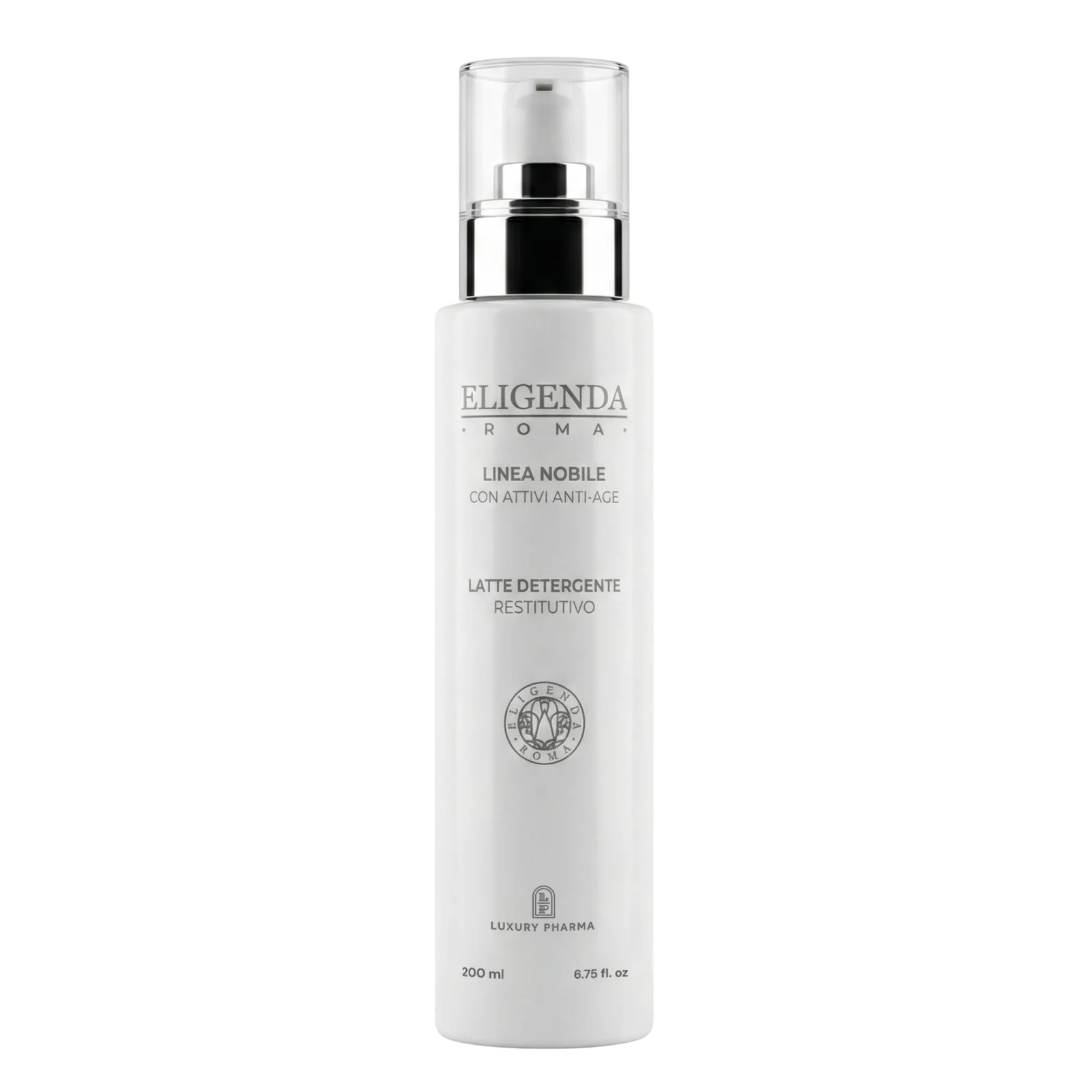
Restorative Cleansing Milk removes make-up and surface build-up with a formula containing aloe, shea butter and plant-derived glycerine. Apply it to the face and neck, massage gently and rinse off.
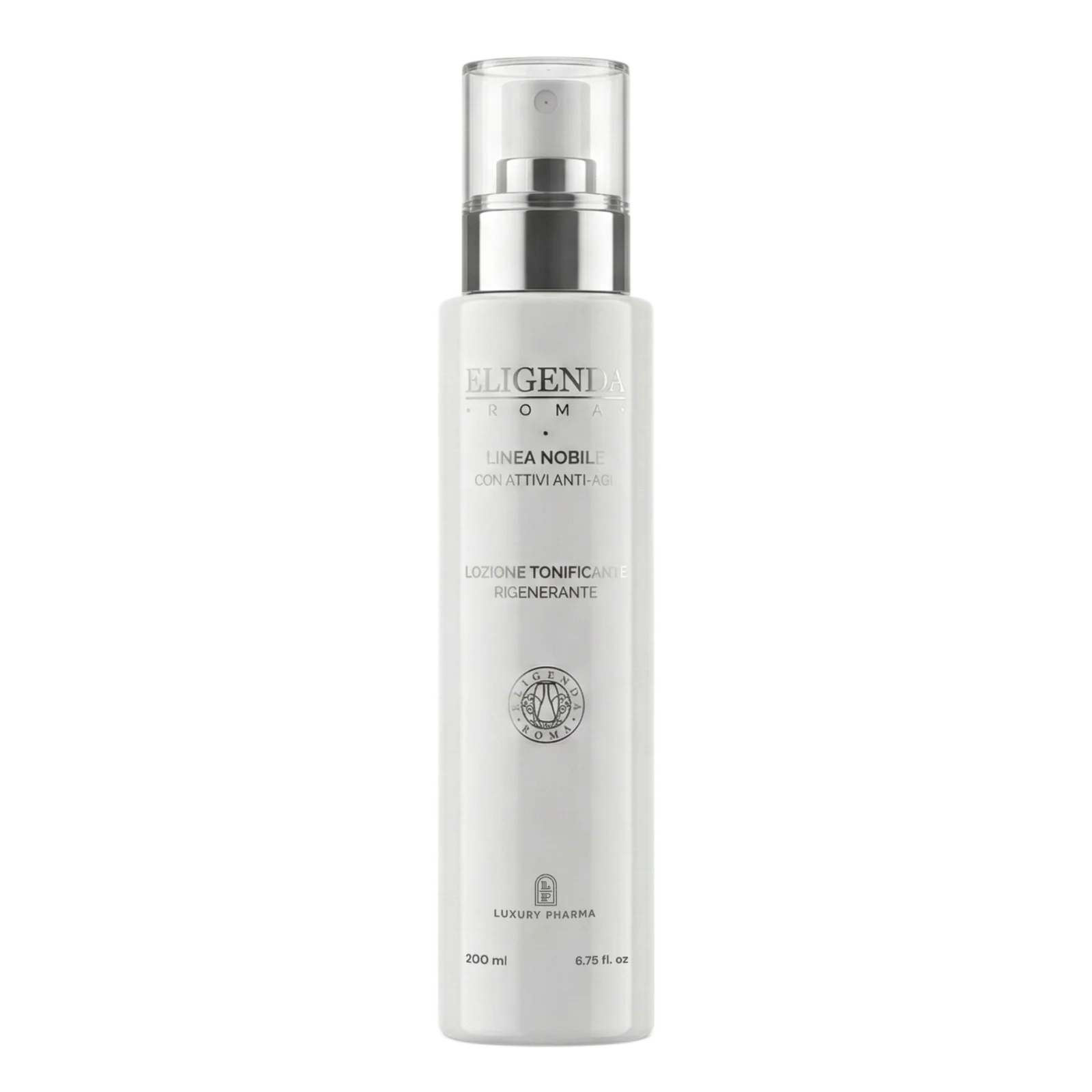
Rejuvenating Facial Toner complements cleansing and helps keep skin soft. It contains chamomile, helichrysum and witch hazel waters, alongside plant-derived glycerine.
Serum, cream and eye cream complete the sequence according to your needs. Our guide to choosing an Eligenda treatment explains each role and helps you find the steps useful for your skin.
Frequently asked questions
Does ‘dermatologically tested’ mean the same as ‘tested dermatologically’?
Yes. Reversing the word order does not change the meaning. What matters is that the claim is supported by tests on people under dermatological supervision, consistent with how the product is presented.
Does it mean the product cannot cause allergies?
No. Individual sensitivities remain possible. People with a known allergy should check ingredients and follow their dermatologist’s advice even when a cosmetic has been tested.
Is it a government-issued certification?
The wording does not denote public authorisation. It is a product claim that must be documented and comply with European rules on cosmetics and commercial communications.
Is a dermatologically tested product also effective?
That depends on which effect was studied. A tolerability test does not demonstrate every advertised benefit; specific claims need relevant evidence.
Must the test be carried out on sensitive skin?
The wording alone does not describe the study population. If a product specifically claims suitability for sensitive skin, that claim also needs adequate support.
Can I rely on a home test?
An initial application to a small area may help you observe a reaction, but it does not certify tolerability or diagnose allergies. If you are unsure or have had significant reactions before, ask a dermatologist for guidance.
Sources and further reading
- Technical document on cosmetic claims, 3 July 2017 version: Annexes II and IV, non-binding guidance.
- Court of Justice of the EU, Case C-99/01, Linhart and Biffl.
- Regulation (EC) No 1223/2009 on cosmetic products.
- Regulation (EU) No 655/2013 on cosmetic claims.
- American Academy of Dermatology: how to try a new product.