
What does PAO mean? Cosmetic expiry dates explained
By Emanuela Silvi, founder of Eligenda Roma. Updated .
PAO means “period after opening”. It is usually shown as an open jar with a number such as 6M or 12M, indicating how many months the cosmetic can be used after opening under the intended conditions. It is different from a printed minimum durability date.
If you find a half-used cream and cannot remember when you opened it, check the label and think back to when you first used it and how you have stored it. A familiar smell is not enough to establish that it is still suitable to use.
This guide explains the symbols used on EU cosmetic labels, including Eligenda’s, and the habits that make them easier to follow. Creams, serums and cleansers do not all last the same number of months, so always check your own container.
In this guide
- PAO and minimum durability date: the difference
- Where to look on the packaging
- When the PAO countdown starts
- How long do face cream, serum and eye cream last?
- Storing cosmetics during use
- A useful habit with Global Action Cream
- Changes that deserve attention
- Cosmetics for travel and unopened spares
- Frequently asked questions about cosmetic expiry dates
- Sources and further reading
PAO and minimum durability date: the difference
PAO: the period after opening, shown by an open-jar symbol and a duration. 12M means twelve months from opening under the intended conditions of use.
Minimum durability date: the date until which a correctly stored cosmetic retains its function and safety. It is preceded by an hourglass symbol or the wording 'Best used before the end of'.
In the European Union, this date is required for cosmetics with a minimum durability of no more than thirty months. For products with a minimum durability of more than thirty months, the date is optional and a PAO is required unless preservation after opening is not relevant, for example for single-use products, products that do not open or those with no risk of deterioration. The rules appear in Article 19 of Regulation (EC) 1223/2009, in the consolidated text; recital 48 of the original text clarifies when PAO is not relevant.
For other packaging elements, including the ingredient list, see the guide to reading INCI.
Where to look on the packaging
Take the container and its box if you have kept it. Check the jar's base, the bottle's back and small print near the barcode. A close-up photograph can help magnify hard-to-read lettering.
First distinguish symbols from codes. A small alphanumeric marking may be the batch number; the open jar indicates the period after opening. If you find a date, read the accompanying wording or symbol too.
Do not assign meaning to an isolated number. '12' can appear in different contexts: the complete label matters. If printing has worn off or part of the packaging is missing, send the brand a photograph of what you can read.
Batch number: identifies the production batch and helps the company trace the product. It does not tell you when you opened it. A website that interprets batch codes cannot reconstruct how you stored that container.
When the PAO countdown starts
Record the date you first open the product. The purchase date may help establish its history, but often differs from the start of use: a gift may remain closed for weeks and a spare for months.
For example, you open a product marked 6M on 10 January. Mark 10 July of the same year on your calendar. The six-month duration is used here only to illustrate the calculation; for Eligenda products, check the value on each individual package.
To avoid uncertainty, write the full date after 'opened on'. A small label on the base works well provided it does not cover the batch number, warnings or other information. You can also photograph the newly opened product and save the image in a dedicated album.
Read the packaging before opening a new purchase. If you open a spare to try its texture and then put it back with unopened products, it is easy to forget that its period of use has already begun.
If you cannot remember when you opened it
Try to establish a realistic timeframe using a trip, a gift or a photograph of your washbag. A receipt documents purchase, not necessarily opening.
If you cannot establish whether the stated period has elapsed, do not assign a new date starting today. You can ask the brand to help interpret the label. The condition of a used container, however, remains difficult to assess without knowing when it was opened and how it was stored.
With your next product, record the opening date immediately: you will still have it months later.
How long do face cream, serum and eye cream last?
There is no reliable number of months for an entire category. A table assigning the same lifespan to every face cream ignores the formula, container and conditions under which the product was assessed.
European guidelines on the safety report connect durability and PAO to stability and microbiological quality data. They also consider the packaging intended for sale. This explains why similar-looking cosmetics may carry different instructions.
For your routine, complete a personal table using the packaging:
| Product | First opened | Label information | Reminder |
|---|---|---|---|
| Face cream | Write the actual date | Copy the stated PAO or date | Calculate the relevant end date |
| Serum | Write the actual date | Check this bottle | Do not copy the cream's value |
| Eye cream | Write the actual date | Check the box too | Keep a photograph of the batch number |
| Cleanser | Write the actual date | Read the full instructions | Check again when starting a new container |
Record opening dates on small sizes too: they may take longer to finish than expected. To decide how many treatments to keep open, our skincare order guide may help.
Storing cosmetics during use
Follow the manufacturer's storage conditions and close the container after application. Avoid leaving products in sunlight, near heat or in a parked car. Heat, humidity and temperature changes can contribute to deterioration, as explained in the FDA guide to cosmetic shelf life.
Keep the products you are using separate from unopened spares. It is easier to keep track of opening dates when you do not have several similar jars on the go.
Hands, applicators and containers
Wash your hands before application and keep containers and applicators clean. Do not add water to thin a thickened product: it can introduce microorganisms and dilute the preservative system. These precautions are also noted in the FDA guidance on the microbiological safety of cosmetics.
Keep the lid and applicator on a clean surface while you use the product, and close the container afterwards.
Does refrigeration extend shelf life?
Do not give a product extra months because it is refrigerated. The stated duration applies to the conditions intended for that formula. If the packaging does not require cold storage, ask the brand before changing storage conditions.
Refrigeration cannot undo poor storage or restart a product’s period after opening. Keep following the label, even if you use a cosmetics fridge.
A useful habit with Global Action Cream
Use the spatula supplied with our Global Action Cream to take a small amount from the jar. Apply with light strokes to your face, neck and décolletage, morning and evening.
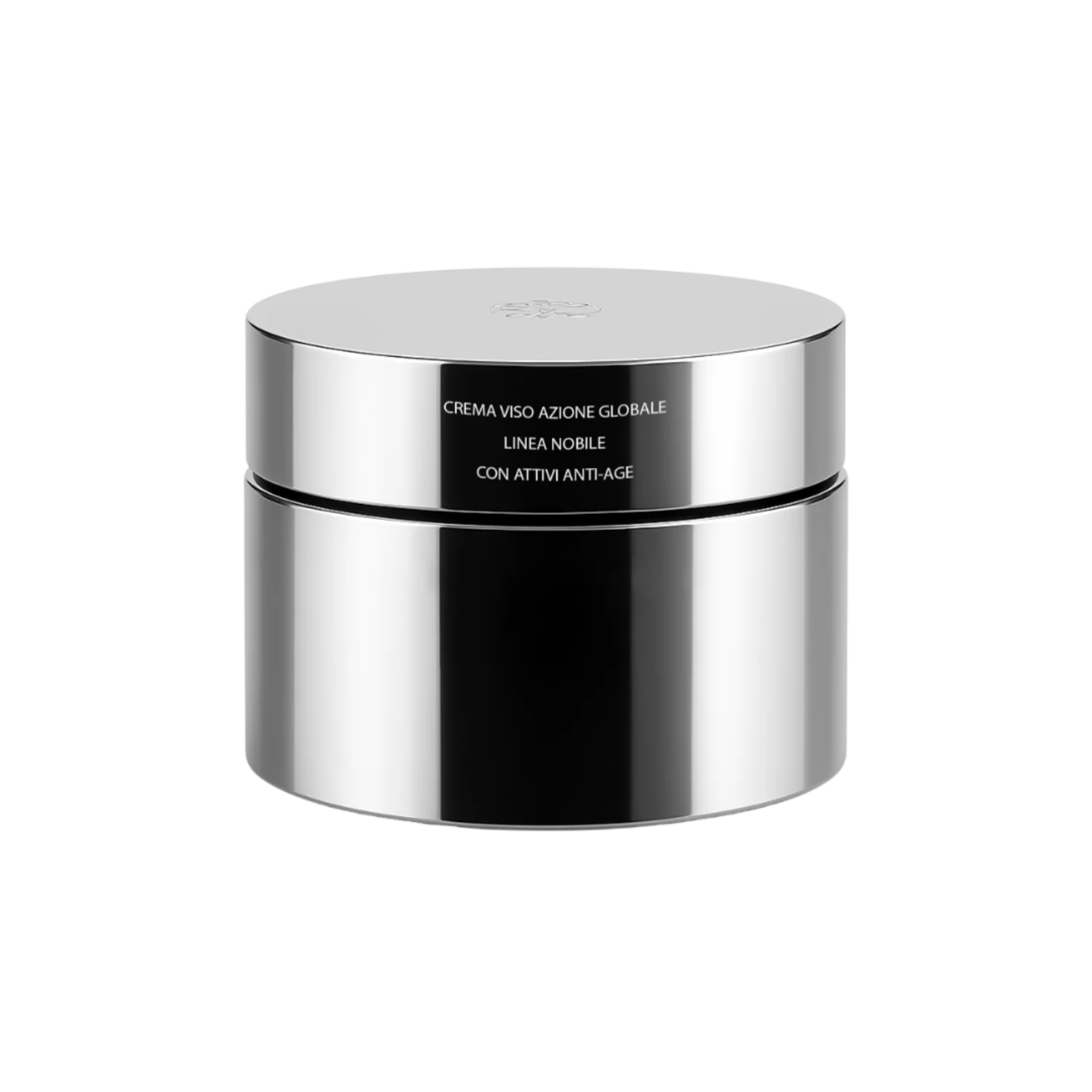
Put away the spatula clean and dry, and close the jar after use. Record the opening date and check the instructions on the package you are using: always use the value shown on that jar or its box.
Photograph the label when you first open a new jar. It gives you a useful record if the small print wears off later.
Changes that deserve attention
An unusual smell, a marked colour change or a different consistency deserves checking. Emulsions may separate, and products may dry out or change appearance over time, as the FDA describes in the guide cited above.
Stop using the product and contact the brand, particularly if the change is sudden or was not anticipated in the instructions. Photograph the product and batch number. Do not try to correct the texture by mixing water, oils or other creams into the container.
A normal smell, however, does not confirm that the cosmetic remains usable. Appearance and fragrance do not reveal every possible change: consider the stated duration and how you have stored it too.
If application causes a reaction, stop using it. For persistent or significant symptoms, seek healthcare advice; keep the product information so you can describe exactly what you used.
Cosmetics for travel and unopened spares
Before travelling, check products already in your washbag. It is easy to remember how much remains and forget how long they have been open.
For each product you take, check four things: a readable name, a recorded opening date, available instructions and an intact closure. The travel skincare guide can help you choose essentials without duplicating your whole routine.
Keep the original packaging whenever possible. An unlabelled container makes the formula, batch and directions harder to remember. Decanting does not restart the clock: record at least the name and original opening date, and follow the brand's advice on container suitability.
With spares, keep it simple: open the next container only when you need it. If you have two products for the same purpose, decide which to include in your routine before starting both. This helps avoid several half-used jars with no clear idea of which to check first.
Frequently asked questions about cosmetic expiry dates
What does 12M on an open jar mean?
It indicates twelve months from first opening, under the conditions intended for that product. Record the date when you start using it so the symbol becomes a practical reminder.
Can an unopened cream expire?
Yes, unopened packaging does not give unlimited shelf life. Read any date and consider storage. If it is a long-forgotten spare and you cannot interpret the information, ask the brand, providing photographs and the batch number.
Does the batch code tell you when a cosmetic expires?
Not on its own. It identifies the production batch. An online code interpretation does not know when you first opened it, whether the container is intact or how it was stored.
If the PAO has passed but the cream looks normal, can I continue?
A normal appearance is not enough to confirm safety. Follow the stated duration and do not extend it based on smell or texture. Trying it on your skin cannot certify that a product remains usable.
Should I refrigerate cosmetics?
Follow the specific instructions. Cold storage does not justify extending the stated period or resolve a storage problem that has already occurred. If unsure, ask the brand before moving the product into a fridge.
Why can I not see a PAO symbol on some products?
Check the box, base and back of the packaging too. Sometimes there is a date; in other cases, PAO is not relevant, such as for a single-use product. An absent symbol does not mean the product lasts forever.
Do cosmetics with natural ingredients have a shorter shelf life?
Durability is assessed for the complete product, including its formula and packaging. An ingredient's origin alone cannot determine the appropriate number of months. Read the specific value rather than replacing it with general rules about natural cosmetics.
How can I remember all the dates without an app?
Write 'opened on' on each container's base without covering original information. Keep a sheet with names, opening dates and end dates calculated from PAO, or set a calendar reminder. A label photograph helps if the print wears away.
Sources and further reading
- Regulation (EC) 1223/2009, consolidated text as of 18 May 2026, Article 19 and Annex VII: minimum durability, PAO, batch numbers and symbols.
- Regulation (EC) 1223/2009, original text, recital 48: examples of products for which preservation after opening is not relevant.
- Decision 2013/674/EU, guidelines on the cosmetic product safety report: stability, packaging and microbiological quality.
- FDA, Shelf Life and Expiration Dating of Cosmetics: factors affecting storage. Practical storage guidance; for European labelling rules, the Regulation cited above remains the reference.
- FDA, Microbiological Safety and Cosmetics: hygiene of hands, applicators and containers.