

A facial routine for dry skin: morning and evening steps
By Emanuela Silvi, founder of Eligenda Roma.
A routine for dry skin starts with three needs: gentle cleansing, maintaining hydration and protecting skin from the sun. Serum and toner can complement it when they are enjoyable and well tolerated; choose the number of products according to what your face actually needs.
For hydration and comfort, our Global Action Cream combines plant-derived glycerine, sodium hyaluronate, shea butter and plant oils. To find the right balance, also consider how you wash your face and how your skin feels in the hours afterwards.
In this guide
- Recognising the needs of dry skin
- Dry and dehydrated skin: a useful distinction
- Which ingredients to look for in a moisturising formula
- The morning routine
- The evening routine
- Adapting it for winter, summer and travel
- Mistakes that make a routine less comfortable
- When to seek a dermatologist’s advice
- Frequently asked questions
- Sources and further reading
Recognising the needs of dry skin
Tightness after washing, a rough surface, small flakes and discomfort in cold weather are common signs. Make-up may also highlight uneven patches, especially on the cheeks or around the mouth.
Dryness may be a regular feature or develop during a particular period, influenced by the environment, age, habits and skin conditions. Alongside sebum production, water in the surface layer and the barrier’s ability to retain it also matter.
When everyday adjustments are not enough, the American Academy of Dermatology recommends a dermatological assessment. Persistent flaking and itching deserve attention before simply switching to a richer cream.
Dry and dehydrated skin: a useful distinction
In cosmetic language, ‘dry skin’ often describes a tendency towards a lack of lipids, while ‘dehydrated skin’ refers to reduced water in the surface layers. These are broad descriptions, and the two situations can overlap.
Even a shiny face can have areas that feel tight. If your forehead is oily and your cheeks rough, cleansing the entire face more intensively risks making the already dry areas less comfortable. Instead, you can adjust the amount of cream for each area.
| What you notice | How to adjust the routine |
|---|---|
| Tightness across the face after every wash | Review your cleanser and water temperature, and avoid rubbing |
| Dry cheeks and a shiny T-zone | Adjust product amounts by area without stripping the entire face |
| Dryness that began with a new routine | Introduce fewer new products and check tolerance |
| Persistent itching, redness or flaking | Seek a dermatological assessment |
Sensitive skin also needs attention to reactivity. Dryness and sensitivity can coexist, but they are not the same.
Which ingredients to look for in a moisturising formula
A cream can combine ingredients with complementary roles. Knowing these three groups helps you understand what to look for within a single product.
Humectants, including glycerine and hyaluronic acid, help retain water. Emollients, such as various oils and butters, improve surface softness and glide. Components that limit evaporation help keep water in the surface layers.
A controlled study of an emollient cream distinguished glycerol’s hydrating contribution from the effect of the occlusive component on water loss. It illustrates how different ingredients can complement one another. The results concern the preparation studied, not Eligenda products. Original study.
A rich texture may feel pleasant on dry skin. Rather than judging by thickness, let ease of application and comfort in the hours afterwards guide you.
The morning routine
1. Brief, gentle cleansing
On waking, choose a cleansing step that suits how your skin feels. Keep it brief and gentle: repeatedly washing until your face feels completely oil-free can leave it uncomfortable. If even a short wash causes discomfort, discuss the product and frequency with a dermatologist.
Restorative Cleansing Milk contains aloe, shea butter, apricot butter, glycerine and plant oils. Apply it to the face and neck with your fingertips or a cotton pad, massage gently and rinse off with water.
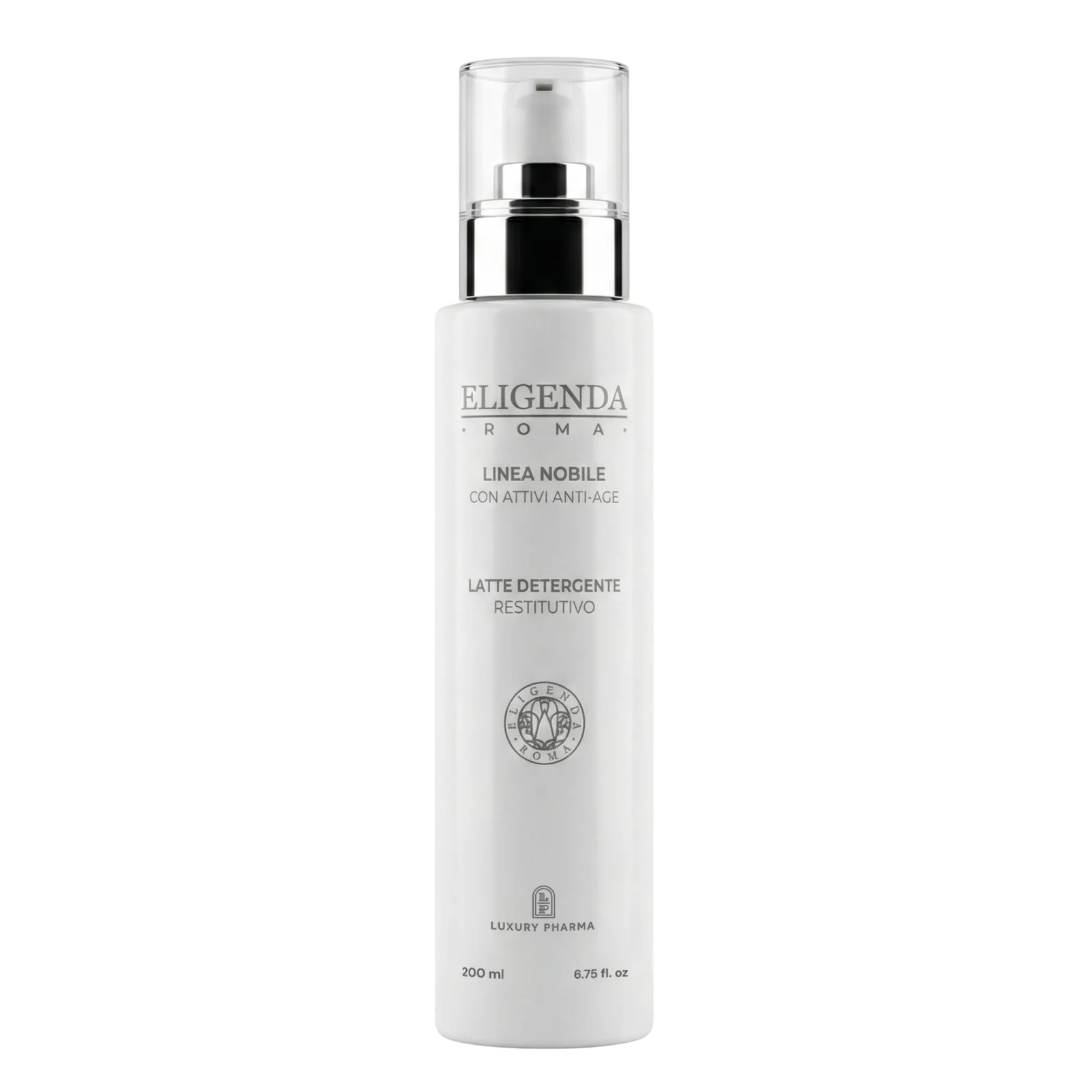
Use lukewarm water and pat dry. Toner has a different role from cleanser and should not automatically replace it.
2. Toner and serum, according to your needs
Rejuvenating Facial Toner complements cleansing, hydrates and softens. It contains chamomile, helichrysum and witch hazel waters. Apply it to the face and neck with a cotton pad, avoiding repeated rubbing.
Global Action Serum combines plant-derived glycerine, sodium hyaluronate in three molecular weights and plant extracts. In the Eligenda sequence, apply a few drops after the milk and toner, using light strokes over the face, neck and décolletage.
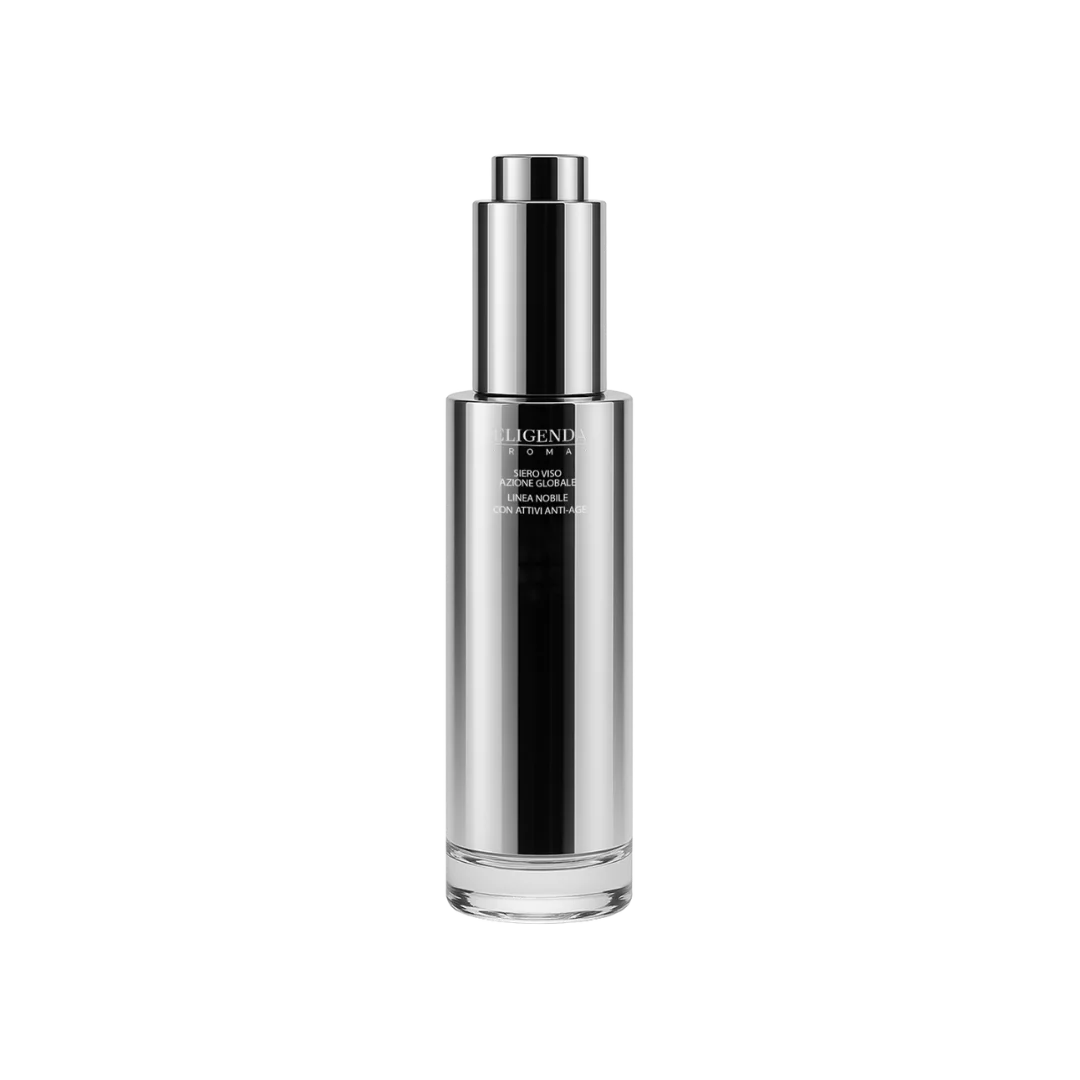
Follow the directions without feeling you need to keep your face wet between steps. If you are building your first routine, add one product at a time to see how it suits you.
3. Moisturising cream
Use an amount that leaves your skin comfortable without needing prolonged massage. Your cheeks may need more than your forehead and nose: often, adjusting the amount is enough without changing the product.
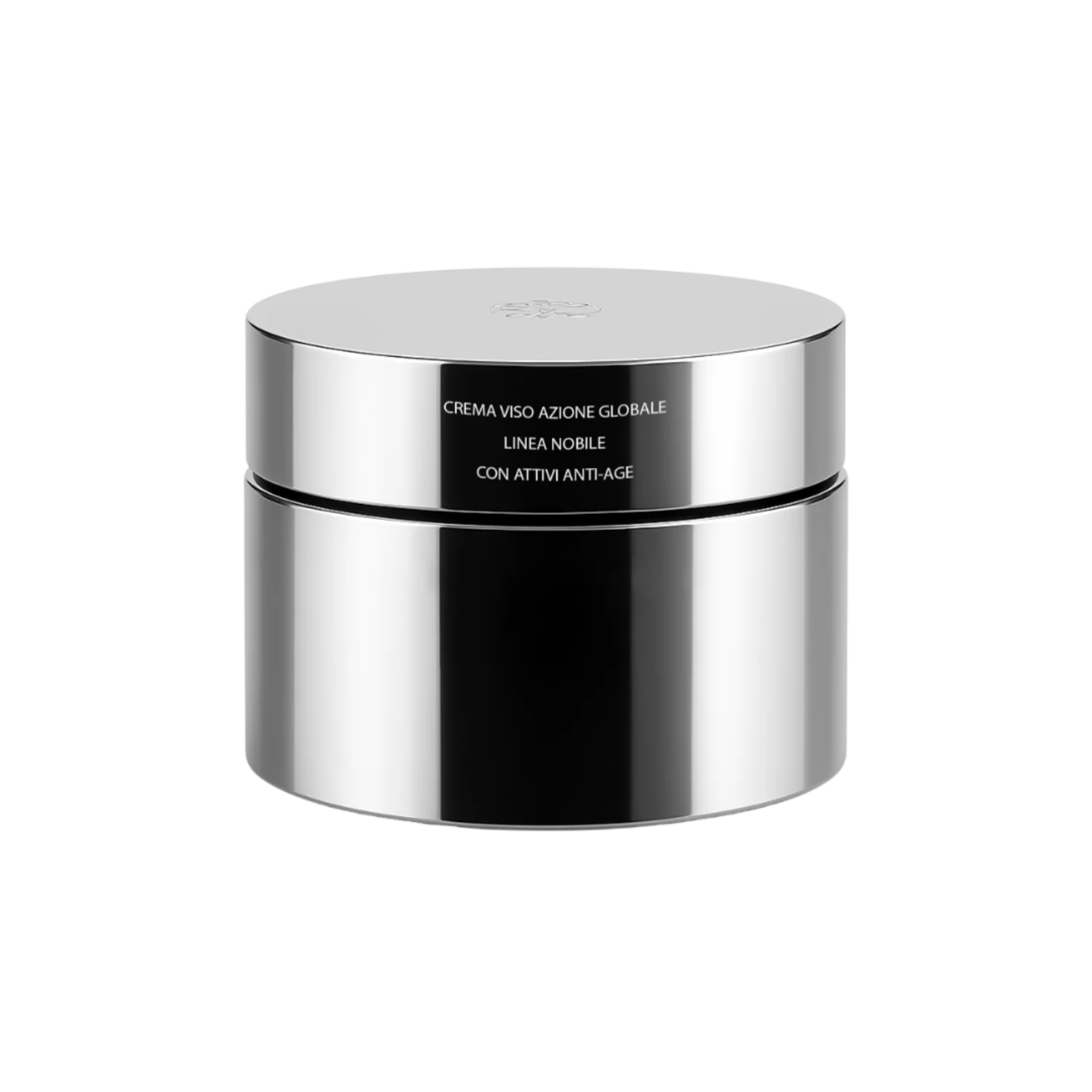
Apply Global Action Cream morning and evening to the face, neck and décolletage, after your chosen steps in the range. Take the product from the jar with the supplied spatula and spread it with light strokes.
For dry skin, the American Academy of Dermatology suggests applying moisturiser after washing while a little moisture remains. Adapt this to the product’s instructions and your skin’s response.
4. Sun protection
Before outdoor exposure, finish your routine with a broad-spectrum sunscreen of SPF 30 or higher, used as directed. Protection also includes shade and suitable clothing.
A moisturising cream without a stated SPF does not serve as sunscreen. If you wear make-up, let products settle without building up amounts that make application difficult; still use the recommended sunscreen quantity.
The evening routine
Evening cleansing needs to remove what you applied during the day. Long-wearing make-up or certain sunscreens may need a dedicated remover; check that your chosen method works without leaving the skin irritated.
To decide whether to double cleanse, consider the residue you need to remove and comfort after washing, rather than the SPF number alone. If one cleanser cleans your face adequately and is well tolerated, you can stop there.
After cleansing, you can continue with toner, an optional serum and cream in your chosen sequence. If using eye cream, apply a small amount to the indicated area. The evening does not automatically require a different formula from the morning: your skin’s needs and the product instructions matter.
Our guide to skincare order brings the steps together and explains how to fit them in. Start with a sequence you can maintain even on busy days.
Adapting it for winter, summer and travel
When the climate or your habits change, first notice which areas become less comfortable. When travelling, it may help to bring familiar products and leave experimentation for later, especially if your skin tends to react.
Tightness and roughness can increase in winter. Before layering more treatments, check whether hot showers and long washes are making things worse. A slightly different amount of cream or an extra application, where permitted and tolerated, may be simpler than a completely new routine.
In summer, a texture that felt pleasant in colder months may seem heavy. Lighten your routine according to your needs while keeping sun protection. Skin that sweats or looks shiny can still have dry areas that need the same care.
Mistakes that make a routine less comfortable
Rubbing to remove flakes. An uneven surface can tempt you to use scrubs and brushes. If it is also red or sore, avoid friction and ask a dermatologist to assess the cause.
Always using more cleanser. Your face does not need to feel tight to be clean. If you feel you must immediately apply a lot of product to compensate for washing, review the first step.
Adding a product for every discomfort. Changing several cosmetics together makes it hard to identify which causes a reaction. Introduce them gradually and stop using the new one if irritation develops.
Treating toner as essential to undo the effects of cleansing. A toner may be pleasant and hydrating. Your cleanser should still be well tolerated before you apply it.
Persisting with a cream that burns. Persistent discomfort deserves attention. A rich, natural or tested product is not guaranteed to suit everyone.
When to seek a dermatologist’s advice
If dryness persists, appears suddenly or comes with significant itching, redness, cracks or pain, consult a dermatologist. Continually changing cosmetics in these cases can delay finding the cause.
Bring a list of the products you use and explain when symptoms began. The routine described here concerns everyday cosmetic care; a skin condition may need different guidance.
Frequently asked questions
What is the minimum routine for dry skin?
Gentle cleansing, a well-tolerated moisturiser and sun protection for daytime exposure. Add toner or serum if they suit your needs and you enjoy using them.
Do serum and cream always need to be used together?
That depends on the products and your skin. A serum can complement the routine, while a cream often combines several moisturising functions. You do not need to add a serum simply to reach a set number of steps.
Can I use oil instead of cream?
A water-free oil provides emollient components but no water. A cream can combine a water phase, humectants and lipids, so it may meet more of dry skin’s needs than oil alone.
Should cream be applied to damp skin?
Applying it after washing, while the skin is slightly damp, can help retain water at the surface. Skin should not be dripping wet, and the formula’s instructions remain the reference.
Can dry skin have spots?
Yes, dryness and blemishes can coexist. Persistent spots or painful lesions need assessment; adding harsh washing does not automatically solve the problem.
How long does it take to tell whether a routine suits you?
First observe comfort after application and throughout the day. There is no timescale that applies to everyone. If discomfort increases or your skin remains irritated, ask for advice rather than waiting weeks.