
Blemish-prone skin: what it means, why blemishes form and the limits of cosmetics
By Emanuela Silvi, founder of Eligenda Roma.
'Blemish-prone skin' is a cosmetic expression, not a diagnosis. It may refer to shine, visible pores, uneven texture and blackheads. These signs can overlap with acne, which also includes comedones without inflamed spots. A routine helps cleanse the skin and keep it comfortable; when lesions persist, worsen or leave marks, professional assessment is needed.
In this guide
What does 'blemish-prone skin' mean?
The term has no clinical definition. It describes signs that appear together and concern skin texture more than skin type.
- More visible pores: these are most noticeable where sebaceous glands are more numerous, in the centre of the face.
- Scattered blackheads: small blocked follicles whose exposed surface has darkened in contact with air.
- Uneven texture: the surface reflects light unevenly and feels less smooth to the touch.
- Recurring shine: the face looks matt after cleansing, then becomes shiny again in certain areas within a few hours.
None of these signs alone defines a skin type. To help identify yours, the facial skin analysis guide brings together observations you can make on a clean face.
Blemish-prone skin and acne are not the same thing
'Blemish-prone skin' describes an appearance, while acne is a clinical term. The expressions are not interchangeable, although they may concern the same signs.
As the NHS acne guide explains, blackheads and whiteheads are also possible acne lesions. You do not need to wait for pain, pustules or nodules before seeking advice.
A cosmetic routine can support skin care. If comedones are numerous or persistent, or you develop painful lesions, scarring or distress, a doctor can assess the situation. Eligenda products are not acne treatments.
Why blemishes form
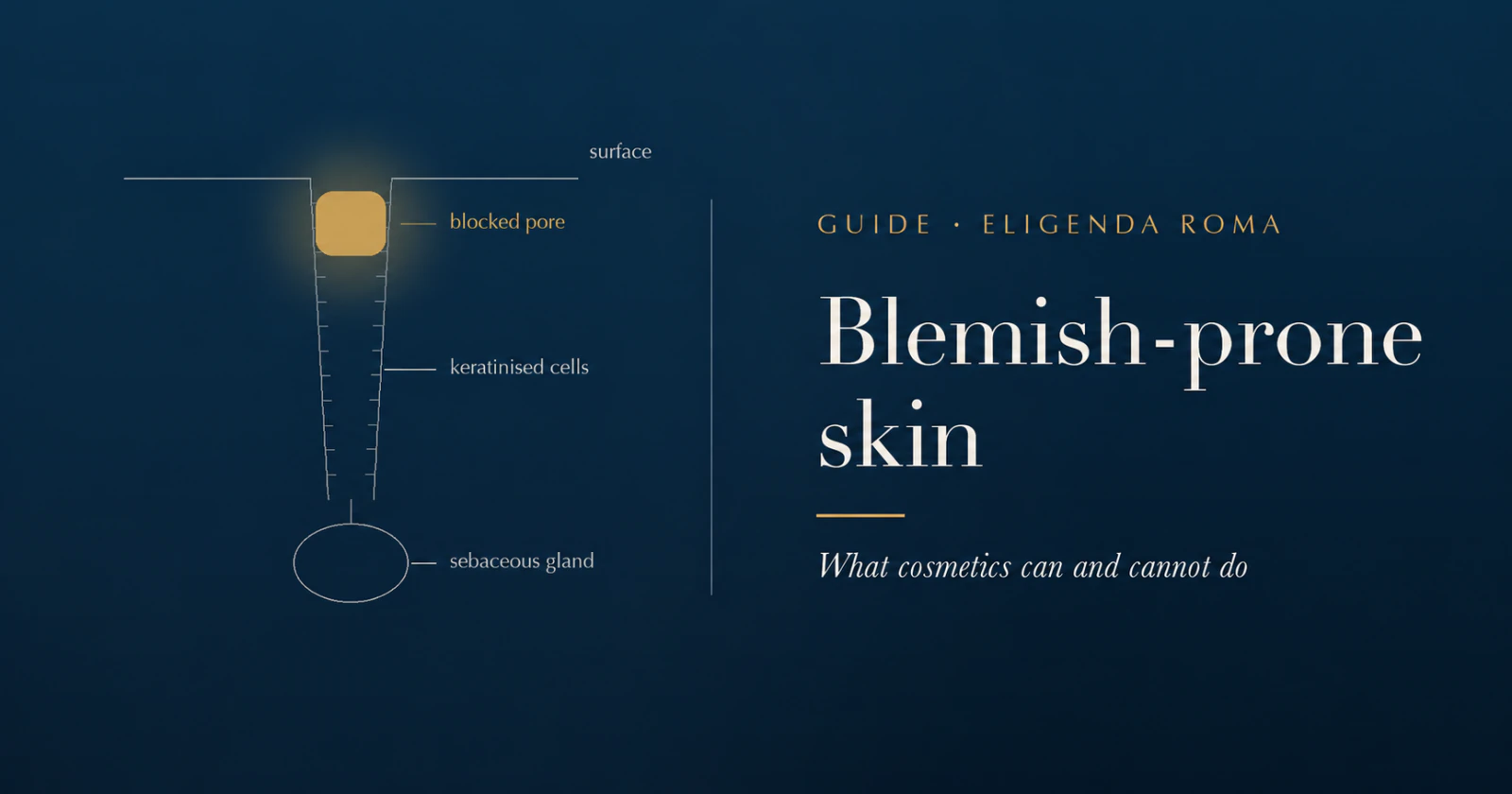
A comedone forms when sebum and cells from the follicle lining contribute to a blockage. This differs from a simple build-up of dirt: washing more vigorously is not enough to resolve it. The NHS describes the main causes of acne and distinguishes the role of sebum from other factors.
Cell turnover helps explain surface renewal, but does not account for every comedone on its own. The facial cleansing guide explains how to remove residue without scrubbing.
Shine and blemishes do not always go together. If your skin feels tight after washing, be gentler or reconsider your cleanser. For the relationship between cleansing products and skin balance, read the skin pH guide.
Make-up and residue: an often overlooked factor
In the evening, remove make-up and residue from the surface with a cleanser suited to the products you use. Some formulas may encourage blemishes in people prone to them; this does not mean make-up or sunscreen should be avoided.
For acne-prone skin, the American Academy of Dermatology suggests looking for products labelled non-comedogenic and removing make-up before bed. You still need to check how your own skin responds.
Pay attention to the hairline and sides of the nose without repeated rubbing. The guide to using cleansing milk covers application and rinsing.
How long does it take to see a change?
There is no fixed period after which a cosmetic routine should clear blemishes. You can judge how comfortable your skin feels straight after washing; persistent comedones need closer attention and, where necessary, treatment advice from a doctor.
Introduce one new product at a time. Photographs taken in the same light can help describe a change, without becoming a diagnosis. If a product irritates your skin, do not keep using it simply to complete a supposed renewal cycle.
Heat, cold and sweating can change your skin's needs. Adapt your routine to how it feels, avoiding repeated washing in pursuit of a constantly matt face.
What a cosmetic can and cannot do
Cleansers remove surface sebum, make-up and residue; moisturisers help keep skin comfortable. That does not make them acne treatments.
Effects depend on the product. Some exfoliating formulas may help with comedones, but not everyone tolerates them, and adding them indiscriminately is unhelpful. We do not claim this effect for Eligenda products without specific evidence.
Targeted topical treatments are available for acne. A doctor can help distinguish them from products that play a supporting role in your routine.
The Eligenda Roma routine for blemish-prone skin
The Linea Nobile leaflets place Restorative Cleansing Milk and Rejuvenating Facial Toner at the start of the routine. Their role is cosmetic: cleansing and supporting everyday skincare. They are not treatments for blackheads or acne.
Restorative Cleansing Milk, 200 ml
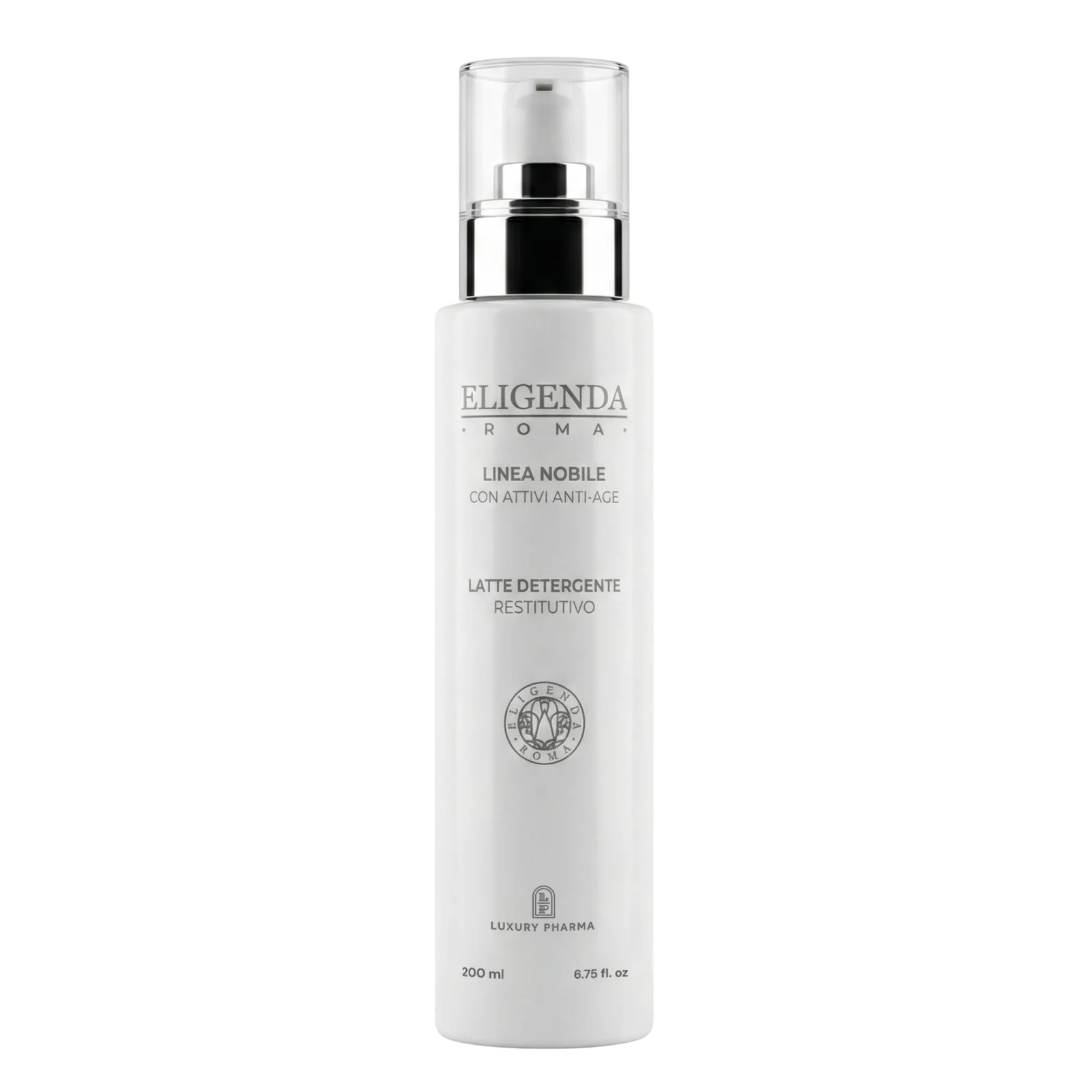
The Restorative Cleansing Milk leaflet describes a cleansing emulsion to apply gently and rinse off. Make-up removal should also be assessed according to the type of make-up used.
Sage is among the formula's extracts. The properties described for this ingredient do not prove that the finished milk disinfects the skin, normalises sebum or treats acne.
Rejuvenating Facial Toner, 200 ml
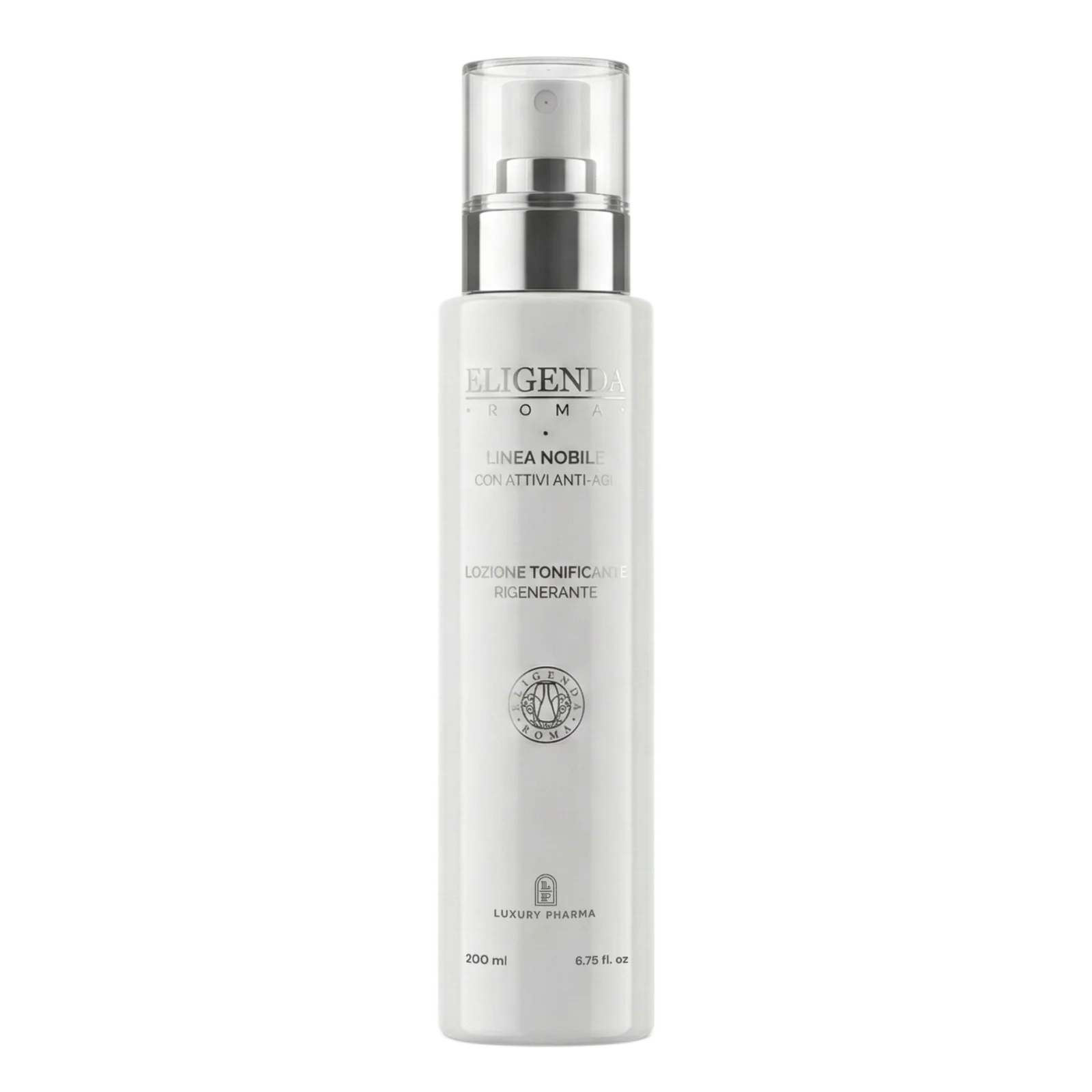
The leaflet directs you to use Rejuvenating Facial Toner after the cleansing milk. Glycerine and cucumber extract are among the ingredients described.
Consider this optional step if it feels comfortable on your skin; it does not guarantee that comedones will clear or stay away. Plant extracts can also cause reactions. If your skin stings or feels tight, reconsider the product.
The rest of the sequence
The leaflets give the sequence of cleansing milk, toner, serum and cream. Global Action Serum comes before Global Action Cream; adjust quantities and the number of steps to your skin's needs. The documentation consulted does not quantify an additional benefit from the combination for blemish-prone skin.
Mistakes that leave blemishes unresolved
- Washing repeatedly: this can irritate the skin without addressing the cause of comedones.
- Squeezing blackheads and spots: this increases the risk of inflammation, dark marks and scarring.
- Introducing many products together: this makes it difficult to identify what your skin tolerates.
- Skipping moisturiser despite tightness: look for a comfortable texture instead.
- Delaying an assessment: persistent, numerous or painful lesions warrant medical advice, even without nodules.
For daily care when you have acne, consult the American Academy of Dermatology's advice.
At a glance
The expression ‘blemish-prone skin’ can include signs of acne, such as comedones. Gentle cleansing and products your skin tolerates well support daily care, but cannot guarantee that lesions will disappear. Eligenda milk and toner serve the cosmetic purposes described in their leaflets. If blemishes persist or leave marks, seek professional advice about the cause.
Frequently asked questions
What does it mean to have blemish-prone skin?
It is a cosmetic expression describing shine, visible pores, uneven texture and blackheads. It is not a diagnosis and does not, by itself, identify a skin type.
Is blemish-prone skin the same as acne?
The terms are not equivalent, but can overlap. Blackheads and whiteheads can also be manifestations of acne, without inflamed lesions. Numerous or persistent comedones warrant assessment.
Why do facial blemishes form?
Comedones form when sebum and cells from the follicle lining contribute to a blockage. They are not simply dirt to be removed by washing more vigorously.
Can you have blemish-prone skin without oily skin?
Yes. Shine, hydration and comedones do not always go together. Choose your routine according to your skin's needs, not just the amount of visible sebum.
Does washing your face more often help with blemishes?
Excessive washing can irritate the skin. Generally, cleanse gently up to twice a day and after heavy sweating.
What can a cosmetic do for blemish-prone skin?
Cleansers remove surface residue; moisturisers help maintain comfort. Other effects depend on the formulation; not every cosmetic treats comedones, and Eligenda products do not replace acne treatment.
Which Eligenda Roma products can fit into a routine for blemish-prone skin?
The leaflets describe Restorative Cleansing Milk and Rejuvenating Facial Toner as products for cleansing and the step that follows. These cosmetic uses do not establish an antiseptic effect, reduced sebum production or an improvement in acne.
Should you squeeze blackheads?
It is best avoided: squeezing can increase inflammation, dark marks and scarring. If blackheads are numerous or persistent, seek professional advice.