
How to use cleansing milk: application, rinsing and next steps
By Emanuela Silvi, founder of Eligenda Roma. Updated .
Apply cleansing milk, massage gently and remove it as directed on the packaging. Some formulas are designed to be rinsed off; others use a different removal method. The creamy texture alone does not tell you which.
With our Restorative Cleansing Milk, use your fingertips or a cotton pad to apply it to your face and neck. Massage gently, then rinse with water. You do not need to leave it on to absorb.
The steps below cover hands versus cotton pads, rinsing and what to apply afterwards, with a few practical checks if your skin feels greasy or tight.
In this guide
- What cleansing milk is and what it removes
- How to use cleansing milk: the steps
- Should you always rinse off cleansing milk?
- Should you apply it to dry or wet skin?
- How much should you use and how long should you massage?
- Hands or a cotton pad?
- Cleansing milk, micellar water and toner: the differences
- When to use it: morning, evening and after make-up
- What does it mean if skin feels greasy or tight?
- Restorative Cleansing Milk in the Eligenda routine
- Frequently asked questions
- Sources and further reading
What cleansing milk is and what it removes
Cleansing milk is a fluid emulsion designed to clean the skin. Its texture resembles a light cream and spreads with a brief massage. Its ability to remove impurities and different types of make-up depends on the formula.
The word 'milk' mainly describes the cosmetic's appearance and texture. It does not indicate a single recipe: two cleansing milks may differ in ingredients, fragrance, make-up-removing ability and instructions.
Cleansing without much foam can still be effective. To assess the result, check whether make-up has been removed and how your skin feels after rinsing. Tightness is not a requirement for clean skin.
To compare milk with other cleansers and understand when two steps may be useful, consult the facial cleansing guide.
How to use cleansing milk: the steps
1. Prepare your hands, face and neck
Wash your hands and tie back your hair so you can reach the edges of your face. If you are wearing eye make-up, first check whether the cleanser is suitable for that area and the type of make-up you need to remove.
Use Eligenda Milk to cleanse the face and neck. For eye make-up, particularly mascara and long-wear products, choose a dedicated remover and follow its directions. Avoid drawing dissolved make-up into the eye during removal.
2. Spread the product
Apply enough to move over the areas you are cleansing without pulling the skin. You can use fingertips or a cotton pad, as directed for Restorative Cleansing Milk.
Spread it over the cheeks, forehead, chin and neck; there is no need for a thick layer like a face mask. If you miss an area, add a little product there rather than starting again.
3. Massage lightly
Use a light touch with your fingertips, paying attention to the sides of the nose and the edges of the face where foundation may remain. If using a cotton pad, glide it over the skin without vigorous or repeated rubbing.
With Eligenda Milk, rinsing follows straight after massage. The product needs to be removed: there is no need to leave it on or wait for absorption.
4. Rinse with water
Rinsing is essential for Restorative Cleansing Milk. Remove it from the whole face and neck, including the hairline and beneath the jaw.
Use lukewarm water and pat dry with a soft towel. The American Academy of Dermatology recommends these steps for daily cleansing, together with gentle application and no rubbing.
5. Continue your routine
Once skin is clean, apply toner if you use it, then your usual treatments. Toner does not replace rinsing a cleanser that requires it.
Check the result before adding anything else: if make-up or emulsion residue remains, finish removing it with the appropriate method. Move on to treatments once cleansing is complete.
Should you always rinse off cleansing milk?
It depends on the formula; Eligenda Milk must be rinsed off. The packaging may specify water, a cotton pad or another removal method. Always follow the instructions for the product you are using, even if you are familiar with another cleansing milk.
Your skin can still feel soft after you rinse the milk away.
If switching from a no-rinse milk to one that requires rinsing, change the final step too. Using only a cotton pad or toner does not follow the directions for Restorative Cleansing Milk.
Should you apply it to dry or wet skin?
Formulas may have different directions. Some specify dry skin, others damp skin: follow that guidance when provided.
Eligenda Milk's instructions specify application to the face and neck, gentle massage and rinsing. They do not state whether skin should be dry or wet. Follow these steps without adding special preparation or diluting the product in its bottle.
If unsure about packaging directions, ask the brand before changing how you use the product. Adding water to the container or mixing the milk with other products changes the formula you are using.
How much should you use and how long should you massage?
The amount depends on the formula, the area being cleansed and what you need to remove. Eligenda Milk does not specify a fixed number of pumps or a dose in millilitres.
Judge by how it spreads: the product needs to reach the skin and allow your fingers to glide. If a pad absorbs almost all the milk before reaching your face, use fingertips or adjust the amount for your chosen method.
Gently massage the milk over the areas you are cleansing, paying attention to any remaining make-up, then rinse. You do not need to time the massage. If make-up is difficult to remove, check that the remover suits it instead of rubbing harder or for longer.
Hands or a cotton pad?
With Restorative Cleansing Milk, either method is suitable. Hands make it easy to control pressure and spread the product without absorbing it into a pad. Cotton may be convenient for targeted application or simply a preferred technique.
The pad should glide: avoid dragging it almost dry or repeatedly working the same spot. If it collects a lot of make-up, use a clean section. Finish by rinsing with water in either case.
For skin that reddens easily, pay particular attention to friction. Hands or cotton are enough for daily use of this milk; brushes and exfoliating accessories would add more rubbing.
Cleansing milk, micellar water and toner: the differences
| Product | Main purpose | Removal or next step |
|---|---|---|
| Cleansing milk | Cleansing with an emulsion texture | Depends on the formula; rinse off Eligenda Milk |
| Micellar water | Cleansing with a water-based solution containing micelles | Follow the instructions; many formulas do not require rinsing |
| Toner | A complementary step after cleansing | Generally left on the skin, according to the instructions |
Micellar water is an alternative cleanser; you do not automatically need it alongside cleansing milk. The Cleveland Clinic notes that its effectiveness depends partly on the make-up being removed, and long-wear products may need a dedicated remover.
Toner occupies a different place in the routine. To understand what it may add after washing, see the facial toner guide.
When to use it: morning, evening and after make-up
In the evening, cleansing milk can remove make-up, impurities and products applied during the day. In the morning, follow your skin’s needs and usual cleansing routine; extra washes do not necessarily mean cleaner skin.
Long-wear make-up and water-resistant sunscreen may need particular care. Do not assume every milk removes everything in one pass: follow the products' directions and check the result.
A second cleansing step may help with stubborn residue. If one cleanser removes what you are wearing and leaves your skin comfortable, you can stop there.
What does it mean if skin feels greasy or tight?
An obvious film or visible make-up: first check the amount used, distribution and removal. With a rinse-off milk, remove the product thoroughly with water before drying your face.
Tight skin: consider water temperature, washing frequency and pressure. If the problem recurs, review the cleanser and your routine as a whole. The dry-skin routine guide also covers care after cleansing.
Persistent burning, itching or redness: stop using the product and seek assessment if discomfort continues. A cosmetic rich in plant extracts can still contain substances an individual cannot tolerate.
Restorative Cleansing Milk in the Eligenda routine
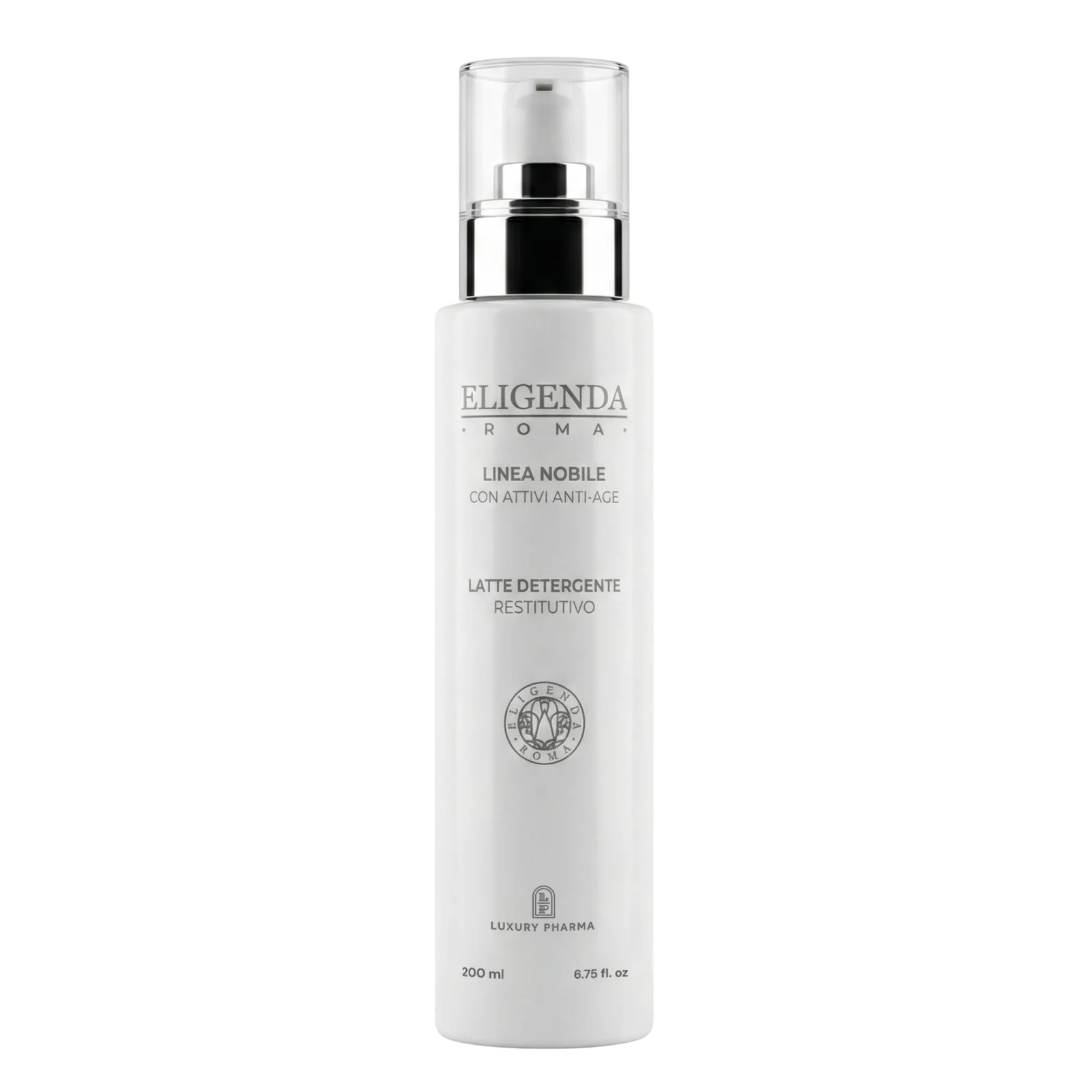
Our 200 ml milk is a fluid emulsion with a rich texture, designed to cleanse while leaving skin soft and comfortable. The formula includes aloe vera, plant-derived glycerine, shea and apricot butters, sweet almond and olive oils, vitamin E and botanical extracts.
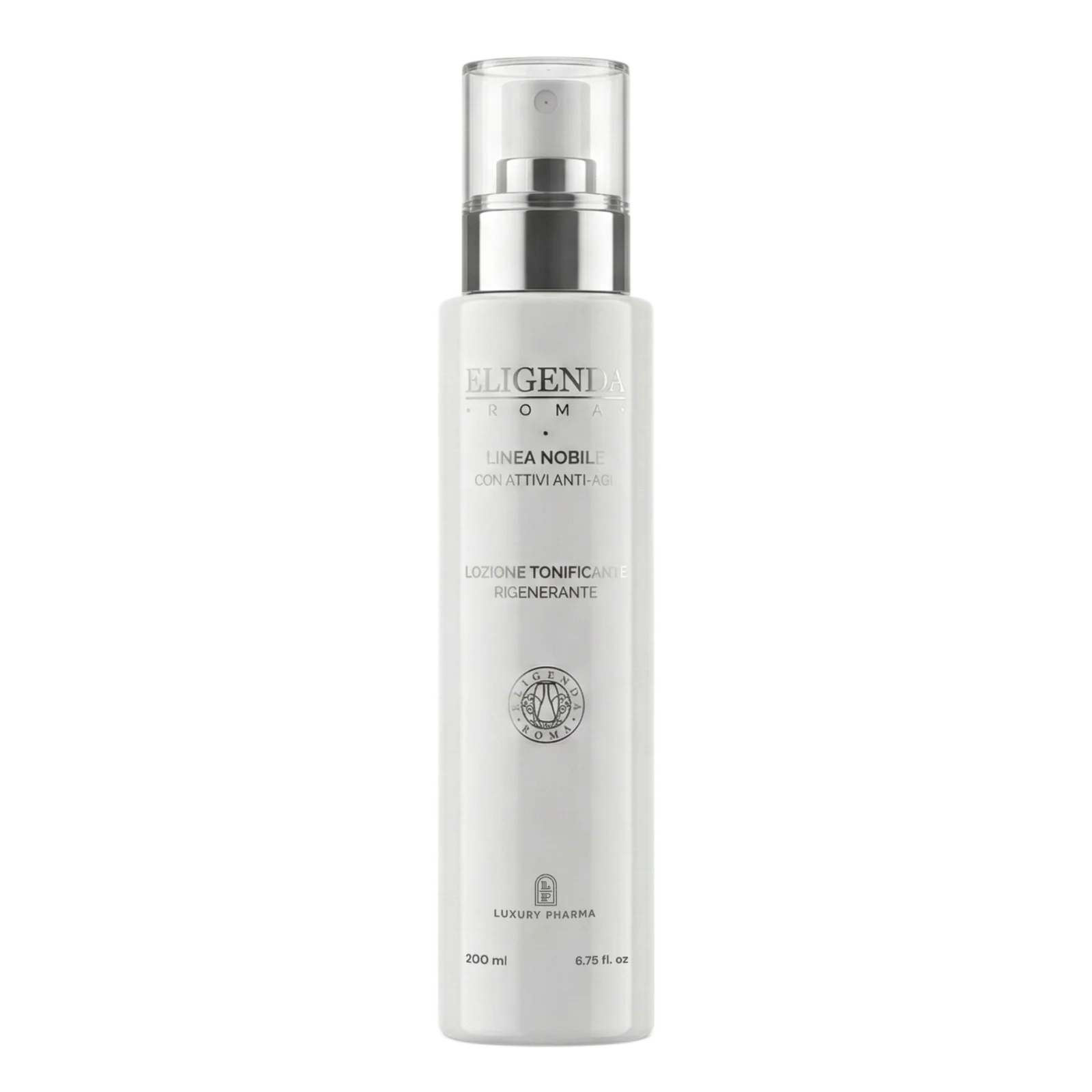
After rinsing, the Eligenda routine continues with Rejuvenating Facial Toner, swept over the face and neck with a cotton pad. You can then use serum and cream according to your needs. The skincare order guide explains where each step fits, including morning sunscreen.
Frequently asked questions
Can you leave cleansing milk on your face?
Only if the product is intended for that use. Eligenda Restorative Cleansing Milk must be massaged in and rinsed with water; it is not intended to remain on skin like a cream or mask.
Can I apply cleansing milk with my hands?
Yes. Apply Restorative Cleansing Milk to your face and neck with your fingertips, massage gently, then rinse with water. For other cleansing milks, check the directions.
Should I wet my face before applying it?
Check the formula's instructions. Eligenda Milk does not specify dry or wet skin: it directs application to the face and neck, gentle massage and rinsing. Do not dilute the product in its bottle.
Does cleansing milk remove waterproof mascara?
For waterproof mascara, choose a remover intended for the eyes and water-resistant make-up. Eligenda Milk cleanses the face and neck; use a dedicated product for eye make-up.
Do I have to use toner after cleansing milk?
Toner is a complementary step. In the Eligenda routine, it follows rinsing off the milk and comes before other treatments. It does not replace water when a cleanser requires rinsing.
Is cleansing milk only suitable for dry skin?
A creamy texture alone does not establish who it suits. The complete formula and skin response matter. Choose according to comfort after use and its ability to remove the products you apply.
Should I use it even if I do not wear make-up?
Yes. It can be your everyday cleanser even if you do not wear make-up, removing impurities and other cosmetics applied during the day. Adapt the frequency and technique to your skin and the product’s directions.
Can I use it as moisturiser when travelling?
Restorative Cleansing Milk is a rinse-off cleanser. Its rich texture and emollients do not make it a leave-on face cream. For care after cleansing, choose a product intended for that purpose.
Sources and further reading
- American Academy of Dermatology, Face washing 101: gentle movements, lukewarm water and drying without rubbing.
- Cleveland Clinic, Micellar Water: the role of micellar water and its limitations in make-up removal.