
Your skin barrier helps keep moisture in and limits what passes into your skin from the outside. Caring for it usually begins with gentle washing and a moisturiser that suits you. If irritation persists, get advice before adding more products.
If your face has started to feel tight after cleansing, it is tempting to buy something labelled “barrier repair” straight away. First, look at what has changed: a new exfoliant, more frequent washing, or several unfamiliar products introduced together. Those details help you make a more considered adjustment and, if needed, explain the problem to a dermatologist.
In this guide
- What is the skin barrier?
- What might a struggling barrier feel like?
- What to look for in a moisturiser
- How to keep daily care gentle
- A simple morning and evening example
- When your usual routine starts to sting
- How to judge whether your routine is helping
- Using Eligenda Restorative Cleansing Milk
- Questions about the skin barrier
What is the skin barrier?
The outermost layer of skin, the stratum corneum, is central to its barrier function. It contains flattened cells surrounded by lipids. This arrangement helps limit water loss and provides protection from the environment. The UK's Health and Safety Executive explains how this outer layer works, including the role of its lipids and natural moisturising factors.
The phrase “damaged barrier” is often used loosely online. It does not tell you why your skin feels uncomfortable, and it cannot identify a particular skin condition.
What might a struggling barrier feel like?
Dryness, roughness, flaking and stinging with skincare can accompany impaired barrier function. Harsh cleansing and excessive exfoliation may contribute. These signs also overlap with skin conditions that need their own treatment; they are not a diagnosis. Cleveland Clinic's dermatologist-led explanation covers that distinction.
Dryness and irritation often overlap, but they are not interchangeable. A face that feels tight after washing, skin that burns with a new product and a recurring itchy rash are different starting points. Note when the discomfort began, where it occurs and whether anything in your routine changed. Keep the packaging of recently introduced products.
For the distinction between dryness and dehydration, read our dry-skin guide. If reactions are your main concern, our guide to sensitive skin covers that subject separately.
What to look for in a moisturiser
A useful moisturiser can do several jobs at once. Some ingredients help retain water in the outer skin; others soften its surface or reduce water escaping from it. Understanding those roles helps when you compare a light hydrating serum with a richer moisturising cream.
| Role | What it does | Examples |
|---|---|---|
| Humectant | Helps hold water in the outer skin. | Glycerine, urea, hyaluronic acid. |
| Emollient | Softens and smooths the surface. | Various oils and fatty ingredients. |
| Occlusive | Forms a surface layer that helps reduce water loss. | Petrolatum and paraffin. |
DermNet’s moisturiser guide explains these roles. They overlap, and a finished cream usually combines ingredients rather than relying on one category. A product need not feel particularly thick to include more than one of them.
Where ceramides, cholesterol and fatty acids fit
These lipids occur naturally between the cells of the outer skin. They are part of its organisation, rather than simply a coating on top. Cleveland Clinic explains their role and why barrier-care formulas often feature them.
Finding one of those names on a label is a useful starting point, but it does not establish how quickly the complete product works. Look at the stated purpose and any testing of the finished formula. For everyday use, the cream also needs to feel comfortable enough to apply consistently.
If you are deciding between textures, the American Academy of Dermatology’s moisturiser guide discusses choosing a cream, lotion or ointment for your skin. For a closer look at one humectant, see our glycerine guide.
How to keep daily care gentle
Make cleansing comfortable
Use lukewarm water and apply cleanser with your fingertips, without scrubbing. Rinse gently and pat dry with a soft towel. These are the practical steps in the American Academy of Dermatology's face-washing guidance.
Check your cleanser’s removal instructions before adding an extra wash. Our cleansing-milk guide explains why the method depends on the formula.
Choose a moisturiser you can use comfortably
For dry, irritated skin, the American Academy of Dermatology recommends gentle, fragrance-free products and applying moisturiser after washing while skin is still damp. A cream or ointment can be more suitable than a light lotion for pronounced dryness. Its dry-skin guidance also advises seeking dermatological help if the problem persists or products burn or sting.
If your current moisturiser keeps your skin comfortable, the word “barrier” on another jar is not a reason to switch. When comparing products, start with a specific concern, such as tightness after washing.
Keep sun protection in your routine
Choose a broad-spectrum, water-resistant sunscreen with SPF 30 or higher, alongside shade and protective clothing. Follow its application and reapplication instructions. The American Academy of Dermatology explains what to look for on a sunscreen label. A moisturiser without a stated SPF does not replace sunscreen.
A simple morning and evening example
The following is a way to organise gentle cosmetic care, not a treatment plan for eczema or another diagnosed condition. Keep any prescribed treatment in the position and at the frequency your clinician has advised.
Morning: cleanse as needed, moisturise, protect
Use a gentle cleansing method that suits your skin, then apply your moisturiser as directed. Finish with sunscreen before sun exposure. If you usually layer several serums and a toner, identify what each adds before automatically including them all. Keeping an optional step out makes it easier to tell how the remaining products feel.
Evening: remove the day’s products gently
Remove make-up and sunscreen according to the cleanser’s instructions, without repeated scrubbing to achieve a squeaky feeling. Apply moisturiser afterwards. An extra exfoliant is not required simply because your skin feels rough.
For example, imagine that your cheeks became uncomfortable after you added an acid toner while also changing cleanser. Write down both changes. Returning to familiar, tolerated cosmetic steps and discussing persistent symptoms is more informative than adding a new “repair” serum, mask and facial oil together.
The timing gives you something specific to investigate, although it does not prove which product caused the discomfort. For the wider sequence, our skincare-order guide covers everyday layering.
When your usual routine starts to sting
Avoid trying several new “repair” products at once. If a cosmetic is causing irritation, stop using it and seek advice if symptoms persist or worsen. DermNet explains that reactions to cosmetics can have different causes; the ingredient with the most unfamiliar name is not necessarily responsible.
If you seek advice, bring your product list and the dates of any changes. Ask the prescriber before altering a prescribed skin treatment.
How to judge whether your routine is helping
Look for changes in comfort during ordinary activities, rather than repeatedly rubbing or applying a product that stings to test your skin. A short note every few days makes it easier to compare like with like.
- Does washing leave the same tight feeling as before?
- Is visible flaking changing in the same area?
- Can you use the routine comfortably, without burning or itching?
- Have any symptoms spread or become more troublesome?
These observations describe what you notice; they do not measure barrier function or prove that a skin condition has resolved. Keep photographs in similar lighting if they help you explain the changes at an appointment.
There is no single recovery time that applies to every cause of irritation. Persistent or worsening discomfort needs assessment, even if a product promises “seven-day repair”.
Reintroducing optional cosmetics
Once your skin is comfortable, avoid restarting everything on the same morning. Introduce one optional cosmetic at a time so a new reaction is easier to trace. The AAD explains how to test a new product on a small area over seven to ten days. This is a tolerance check, not the same as clinical patch testing for an allergy. Follow medical advice if you have a diagnosed condition or known allergen.
Using Eligenda Restorative Cleansing Milk
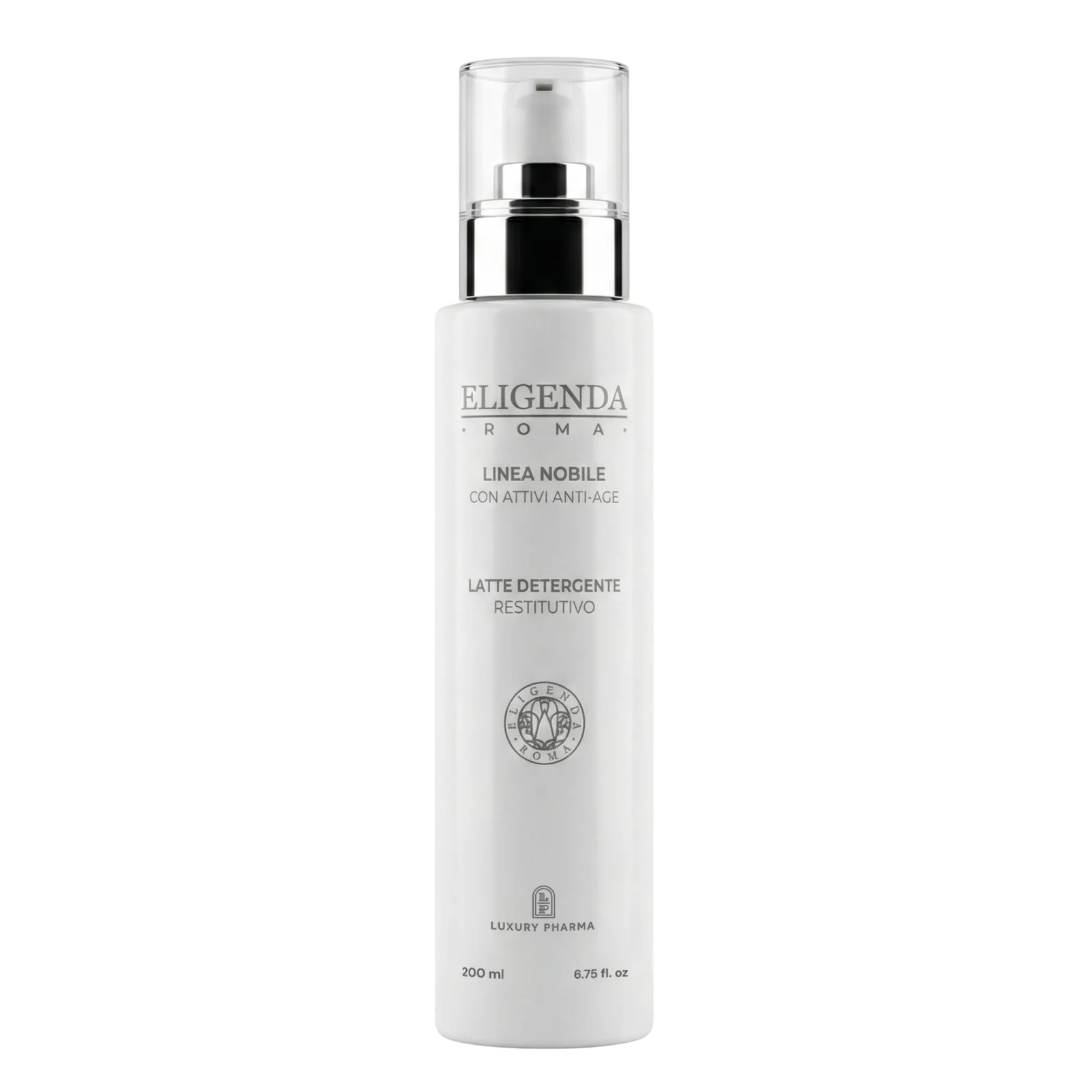
If Restorative Cleansing Milk is already part of a routine that suits your skin, follow its removal instructions: apply to your face and neck with your fingertips or a cotton pad, massage gently and rinse with water.
The formula contains aloe vera juice, glycerine, shea butter and plant oils. It is fragranced. If your skin is currently irritated, follow the fragrance-free guidance above when choosing a cleanser.
Questions about the skin barrier
Can I tell whether my barrier is damaged from a photograph?
A photograph alone cannot establish the cause. A clinician may also need to ask about your symptoms and routine, and examine your skin.
Does stinging mean a product is working?
Do not use stinging as a measure of benefit. Stop an irritating cosmetic and seek advice if symptoms persist.
Should I scrub away flaky skin?
Scrubbing can add irritation. Keep cleansing gentle rather than trying to polish the flakes away.
Do I need a separate barrier serum?
That label alone does not establish a need for another step. Consider what your existing moisturiser does and whether your routine feels comfortable.
How long does barrier repair take?
It depends on the cause and your skin. Seek advice if symptoms persist or worsen, rather than waiting for a recovery deadline you have read online.
Is a barrier cream a substitute for sunscreen?
Only rely on a product for sun protection if it is labelled for that purpose with an appropriate SPF and broad-spectrum protection. Follow its directions.
Should I stop a prescribed treatment?
Ask the clinician who prescribed it before making changes. Tell them what stings and when it happens.
Is skin pH the same as the skin barrier?
No. pH describes acidity; barrier function involves the outer skin’s structure and behaviour. A pH claim alone does not establish that a cleanser suits you. Our skin-pH guide explains the distinction.