
How to protect your skin in summer: a complete routine before, during and after sun exposure
By Emanuela Silvi, founder of Eligenda Roma.
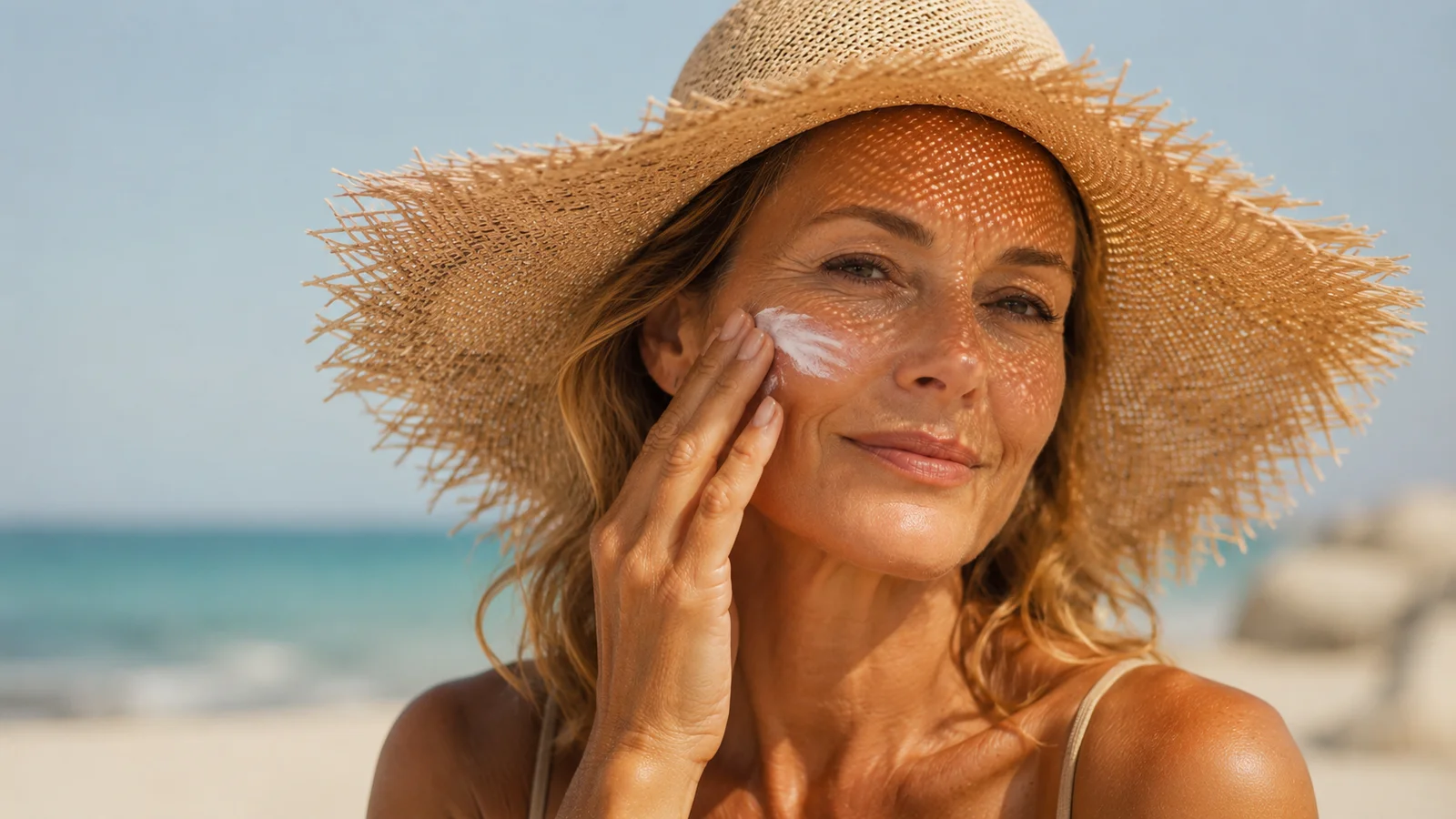
Summer face care starts with sun protection, alongside shade and suitable clothing. Cleansing and moisturising help keep your skin comfortable, but they cannot undo exposure damage.
This guide covers morning and evening routines, caring for your skin after sun exposure, and practical steps for shine and dark spots.
In this guide
At a glance
- Protect your face with broad-spectrum sunscreen, suitable clothing and shade.
- Outdoors, reapply sunscreen as directed: generally every two hours and after swimming or sweating.
- Adapt cleansing and moisturising to how your skin feels. Toner, serum and eye cream are optional steps.
- If your skin is red or peeling, avoid exfoliating it and reduce sources of irritation.
- Shine does not prove that your skin lacks water or needs more intensive cleansing.
- Treatment for pigmentation depends on the cause; a new or changing lesion needs assessment.
What really happens to your skin in summer
Summer can expose your skin to several stresses in quick succession.
UV rays, heat and oxidative stress
UV exposure contributes to photoageing and changes in the skin’s supporting structures, including collagen and elastin. Sun protection therefore remains central throughout the season. Heat, sweat and environmental conditions can also affect how your face feels; the response is not the same for everyone.
The skin barrier under pressure
The skin barrier helps limit water loss and protect the skin. Repeated washing, rubbing, salt and other factors can leave it drier or irritated. If you notice tightness or burning, simplify your routine instead of adding many active ingredients.
How to protect your face from the sun
This is the central step, and the details matter.
Sun protection is essential
Choose a sunscreen with at least SPF 30, UVA/UVB protection and water resistance when needed. Apply it before going outside, following the amount and directions on the packaging. Outdoors, generally reapply every two hours and after swimming or sweating, as recommended by the American Academy of Dermatology.
Include exposed areas that are often forgotten, such as your ears and neck. For the eye area and lips, use products intended for those areas. Shade, a hat and clothing complete your protection.
Linea Nobile does not replace sunscreen. Reading the INCI list helps you understand a formula, but SPF and UVA protection must be confirmed from specific label information, not simply the presence of an ingredient.
Natural ways to protect your face from the sun
Seek shade, limit exposure when the sun is strongest, and wear a wide-brimmed hat, UV-protective sunglasses and suitable clothing. Plant oils, foods and cosmetics without a stated sun-protection rating do not replace sunscreen.
Antioxidants in your routine
Linea Nobile’s documentation describes ingredients such as vitamin E, ginkgo biloba and strawberry extract. Their laboratory-studied properties do not demonstrate that the cream, eye cream or cleanser protects against UV rays or repairs sunburn. Choosing sunscreen remains a separate matter from whether your skincare contains antioxidants.
A summer face routine: morning and evening
Keep the steps your skin tolerates well and adjust quantities and textures for comfort. You do not need to use every product in the range each time.
A summer morning face routine
- Gentle cleansing, if needed. Rinse off Restorative Cleansing Milk as directed in the leaflet.
- Toner, serum and eye cream are possible additions if they are already part of your routine. Our guide to using face serum explains where it fits in the sequence.
- Moisturiser as needed, without assuming you always need less in summer.
- Sunscreen as the last skincare step before make-up, following its directions.
Evening cleansing: why it matters even more in summer
During the day, sunscreen residue, sweat, salt and airborne particles accumulate on the skin. Thorough evening cleansing clears the surface and removes what has settled there. Skipping it leaves these residues in contact with your skin all night.
If you use cleansing milk, our guide to using cleansing milk explains how to apply and rinse it off.
After-sun face care: looking after your skin following exposure
After sun exposure, first assess how your skin feels. If it is comfortable, you can keep your usual skincare sequence. If it burns or looks red, reduce the number of products and approach the discomfort with care.
Red or tight-feeling skin after sun exposure
Redness after sun exposure may be sunburn. Stop exposing the area and cool the skin gently; the AAD offers advice on soothing sunburnt skin. There is no need to apply an entire routine to an irritated area.
Rejuvenating Facial Toner contains botanical waters and extracts, but it is not a treatment for sunburn. Stop using a cosmetic if it stings. Seek medical help for widespread blistering, significant pain, fever or feeling unwell.
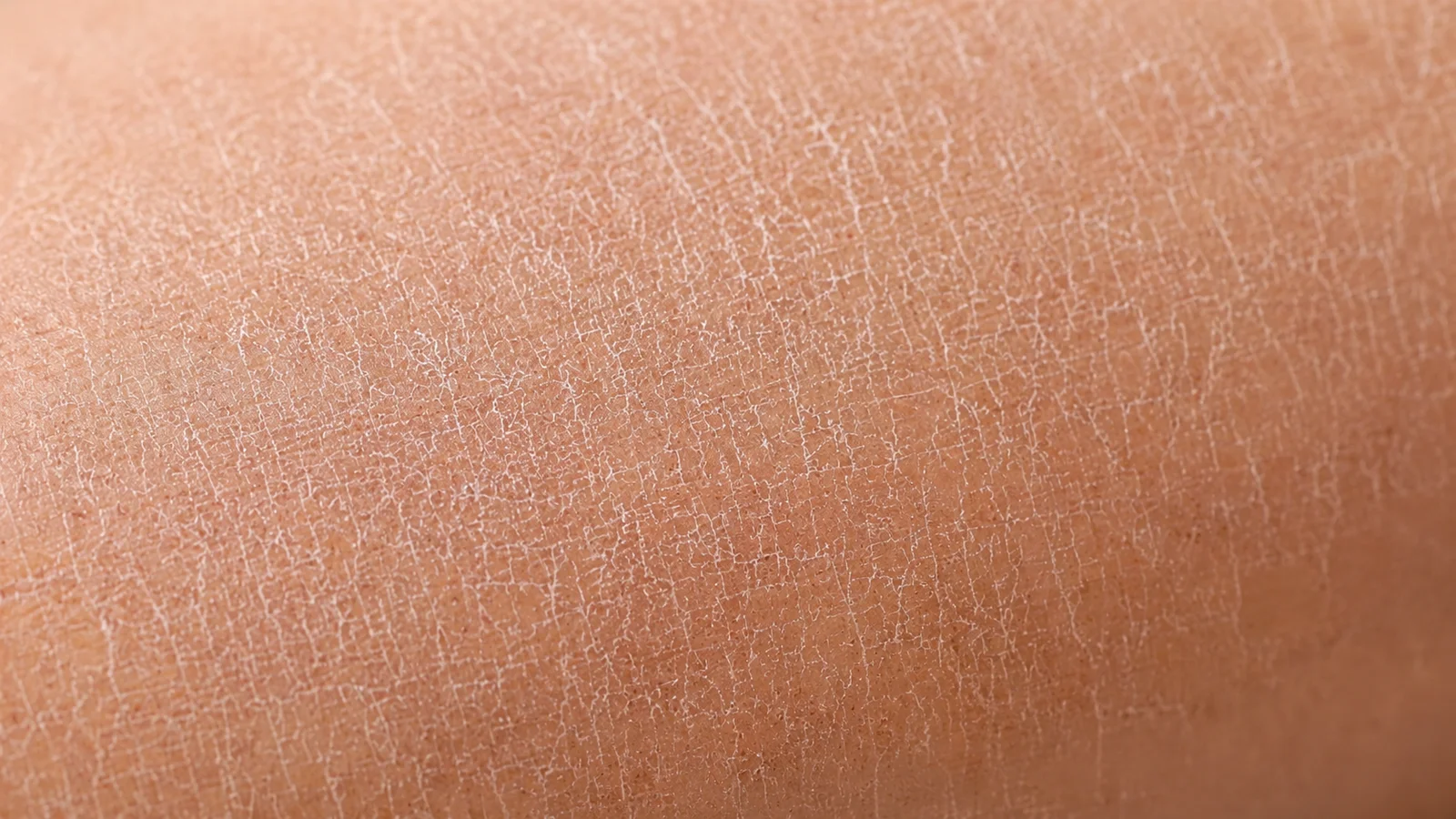
Dry, rough or peeling skin
Peeling after sunburn is a consequence of skin damage, not a renewal process to speed up. Do not pick peeling skin or use a scrub on the area. Be gentle and choose a moisturiser your skin tolerates.
Global Action Serum contains Myrothamnus flabellifolia, but the evidence reported for that ingredient does not demonstrate that the serum repairs sunburn or works for 48 hours. For everyday cosmetic hydration, read more about the role of hyaluronic acid.
Itching and a feeling of heat
Itching and heat after sun exposure can have several causes, including irritation, sunburn or other skin reactions. Avoid rubbing and products that burn. Caper, prickly pear and olive extracts in some cosmetics do not establish that the formula treats these symptoms. If they persist, worsen or occur with blisters, seek medical assessment.
What to avoid when the sun has irritated your skin
While your skin is irritated, avoid scrubs, exfoliants and cosmetics that cause burning. Recovery times vary between people. Do not change prescribed treatment without discussing it with your doctor. Reintroduce other products gradually once your skin feels comfortable again.
Sun spots on the face: why they appear and how to reduce their appearance
Why sunlight causes dark spots
Sun exposure can contribute to or intensify changes in pigmentation. Not every dark spot has the same origin, however: melasma, post-inflammatory marks and solar lentigines need different assessments. A new or changing spot should not be treated as a purely cosmetic problem.
What you can do about existing spots
Treatment depends on the cause of the pigmentation and should not automatically be postponed until summer ends. Sun protection helps limit darkening; a dermatologist can help you choose a specific treatment.
Global Action Cream contains a botanical complex described in the product materials. Data on that complex do not demonstrate a percentage lightening effect, or effectiveness equivalent to a medicine, for the finished cream. Read more about the causes of facial dark spots.
Why skin looks shinier in summer
Sweat, sebum and the products you apply can make your face look shinier. An oily appearance does not measure hydration or prove that the skin is producing sebum to compensate for a lack of water.
Choose a gentle cleanser and an amount of moisturiser that feels comfortable. Lavender, sage, witch hazel or cucumber in the ingredient list do not guarantee a reduction in sebum or pores. Avoid more frequent washing and rubbing in pursuit of completely matt skin.

Summer skincare by skin type
Eligenda Roma’s catalogue presents the range for different skin types. Suitability for an individual still depends on the complete formula, any allergies and tolerability. You can adapt the amounts and number of steps to your actual needs.
| Skin | What changes in summer | What to do |
|---|---|---|
| Oily or combination | Sweat and products can increase shine | Gentle cleansing twice a day and light layers |
| Dry or sensitive | Tightness or discomfort may develop | A simple routine and a well-tolerated moisturiser |
| Mature | Dryness and dark spots may be more noticeable | Sun protection and moisturising |
| Men’s skin | Shaving can cause irritation | Gentle shaving and a simple routine |
Mature skin
Dryness, elasticity and pigmentation can change with age. A well-tolerated moisturiser and sunscreen remain useful parts of daily care.
Global Action Cream’s documentation reports data on a Pseudoalteromonas exopolysaccharide. The hydration results relate to the preparation studied with that active ingredient, not the finished Eligenda cream. For everyday care, read how skin changes after 40.
The eye area in summer
The area around the eyes is delicate. Use a light touch and products intended for it, avoiding contact with the eyes themselves. Delicate Eye Contour Cream contains caffeine, hyaluronic acid and ginkgo biloba; this does not guarantee that it will address every cause of dark circles or puffiness. Our guide to dark circles, puffiness and fine lines explains the differences.

Post-summer skincare: restoring comfort in September
When you return, start with a routine your skin tolerates. If it is irritated, do not try to speed recovery with intensive exfoliation. Changes in texture and pigmentation have varying timescales and should be assessed in relation to their cause and treatment.
The product materials describe studies on ingredient complexes, but wrinkle reductions and improvements in elasticity observed in those studies are not clinically demonstrated results for the finished cream.
Eligenda Roma’s catalogue describes the Dual-Action Face Scrub and Intensive Exosome Face Mask as products for professional salon use. Discuss any treatment with the practitioner and do not apply it to sunburnt or irritated skin. You can also read how stress affects the skin.
Packing your summer routine
The Eligenda Travel Kit contains the five Linea Nobile products in travel sizes: Cleansing Milk 30 ml, Facial Toner 30 ml, Serum 3 ml, Face Cream 10 ml and Eye Cream 5 ml. Each container is below the 100 ml limit in the EU’s basic rules for liquids in hand luggage. You must also meet the bag requirements and follow guidance from your departure and transit airports. We cover the rest in what to pack for your skin.
Our guide to cosmetic expiry dates and storage explains what to check on the packaging.
Building a summer routine with Linea Nobile
Linea Nobile includes cleansing milk, facial toner, serum, face cream and eye cream. Choose the steps around your habits and what your skin tolerates, keeping sunscreen as a separate product.
Eligenda Roma’s catalogue describes a silver-plated spatula for the face cream. The presence of silver does not make the accessory sterile or replace cleaning and proper storage. Likewise, using patented active ingredients does not in itself demonstrate the clinical effectiveness of the finished product.
This content is for information and does not replace advice from a doctor or dermatologist.
Frequently asked questions about skin in summer
What is the best after-sun product for the face? It depends on your skin’s condition. If it is simply dry, a well-tolerated moisturiser may improve comfort. If it is red or burning, stop sun exposure, reduce sources of irritation and avoid applying an entire routine. Toner is optional and does not treat sunburn.
Why does skin peel after sun exposure? Peeling can follow sunburn. It is not a process to speed up with scrubs or acids: avoid picking the skin and treat it gently as it recovers.
Why does my skin itch after sun exposure? Irritation, sunburn or other reactions may be responsible. Avoid cosmetics that burn and seek advice if the itching persists or worsens. Widespread blistering, significant pain or feeling unwell requires medical help.
Can sun spots be removed from the face? Treatment depends on the cause. A cosmetic cannot guarantee removal; sunscreen and a dermatological assessment help guide the next steps, especially for a new or changing lesion.
Why is skin shinier in summer? Sweat, sebum and the products you apply can increase shine. This does not demonstrate dehydration or a compensatory increase in sebum. Adapt your routine for comfort without stripping the skin.
Which face cream should I choose in summer? A well-tolerated formula that works comfortably with your sunscreen. The amount and texture depend on your skin and the climate: you do not automatically need less moisturiser or more products in the evening.
How can I protect my face from the sun naturally? Seek shade when the sun is strongest and wear a hat, UV-protective sunglasses and suitable clothing. Oils and cosmetic antioxidants do not replace a product with sun protection stated on its label.
What skincare should I use after summer? Return to a simple, well-tolerated routine. If your skin is irritated, avoid aggressive exfoliation. Consider dermatological advice for persistent dark spots or other changes. There is no recovery time that applies to everyone.