Professional facial cleansing: stages, costs, benefits and limitations
By Emanuela Silvi, founder of Eligenda Roma.
Professional facial cleansing is a salon treatment that may include cleansing, exfoliation, optional blackhead extraction and cosmetic application. Duration and frequency depend on the protocol and your skin’s condition: steam and extraction are not compulsory in every session.
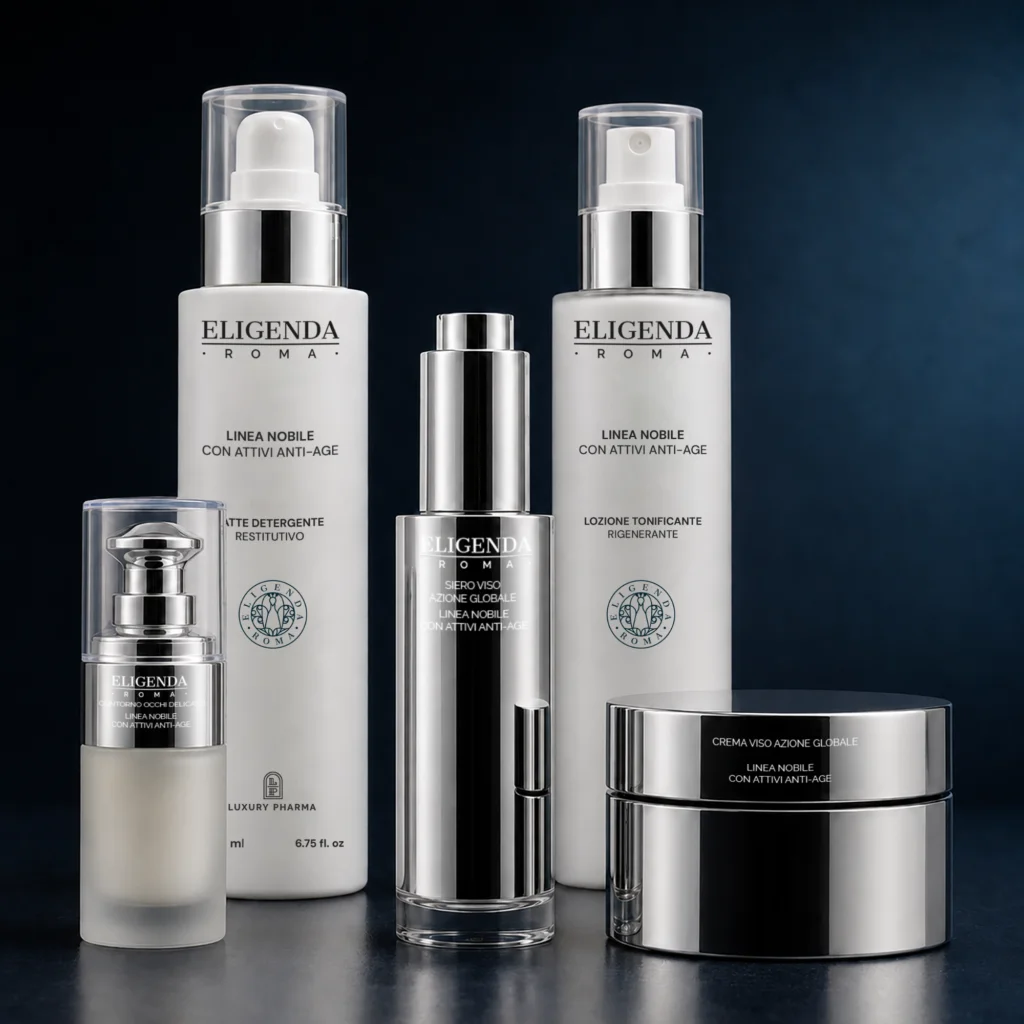
Before booking, establish which stages the session includes, which products will be used and what result to expect. Care between appointments matters too: our Restorative Cleansing Milk supports daily cleansing with a formula rich in aloe, shea butter and plant-derived glycerine.
In this guide
- What professional facial cleansing does
- What a session includes
- How long a facial cleansing treatment takes
- Costs and comparing quotes
- How often to have one
- Facial cleansing: benefits and limitations
- Before and after: useful precautions
- Redness or spots after treatment: what to do
- Home care with Eligenda Roma
- Frequently asked questions
- Sources and further reading
What professional facial cleansing does
The treatment aims to improve cleanliness, smoothness and comfort at the skin’s surface. Depending on your needs, it may focus more on comedones, residue removal or hydration. A session for shiny skin with blackheads may be very different from one for dry skin that reddens easily.
The result depends on the agreed goal: a hydrating mask may leave skin softer, while extraction aims to remove certain blackheads. These surface benefits are not equivalent to permanently closing pores or treating acne.
In Italy, Law No 1 of 4 January 1990, Article 1 limits beauty treatment activities to the body’s surface, with the aim of maintaining or improving its appearance; it excludes services with specifically therapeutic aims. Inflammatory acne, dermatitis and other skin conditions therefore need medical assessment.
What a session includes
This sequence helps you understand salon offerings. The stages can vary because each should address a skin need.
1. Consultation and skin observation
Before starting, the practitioner should ask about your skincare habits, known allergies, medication and recent treatments. This is the time to mention skin that burns easily, sunburn or a previous reaction.
Our guide to facial skin analysis can help you prepare. Recognising your needs makes the consultation more useful, while diagnosing a skin disease is a doctor’s role.
2. Cleansing
Make-up, sunscreen residue and surface build-up are removed. One or more products may be needed, depending on what has to be removed and the formula’s characteristics. Double cleansing is an option when useful, rather than a requirement for everyone.
Cleansing should leave your face comfortable. If your skin feels very tight, mention it before continuing.
3. Exfoliation, when appropriate
The protocol may include mechanical or enzymatic exfoliation, or another method compatible with a beauty treatment. Product type, application time and rubbing should be adapted to the skin.
Even an enzymatic exfoliant needs careful selection and use on reactive skin. If the skin is already irritated, it may be better to omit this step.
4. Optional steam
Some treatments use steam as a preparation stage. Heat can feel uncomfortable, particularly on a face prone to redness. Discuss this before the session.
The idea that pores must be ‘opened’ and then ‘closed’ is an unhelpful simplification. Instead, ask what benefit is intended and whether there is an alternative suited to your skin.
5. Optional extraction
Extraction should be limited to concerns for which it is appropriate. Applying pressure to inflamed, painful or deep bumps can damage the skin; these need medical attention.
The American Academy of Dermatology describes comedone extraction as a procedure a dermatologist may perform with suitable tools and technique. This reference concerns medical acne care and is not permission to reproduce the procedure at home. Avoid squeezing spots or blackheads yourself before the appointment.
6. Finishing products
After the planned stages, a toner, serum, mask or cream may be applied. The choice should address the needs identified during the session. Massage can also be adapted or omitted.
Before leaving, ask for clear guidance on products to use at home, sun protection and any temporary precautions. If anything caused discomfort during treatment, mention it before leaving the salon.

How long a facial cleansing treatment takes
There is no single duration that determines service quality. A simple treatment and a session involving more stages, application times and equipment call for different appointment lengths.
When booking, ask about the total duration and included stages. Check whether the stated time includes the initial consultation. This lets you compare two options without automatically assuming the longer one is better.
If you are preparing for an event, avoid trying a new protocol close to the date. Skin response and the duration of any redness cannot be predicted precisely for everyone.
Costs and comparing quotes
The price depends on the city, salon, duration, cosmetics and any equipment used. A useful quote describes the service in detail, beyond the general name ‘facial cleansing’.
Before choosing, check:
- which stages are included in the price;
- whether the initial assessment is included;
- which additional services cost extra;
- whether a stage can be adapted or omitted;
- what support is offered if discomfort occurs afterwards.
Consider a package of appointments only after clarifying your skin’s needs. A financial saving does not, by itself, determine the right frequency.
Eligenda Roma is a cosmetics brand and does not offer salon-treatment bookings through this page. Contact your chosen salon for an up-to-date price.
How often to have one
Agree the frequency according to the reason for treatment and your skin’s response. Returning blackheads, dryness, daily habits and any dermatological care are more useful guides than a fixed schedule for everyone.
Skin turnover alone does not justify a monthly appointment. Before repeating exfoliation or extraction, establish whether your skin needs it.
After the first session, observe your face’s response and tell the practitioner. If treatment leaves prolonged discomfort, establish what happened before repeating it. For persistent acne, a schedule of facials does not replace dermatological care.
Facial cleansing: benefits and limitations
| Possible benefits | Limitations and points to consider |
|---|---|
| An appointment devoted to skincare | The result depends on the protocol and individual needs |
| Improved surface cleansing and softness | The benefit needs consistent daily care |
| Targeted treatment of certain surface concerns | Acne and skin diseases need medical expertise |
| Personalised routine guidance | Poorly tolerated products or techniques can cause irritation |
The treatment can be a pleasant addition to facial care. Choose it for a specific need and agree realistic outcomes. Pores and sebum are part of the skin’s characteristics, and blemishes can return.
Before and after: useful precautions
Before the appointment, tell the practitioner which cosmetics you use and about any medication. Mention recent peels, laser or other procedures, and ask the practitioner who performed them when further treatment is appropriate. Do not stop medication on your own to prepare for a session.
Around the appointment, avoid adding exfoliation or new products without discussing them with the professional. If your face is sunburnt, has wounds or is reacting, ask whether the session should be postponed.
Afterwards, follow the advice you are given. Precautions about make-up, strenuous exercise and heat depend on the stages performed; no single waiting time applies to every treatment.
Keep home cleansing gentle. Our face cleansing guide explains how to remove everyday residue without repeated wiping and rubbing.
Redness or spots after treatment: what to do
If a reaction develops after treatment, note where it appears, how soon and what it feels like. A photograph can help you describe it to a professional, but it does not replace a consultation.
Spots appearing after a session can have different causes. Do not interpret them as normal ‘purifying’ or deep impurities coming to the surface. A consultation may be needed to establish their origin.
Pain, significant swelling, discharge or worsening symptoms need medical advice. Persistent redness also deserves attention. Avoid experimenting with scrubs or intensive treatments on the reacting area.
Home care with Eligenda Roma
Between sessions, a manageable routine starts with cleansing and moisturising. In Linea Nobile, Restorative Cleansing Milk is massaged gently onto the face and neck, then rinsed off with water.
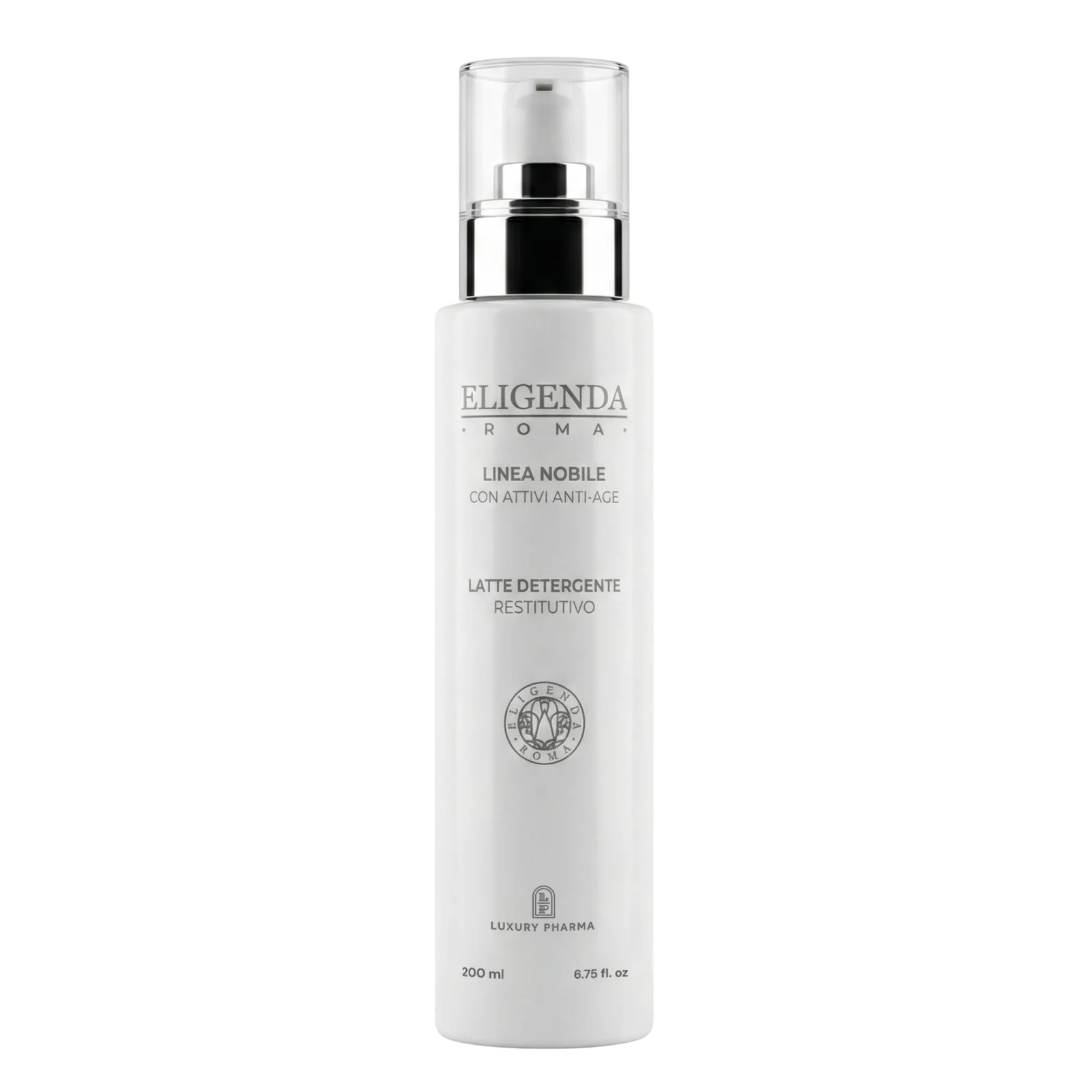
Rejuvenating Facial Toner complements cleansing. It contains chamomile, helichrysum and witch hazel waters alongside plant-derived glycerine. Apply it with a cotton pad to the face and neck after the milk.
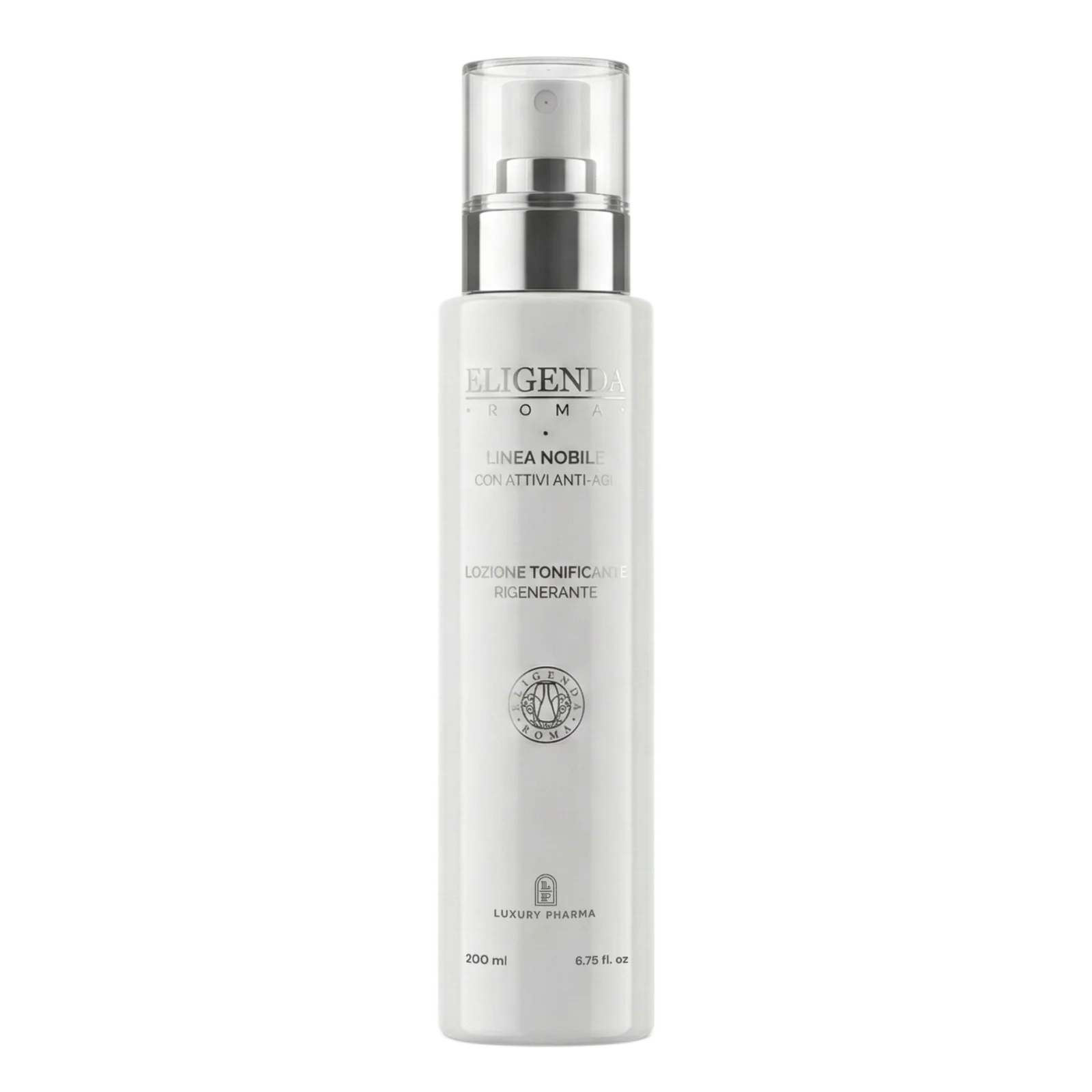
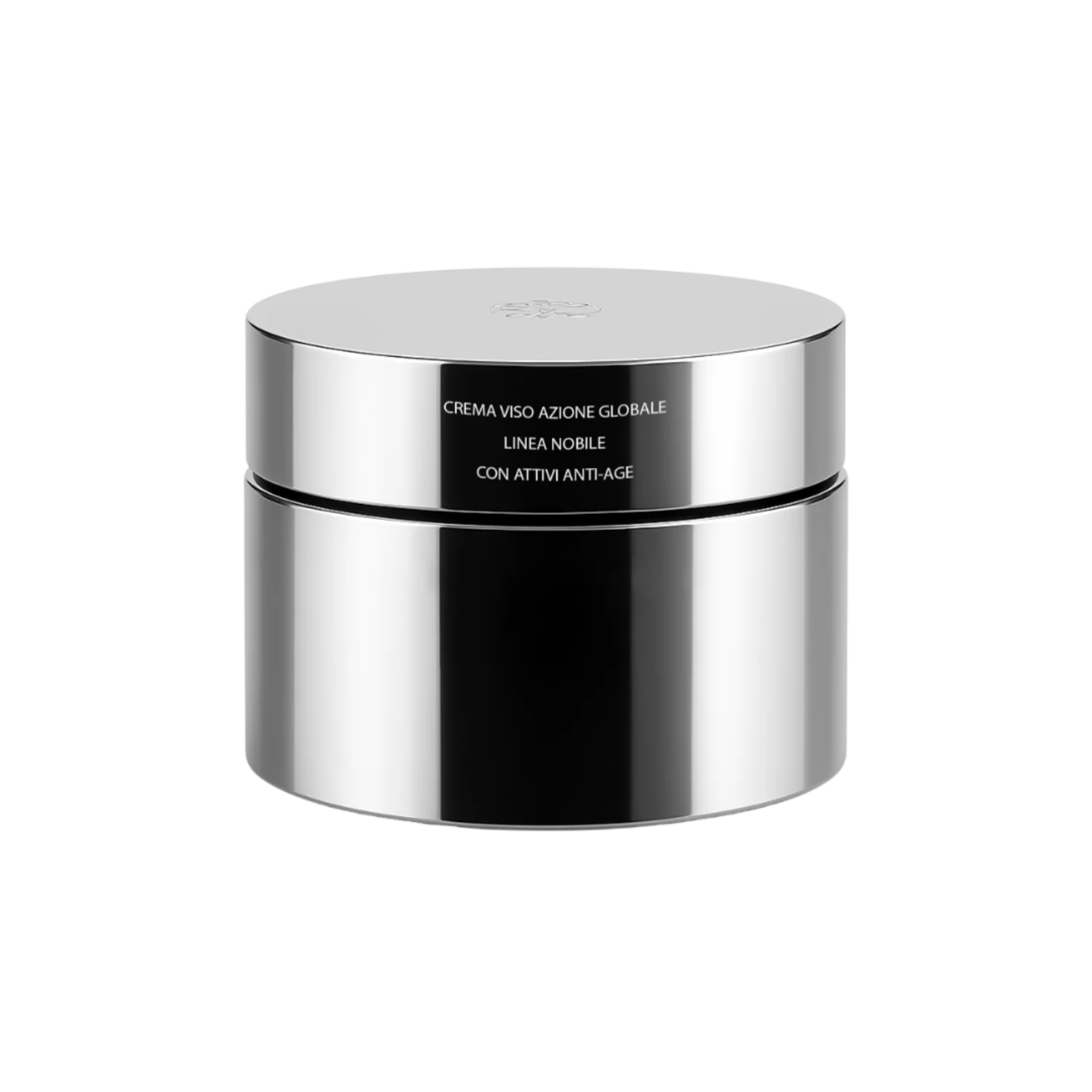
For everyday moisturising, Global Action Cream combines sodium hyaluronate, plant-derived glycerine, shea butter and plant oils. Take it out with the supplied spatula and spread with light strokes. If your face is still irritated after the session, ask the professional for advice before introducing new cosmetics.
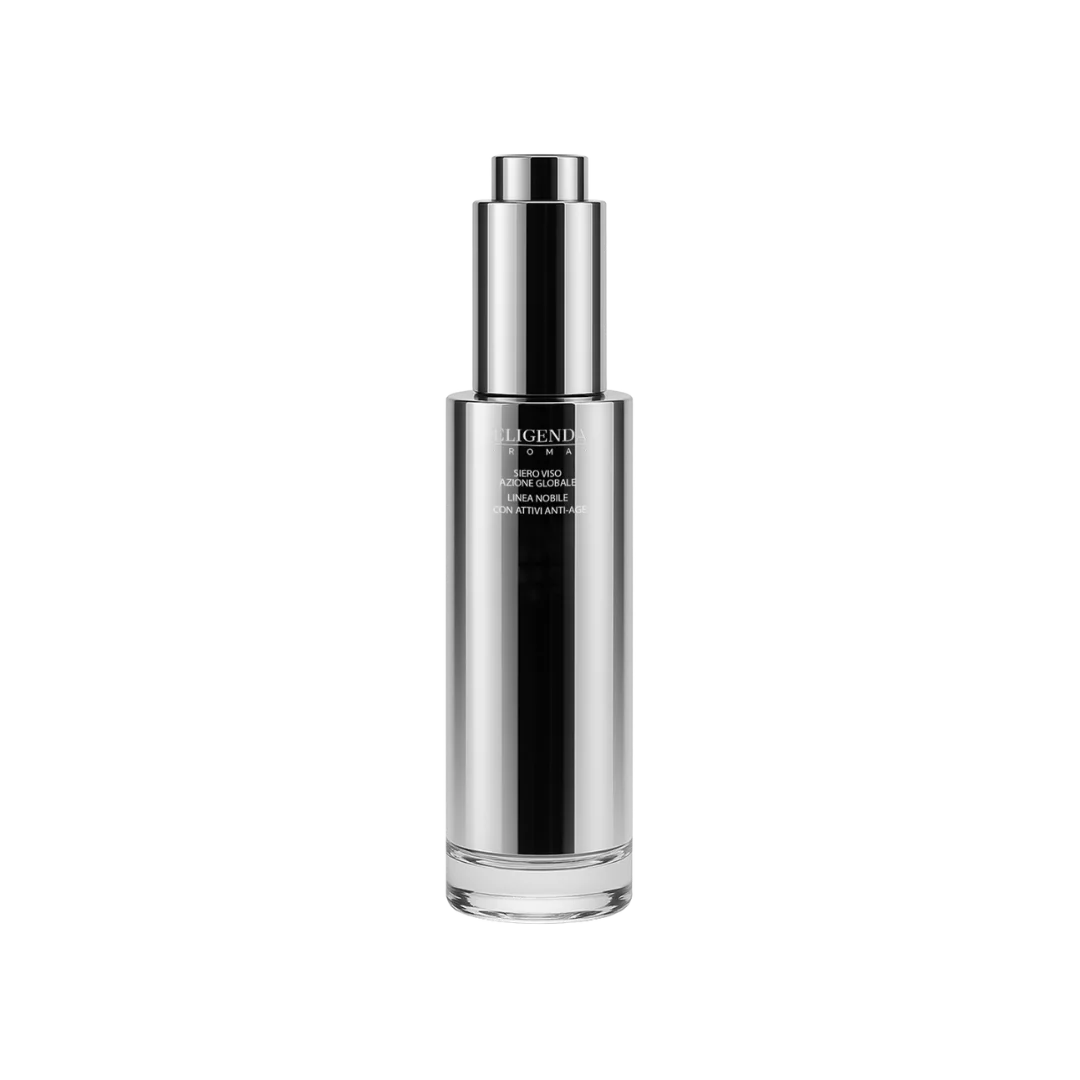
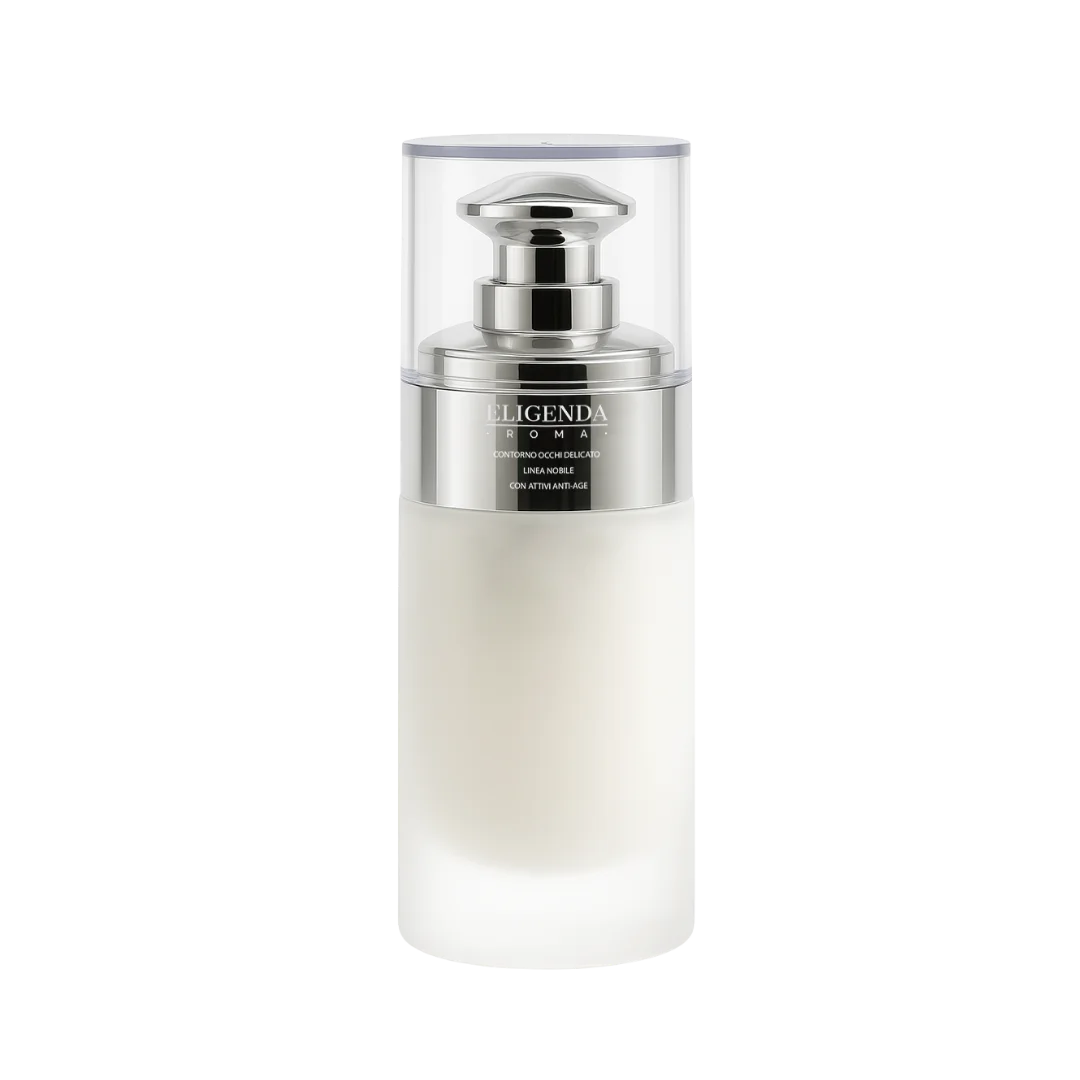
The face routine sequence helps you include serum and eye cream when useful. A salon session does not, by itself, mean you need more products at home.
Eligenda Roma also offers professional sizes and two salon-specific products: Exfoliating Face Scrub and Intensive Exosome Face Mask. Selection and use in the salon remain the practitioner’s responsibility; this page does not offer a professional protocol to reproduce at home.
Frequently asked questions
Does professional facial cleansing hurt?
Comfort varies with the techniques used and individual sensitivity. Report pain or burning immediately: enduring it does not make treatment more effective, and a stage may need to be changed or stopped.
Can you have it with sensitive skin?
The current condition needs assessing, with products and techniques adapted accordingly. With persistent redness, rosacea or dermatitis, speak to a dermatologist first. A gentle session may omit steam and exfoliation.
Does the treatment remove every blackhead?
It may remove some comedones, but not necessarily all, and others can develop over time. If the problem recurs, a dermatologist can advise on ongoing management.
How often should it be repeated?
According to your skin’s needs and tolerance. Ask what goal justifies another appointment and review the frequency in light of the previous session’s results.
How much does professional facial cleansing cost?
A reliable figure requires a quote from the salon. Compare duration, included stages, equipment and additional charges: two treatments with the same name may include different services.
Can home cleansing replace it?
Daily cleansing remains necessary even if you visit a salon. A professional session adds specific procedures when appropriate; do not attempt extraction techniques yourself.