

Dark spots on the face: why they appear and how to reduce them
By Emanuela Silvi, founder of Eligenda Roma.
Dark spots are areas where the skin looks darker. They can make your complexion appear uneven; understanding their cause is important when deciding how to address them.
Here we explain the most common causes, the role of sun protection and skincare, and the signs that call for a dermatologist’s advice.
In this guide
What are dark spots on the face?
Dark spots are areas of skin that look darker than the surrounding complexion. This change, known as hyperpigmentation, involves melanin: the pigment made by specialised cells called melanocytes. Melanin contributes to skin colour and the skin’s response to sunlight, but it does not replace sun protection.
When melanocytes are stimulated excessively or unevenly, they produce more melanin in certain areas. This builds up and becomes visible as a dark spot. Several factors can trigger this response, but sun exposure is the most common. This explains why dark spots tend to appear on exposed areas such as the cheekbones, forehead, nose and upper lip.
Not every dark skin lesion is simply a cosmetic pigmentation concern. A spot that is new, looks different from the others or changes should be assessed. Below, we explain the signs that warrant a check.
Why dark spots appear on the face
Understanding what caused a dark spot is the first step towards addressing it appropriately: the cause guides both prevention and treatment. These are the most common factors.
Sun exposure. Sunlight plays an important part in the development and worsening of many dark spots. Ultraviolet rays stimulate melanin production, and repeated exposure without protection leaves cumulative signs over time. These include sun spots, or solar lentigines, which typically affect the most exposed areas of the face.
Hormones. Hormonal changes, such as those during pregnancy or when taking the contraceptive pill, can contribute to melasma. These larger patches have blurred edges and mainly affect the cheeks, forehead and upper lip. Exposure to light can make them worse.
Age. Over the years, the skin accumulates damage from a lifetime of sun exposure, while its natural cell renewal processes slow down. Dark spots therefore tend to become more common and noticeable as we age. This is one of the changes discussed in our guide to skin after 40.
Inflammation. A spot, small wound or irritation can leave a dark mark in the affected area. This is known as post-inflammatory hyperpigmentation and is common in people who have, or have had, acne.
Certain medicines and fragrances. Some medicines and substances applied to the skin can affect pigmentation or sensitivity to light. Ask your doctor or pharmacist if you are unsure about a treatment; do not stop taking it on your own.
Different types of dark spots
Dark spots are not all the same. Understanding the differences helps you decide what to do. This table outlines the most common types.
| Type of pigmentation | Aspect | Main cause |
|---|---|---|
| Solar lentigines | Small, brown spots with clearly defined edges | Sun exposure over time |
| Melasma | Large, symmetrical patches with blurred edges | Predisposition, hormonal factors and light |
| Post-inflammatory hyperpigmentation | At the site of a spot or skin injury | Acne, wounds and irritation |
| Ephelides (freckles) | Small, light-coloured and numerous | Genetic predisposition and sunlight |
The table is a guide, not a way to identify a skin lesion with certainty. Freckles can be an inherited characteristic, while melasma and other forms of hyperpigmentation need different approaches. Before choosing a product to even out your skin tone, establish what kind of pigmentation you have.
Preventing dark spots: sun protection comes first
Protection from light is an important part of managing many forms of hyperpigmentation. For melasma, the American Academy of Dermatology recommends combining sunscreen with shade and a hat. A tinted sunscreen containing iron oxides may also help protect against visible light.
Choose a broad-spectrum sunscreen with SPF 30 or higher and apply it at the end of your morning routine, before going outside. Outdoors, reapply about every two hours and after swimming or sweating, following the product’s directions. See the AAD guide to applying sunscreen for more information.
Protection cannot guarantee that no new spots will appear. It works alongside managing contributing factors such as irritation and acne, without picking spots or persisting with harsh treatments.
Reducing dark spots: which active ingredients matter?
The complete formula matters when trying to reduce a dark spot, as does the type of hyperpigmentation. The INCI list and INCI analyser help you identify ingredients; on their own, they do not reveal concentrations, effectiveness or tolerability.
Arbutin and kojic acid. These ingredients are used in formulas intended to even out skin tone. Their presence does not automatically make a product gentle or effective on every dark spot: concentration, stability and directions for use all matter. You do not need to combine them in the same routine.
Vitamin C. Some formulas are used to improve uneven skin tone. Their effects also depend on the form of vitamin C used and its stability. Vitamin C does not replace sunscreen.
Niacinamide. A clinical study of specific niacinamide formulations observed improvements in pigmentation. Those findings relate to the formulas and participants studied. They do not prove that every cream containing niacinamide produces the same result or suits every person with sensitive skin. For everyday skincare, see our guide to skin radiance.
Retinol and exfoliating acids. These may have a place in some routines, but they can also irritate the skin. Introduce them according to the product’s directions, without layering several active ingredients. During pregnancy, avoid retinoids and retinol and discuss your products with your doctor, as the AAD pregnancy skincare guide advises.
If a dark spot persists or you do not know what it is, a dermatologist can recommend a targeted approach. Increasing concentrations or adding more products does not guarantee better results.
A skincare routine for dark spots
Addressing dark spots calls for a consistent routine in which each step serves the same purpose. These are the essentials.
Cleanse gently. Removing residue gently helps keep your routine comfortable. Choose gentle cleansing that respects the skin barrier, as irritation can itself contribute to dark spots.
Use active ingredients for uneven skin tone. After cleansing, apply a targeted product such as a face serum or cream containing ingredients such as arbutin, kojic acid or vitamin C. Consider the formula’s directions and how well your skin tolerates it; do not assume that all products have the same effect.
Moisturise and protect. A moisturising face cream can improve comfort and reduce feelings of dryness. Hyaluronic acid is a humectant: it does not lighten a dark spot on its own, nor does its presence demonstrate an effect in deeper skin layers.
Apply sunscreen. Always finish your morning routine with sun protection. It is an essential step when you want to reduce visible dark spots and limit new uneven pigmentation.
If you are unsure which concern to start with or which active ingredients might suit your skin type, skin analysis can help guide your cosmetic routine. A photo-based analysis cannot identify the nature of a dark spot and does not replace a consultation.
Do home remedies work?
Search for ways to remove dark spots and you will often come across traditional home remedies: lemon, bicarbonate of soda, vinegar and parsley. Their effectiveness on dark spots has not been established, and some can make matters worse.
Contact with certain citrus fruits followed by sun exposure can cause a phototoxic reaction and leave pigmentation, as documented in a case report of lime-induced phytophotodermatitis. Bicarbonate of soda and vinegar can disrupt the skin’s balance and cause irritation, potentially leaving new marks. Before choosing a treatment, establish what the dark spot is, use products formulated for the skin and maintain sun protection.
Our guide to skin pH explains how it relates to cleansers and other products applied to the face.
When to see a dermatologist
Watching for skin changes helps you recognise when to arrange a check. Book a dermatology appointment if a spot changes shape, colour or size over time; has irregular edges or uneven colour; itches, bleeds or does not heal; or is simply new, different from the others and a cause for concern.
The American Academy of Dermatology also highlights these signs. A consultation helps establish a diagnosis and the right course of action. Cosmetics address the appearance and evenness of the complexion; they do not replace medical advice when a spot has features that need examination.
How long does it take to see results?
There is no single timeline for every dark spot. It depends on the cause, the depth of the pigment, treatment and light exposure. The AAD notes that some post-inflammatory dark spots can take months to fade, while deeper pigmentation may last much longer.
For any particular cosmetic product, the ingredient list or skin’s cell turnover cycle alone cannot tell us how quickly it will work. Follow the product’s directions, stop if it causes irritation, and discuss persistent spots with a dermatologist. Protection from light remains useful even after an improvement.
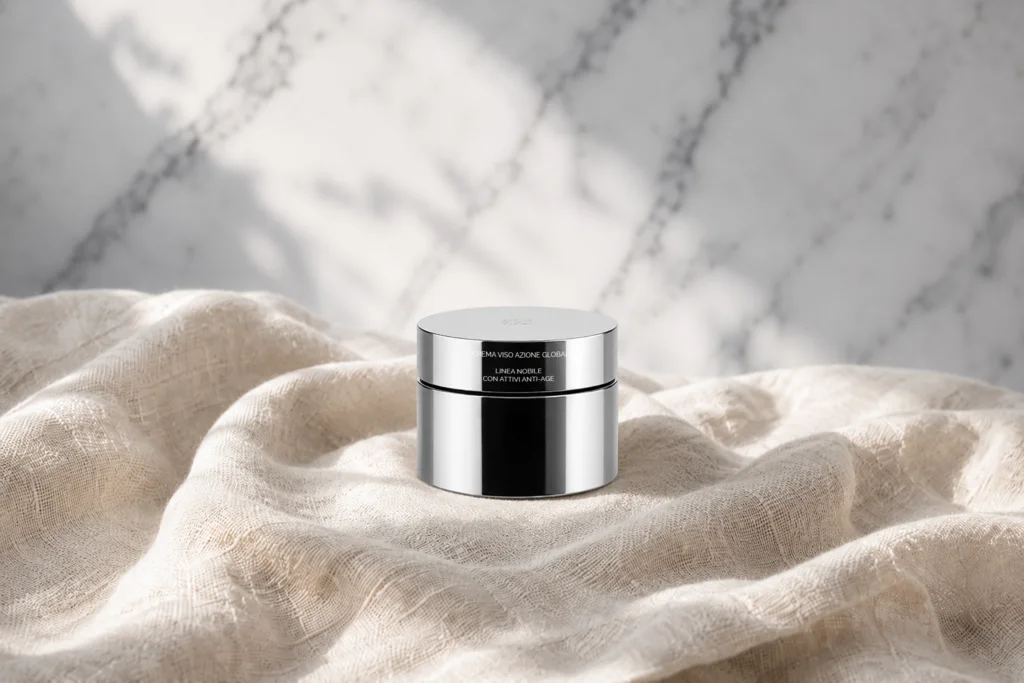
Eligenda Roma’s treatment for uneven skin tone
Eligenda’s documents describe Global Action Cream as a moisturising cosmetic treatment for uneven skin tone. The leaflet lists a complex of sweet orange, rice, caper and olive extracts, alongside hyaluronic acid, peptides, plant oils and vitamin E.
The Eligenda Roma catalogue associates the botanical complex with experimental data and a reference to Rizza and colleagues, published in 2012. This information concerns the active ingredient and the formulations studied. It does not provide clinical evidence that the finished Eligenda cream treats melasma or solar lentigines, or support a promised percentage reduction in pigmentation.
If well tolerated, the product can form part of everyday cosmetic skincare. It does not replace sunscreen, assessment of a dark spot or dermatological treatment when needed.
You can complement the cream with a face serum, applied beforehand if that step is useful for you. Remember sunscreen in the morning, as it is important in managing dark spots. To explore the connection between tension and skin concerns, read our guide to how stress affects the skin.
Frequently asked questions about dark spots on the face
How can I get rid of dark spots on my face?
It depends on the type of spot. Protection from light and certain treatments may help it fade, but a cosmetic product cannot guarantee that it will disappear. A spot that is new, different from the others or changing should be assessed before you treat it.
Why do brown spots appear on the face?
Many forms of hyperpigmentation involve a build-up of melanin and may be associated with sunlight, hormonal factors or inflammation. Not every brown skin lesion has the same cause, however.
What is the best product for reducing dark spots on the face?
No single product is best for everyone. What matters is identifying the type of spot, protecting the skin from light and choosing a formula your skin tolerates, or a treatment recommended by a dermatologist.
Do natural remedies such as lemon or bicarbonate of soda work on dark spots?
They are not proven treatments for dark spots and can cause irritation. Contact with certain citrus fruits followed by sun exposure can cause phototoxic reactions and leave pigmentation.
Can dark spots on the face be prevented?
Protection from light and management of acne and irritation can reduce some contributing factors. No routine can guarantee that new dark spots will not appear.
Do dark spots that appear during pregnancy go away on their own?
Melasma may fade after childbirth, but it can also persist. During pregnancy, choose products with your doctor and avoid retinoids and retinol. Continue protecting your skin from light.
How long does a dark spot take to fade?
The time varies with the cause, pigment depth and treatment. Some spots take months or longer. An ingredient alone is not grounds for promising a response within a few weeks.
When should I show a dark spot to a dermatologist?
When a spot changes, is new or different from the others, itches, bleeds or does not heal. A check helps establish what it is before treating it as a purely cosmetic concern.
At a glance
Dark spots have different causes and need different approaches. Adequate protection from light, gentle skincare and well-tolerated formulas provide a useful foundation; the choice of treatment depends on the type of lesion. Research on an ingredient does not automatically demonstrate the effectiveness of a cream containing it. For a spot that is new, changing or concerning, dermatological assessment comes first.