
Skin after 40: what changes and how to adapt your skincare
By Emanuela Silvi, founder of Eligenda Roma.
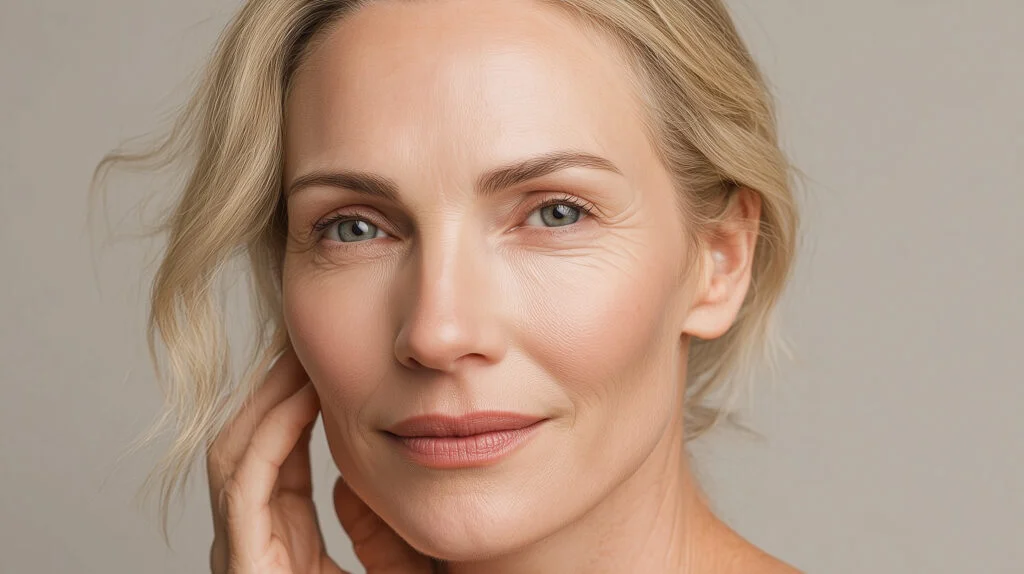
After 40, you may notice more dryness, lines that remain visible when your face is relaxed or a less even complexion. Skin changes gradually, at a different pace for everyone.
A well-chosen routine makes room for moisturising, gentle cleansing and sun protection, adapting products to what you notice on your face. Our Global Action Cream combines sodium hyaluronate, plant-derived glycerine, shea butter and plant oils to provide hydration and comfort in everyday care.
In this guide
- What mature skin means
- How your face may change after 40
- Perimenopause and menopause: the role of hormonal changes
- How to choose a face cream after 40
- Ingredients: which functions to look for
- The morning routine
- The evening routine
- How to assess whether your routine is working
- A younger-looking face at 40: realistic expectations
- Frequently asked questions
- Sources and further reading
What mature skin means
‘Mature skin’ is a cosmetic term describing age-related changes, not a diagnosis or a precise age threshold. Facial characteristics also depend on sun exposure over the years, habits and individual circumstances.
Mature skin may be dry, combination or prone to shine. When choosing products, consider both the signs you want to make less noticeable and how your skin behaves throughout the day.
You may need more comfort on your cheeks and less cream on your forehead. Or, at forty-five, you may still have the same tendency towards blemishes as before. An ‘anti-ageing’ label alone does not address these differences.
How your face may change after 40
Dryness and more visible lines
Over time, skin may become drier and some lines more noticeable. A moisturiser helps improve the surface appearance and feeling of softness. The American Academy of Dermatology includes daily moisturising among the foundations of skincare at this stage of life.
Notice when lines are most visible: after washing, at the end of the day or in a very dry environment. Comparing these situations can help you understand how much dryness affects your face’s appearance; assessing deeper skin changes requires a professional evaluation.
Evenness and signs of sun exposure
Ultraviolet exposure contributes to signs of skin ageing. Sun protection therefore remains part of the routine even when your main aim is to improve radiance or the appearance of wrinkles.
Dark spots need individual attention, however. A new lesion, or one that changes shape, colour or size, should be assessed before you apply cosmetics assuming it is simply an age-related cosmetic concern.
Firmness and contours
Facial appearance involves more than the skin’s surface. A cream can contribute to hydration, smoothness and comfort; it is not realistic to expect it to permanently reshape facial volume or deliver the same results as a medical procedure.
When comparing two products, distinguish the promised benefit: softness, less visible lines and changes in contour require different evidence.

Perimenopause and menopause: the role of hormonal changes
Hormonal changes can also affect the skin. During menopause, dryness, thinning and loss of elasticity may become more noticeable. The American Academy of Dermatology’s guidance on skin during menopause emphasises gentle cleansing, moisturising and sun protection.
Timing and symptoms vary: at 40, people can be at different hormonal stages. Facial changes can also have several causes, and the skin alone cannot identify the start of perimenopause.
If a change is sudden, substantial or accompanied by other symptoms, speak to your doctor. Choose cosmetics for your skin’s needs; a doctor should assess any hormonal concerns and discuss treatment where appropriate.
How to choose a face cream after 40
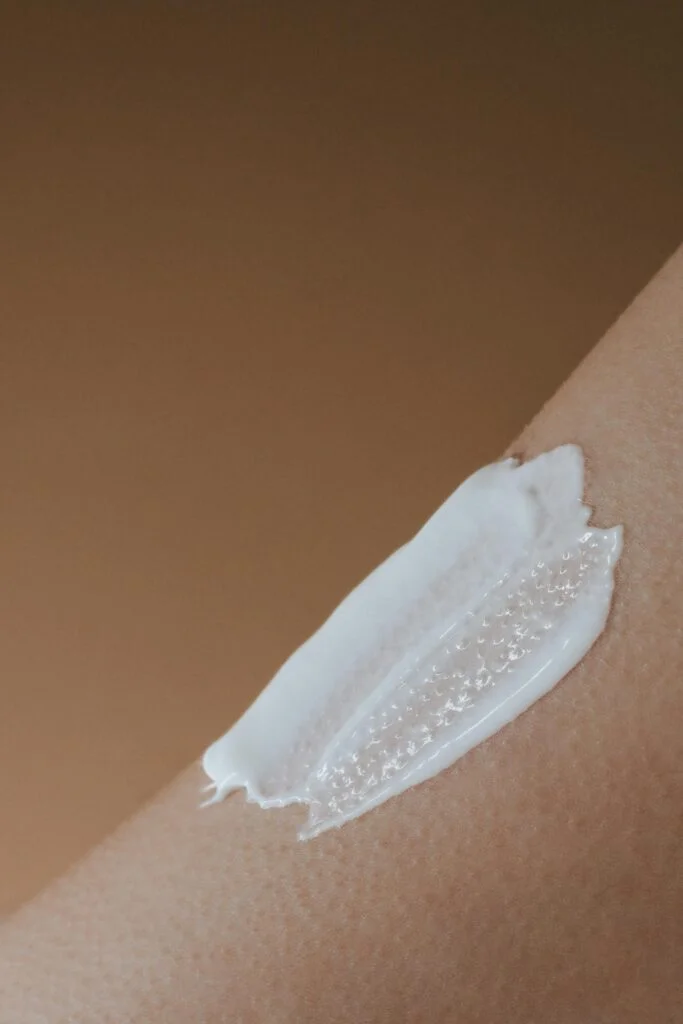
Start with the everyday problem you want to address. If your face feels tight after washing, review cleansing and moisturising first. If make-up collects on rough patches, look at the cream’s texture and the amount you apply. If your skin becomes shiny easily, consider how you distribute the product across different areas.
An enjoyable formula that your skin tolerates well makes consistency easier. Alongside the benefit described on the label, look for a comfortable texture and a sequence that fits your habits.
A richer texture may help dry skin. On combination skin, the amount can vary between the cheeks and T-zone. Sensitivity or known allergies require attention to the whole formula, regardless of the age group it is marketed towards.
Ingredients: which functions to look for
Hydration
Glycerine and sodium hyaluronate are used in moisturising formulas. Recognising them in the INCI list can help guide your choice, but comparing two creams also means considering the rest of their composition.
In the Global Action Cream, these ingredients sit alongside shea butter and plant oils. The formula combines moisturising and emollient components in one product.
Peptides and other cosmetic active ingredients
There are different peptides with different characteristics and uses. To understand a proposed benefit, check which peptide a product contains and the evidence supporting it. Our guide to facial peptides helps you interpret this information.
Our Global Action Serum contains a blend of biomimetic peptides, sodium hyaluronate in three molecular weights, plant-derived glycerine and botanical extracts. In the complete Eligenda routine, it goes after cleansing and toner, before the cream.
Ingredients and product evidence
When reading a study, check whether it concerns a raw material or the finished product: results for one do not transfer to every cream containing it. Also distinguish instrument measurements from participants’ perceptions, such as a feeling of softer skin.
This helps you choose without chasing every new ingredient. EU Regulation 655/2013 requires cosmetic claims to be supported by adequate, verifiable evidence consistent with the promised benefit.

The morning routine
Start with cleansing. Use a well-tolerated formula and follow its instructions. Apply Restorative Cleansing Milk to the face and neck, massage gently and rinse off. Its composition includes aloe, shea butter and plant-derived glycerine.
Add your chosen products. In the range’s full routine, Rejuvenating Facial Toner follows the milk, then a few drops of serum. You do not need to introduce every new product on the same day: gradual changes make tolerance easier to observe.
Apply your cream. Use light movements and an amount suited to each area. Take Global Action Cream from the jar with the supplied spatula and apply it to the neck and décolletage too.
Finish with sunscreen. When going outdoors, choose a broad-spectrum sunscreen with SPF 30 or higher and use it as directed, alongside shade and suitable clothing. Apply it in addition to your moisturiser if the latter has no stated sun protection.
The evening routine
In the evening, remove make-up and residue from products used during the day. Match your method to what you have applied: long-wearing make-up may need more attention than a day without make-up, but avoid rubbing or repeatedly washing your face.
Continue with your chosen sequence and cream. You can use the same product as in the morning if its directions allow and it meets your needs, or choose an evening formula. Age alone does not make a ‘night’ cream necessary.
Delicate Eye Contour Cream is designed for the eye area. Apply a small amount morning and evening, working gently from the inner to the outer corner. Its ingredients include sodium hyaluronate, plant-derived glycerine and caffeine.
To fit the steps into your day, our guide to skincare order offers a practical sequence and distinguishes optional additions from the foundations of a routine.
How to assess whether your routine is working
Observe a few practical details: comfort after washing, softness, how easily the cream spreads and areas that tend to become dry. To compare appearance over time, take photographs in similar lighting, at the same distance and under similar conditions.
Lighting greatly changes how we perceive lines and radiance. Comparing a photo taken in sunlight with one taken in the bathroom may exaggerate a change that is mainly due to the light.
Introducing several new products together also makes it difficult to tell which one helps or is poorly tolerated. The American Academy of Dermatology advises against indiscriminately layering anti-ageing treatments and recommends following directions. If a cosmetic causes burning or irritation, stop using it; if the problem persists or worsens, consult a dermatologist.
A younger-looking face at 40: realistic expectations
Wanting a younger-looking face may mean wanting to look less tired, have a more even complexion or soften certain lines. Knowing which change matters to you helps you choose a product and recognise its results.
Skincare can improve the skin’s appearance and comfort. For persistent dark spots, pronounced wrinkles or changes that concern you, a dermatologist can discuss appropriate options after examining your face. You do not need to treat every sign of ageing as something to correct; your priorities are personal.
Frequently asked questions
Does skin necessarily change at 40?
Changes are gradual and individual. Age helps put some needs into context, but does not alone describe how your skin behaves or determine which products you should use.
What is the best cream after 40?
One that meets your facial skin’s needs, is well tolerated and fits into a regular routine. Consider hydration, texture and directions alongside the cosmetic claims.
Do you always need an anti-ageing serum?
A serum can add a targeted step to cleansing, moisturising and sun protection. Choose it for a facial skin concern, rather than just the age group shown on the packaging.
Can skin still be oily?
Yes. Skin maturity and a tendency to produce sebum describe different things. Adapt quantities and textures to each area, rather than automatically choosing very rich formulas for the whole face.
Does menopause make skin drier?
It can contribute to skin changes, including dryness. Timing and symptoms vary; a new or significant problem should be assessed without automatically attributing it to hormones.
Is sun protection only needed in summer?
Protection should reflect your exposure to solar radiation, which is also present in cold weather. When going outdoors, consider an appropriate sunscreen and other sun-protection measures in colder seasons too.