

Vitamin E for the face: what it does and how to include it in skincare
By Emanuela Silvi, founder of Eligenda Roma.
Vitamin E is an antioxidant ingredient found in many facial cosmetics. It can be part of a cream, serum, oil or even a cleanser. How to use it and what results to expect depend on the product containing it. A cream and a cleanser have different jobs, even when they share this ingredient.
In our Global Action Cream, vitamin E accompanies hydrating and emollient ingredients in a leave-on treatment. In the cleansing milk, it is part of a rinse-off formula. Start by deciding which function you need in your routine.
In this guide
- What vitamin E does in a cosmetic
- What benefits to expect for the face
- Cream, serum or oil with vitamin E?
- How to use a cosmetic containing vitamin E
- Can you use pure vitamin E or the contents of a capsule?
- Can vitamin E and vitamin C be used together?
- Choosing for dry, combination or sensitive skin
- Wrinkles, dark spots and scars: claims to approach cautiously
- Does vitamin E replace sunscreen?
- Vitamin E in Eligenda treatments
- Frequently asked questions
- Sources and further reading
What vitamin E does in a cosmetic
Vitamin E is a group of fat-soluble substances with antioxidant activity. Tocopherol is one of its best-known forms. Antioxidant action helps counter oxidation processes. The National Institutes of Health factsheet explains the vitamin's forms and biological functions.
In cosmetics, antioxidant action may also concern the formula, helping limit oxidation of its oily components. The Cosmetic Ingredient Review assessment describes tocopherols as antioxidants and skin-conditioning ingredients. Understanding a cream's benefits for the face, however, requires its complete composition and evidence specific to that product.
On the label, you may encounter names such as Tocopherol or Tocopheryl Acetate. The tocopherol ingredient page explains the INCI names in detail. Here we focus on choosing and using the cosmetic day to day.
What benefits to expect for the face
A cream with vitamin E can fit into a routine focused on softness, comfort and care for skin prone to dryness. Humectants, oils, butters and other ingredients also contribute to the experience, each with its own function.
| Need | What to assess in the product |
|---|---|
| Uncomfortable or dry skin | Hydrating capacity, emollient ingredients and how it feels after application |
| Care for signs of ageing | Documented benefits of the formula, tolerability and regular use |
| Interest in antioxidants | Formulation type and relevant evidence, beyond the ingredient name |
| Dark spots or scars | Understand the concern and seek appropriate assessment; vitamin E alone is not a treatment plan |
Try comparing two textures. An emulsion may feel comfortable thanks to water, ingredients that help retain it and emollients working together. An oil has different characteristics, even when both products mention vitamin E on the packaging.
Before choosing, think about what you would like to improve: does your current cream leave skin uncomfortable? Are you seeking a specific treatment? Would you prefer another texture? These questions help identify which product to add or replace.
Cream, serum or oil with vitamin E?
Cream: complete daily care
A cream can bring several functions together in one step. It is practical if you want hydration and softness while keeping the routine simple. Check its entire composition and how it behaves under sunscreen or make-up.
If the cream meets your needs, you can continue using it on its own. Adding another vitamin E cosmetic makes sense only if you also need its function.
Serum: the stated purpose matters
A serum may offer a light texture or a specific function. The name alone does not indicate its vitamin E content or guarantee better results than a cream. Read what it was formulated to do.
If you already use one, check whether the new product adds something useful. Two serums with the same purpose may complicate the routine without a discernible benefit.
Oil: consider texture and composition
An oil with vitamin E may appeal to those who enjoy an emollient feel. Read its contents, however: the front label does not always clarify whether it is vitamin E, a blend of oils with added vitamin E or another preparation.
The rich feel of an oil may suit some times of day better than others. Under make-up, for example, assess how much you need and whether it spreads well with subsequent products. Remember that oil and moisturising cream have different compositions and functions.
How to use a cosmetic containing vitamin E
Directions depend on the cosmetic. Remove a cleanser as instructed; leave-on treatment stays on the skin; an eye-area product follows directions for that area.
For a face cream, use these steps as a guide:
- Cleanse the skin and remove the cleanser as directed.
- Apply any preceding treatments in their instructed order.
- Spread the recommended amount of cream, adding a little at a time only where needed to cover the area.
- In the morning, finish with suitable sunscreen.
The skincare order guide helps place each product. If vitamin E is already in your cream, use it at the cream step: it is not a separate stage.
Morning or evening?
Follow the formula's directions, particularly when it contains other active ingredients. Apply Global Action Cream morning and evening to the face, neck and décolletage with light strokes.
In the evening, consider a richer texture if you enjoy it; in the morning, how it sits under sunscreen may matter more. Adapt the choice to your habits while keeping the product's recommended frequency.
How much product, and for how long?
Oils, serums and creams call for different amounts. Vitamin E does not determine a universal number of drops: follow the label and use enough to cover the intended area.
How soon you notice a result depends on the formula. You can judge softness and how pleasant a product feels as you use it; other benefits need evidence for that product. Claims about results such as wrinkle reduction, or exactly when they will appear, must be supported by research on the treatment.
Can you use pure vitamin E or the contents of a capsule?
For your face, choose a product intended for cosmetic application. The word 'pure' alone does not tell you how much to use, how to spread it or how well your skin will tolerate it.
A capsule intended for swallowing has a different purpose. Opening it and spreading its contents does not provide the quantity and application guidance of a facial cosmetic. For skincare, choose a preparation designed for skin; any supplement use should be considered separately.
Also avoid adding vitamin E to your cream jar. You would alter a finished formula without being able to predict the mixture's stability or distribution. A cosmetic already containing vitamin E lets you use it with clear instructions.
Can vitamin E and vitamin C be used together?
Some cosmetics combine the two vitamins. Research has studied precise combinations at defined concentrations and under specific conditions. For example, a clinical study published in the Journal of the American Academy of Dermatology assessed a formula containing vitamin C, vitamin E and ferulic acid on human skin exposed to simulated UV.
The results apply to the combination studied, at the research concentrations and under its conditions. Mixing two cosmetics at home does not reproduce it, and either vitamin's presence in another cream does not guarantee the same performance.
If you want to use them in the same routine, follow the cosmetics' instructions and introduce new products gradually. Tolerability depends on the entire formula. With exfoliants in particular, observe your skin's response: vitamin E does not remove the possibility of discomfort from other products.
Choosing for dry, combination or sensitive skin
Dry skin: consider the comfort of the whole emulsion and the treatment you use after cleansing. Explore daily needs in the dry-skin routine guide.
Combination or blemish-prone skin: choose a texture you tolerate well. Vitamin E's presence alone cannot tell you whether a product will cause blemishes or is suitable for treating them. Observe the response to the complete formula without changing several products at once.
Sensitive skin: also check fragrance, extracts and ingredients you already know cause discomfort. You can try a new cosmetic on a small area following the American Academy of Dermatology's guidance. A home trial does not replace an allergy assessment or rule out every future reaction.
If itching, burning or redness occurs, stop using the product. An ingredient being a vitamin does not guarantee that every formula will be well tolerated by everyone.
Wrinkles, dark spots and scars: claims to approach cautiously
For wrinkles, assess the complete treatment and what is documented about its use. Better-hydrated skin may look smoother, but vitamin E's presence alone does not demonstrate a particular wrinkle reduction or a precise timeframe.
For dark spots, the nature of the change needs to be understood. A general recommendation to apply vitamin E oil does not identify the appropriate treatment or replace assessment when a spot changes appearance.
For scars, available evidence calls for caution. A small clinical study by Baumann and Spencer found no cosmetic benefit from vitamin E on treated surgical scars and observed contact reactions. The study is limited and concerns that specific use; it does not describe the tolerability of all vitamin E cosmetics. For wounds and recent scars, follow medical advice.
Does vitamin E replace sunscreen?
No. A cosmetic containing vitamin E does not automatically have an SPF. Even when antioxidant activity is studied in relation to UV exposure, it is not equivalent to the performance of tested sunscreen used correctly.
The American Academy of Dermatology recommends broad-spectrum, water-resistant sunscreen with at least SPF 30. Clothing and shade complement protection during exposure.
Keep sunscreen as a separate step, without reducing its amount or frequency because your cream contains antioxidants. Even a rich plant oil does not acquire a predictable protection factor from its composition.
Vitamin E in Eligenda treatments
In Global Action Cream, vitamin E accompanies sodium hyaluronate, plant-derived glycerine, shea butter and plant oils in a formula designed for hydration, comfort and care for signs of ageing. The ingredients together define the treatment: the properties of one alone cannot quantify its results.
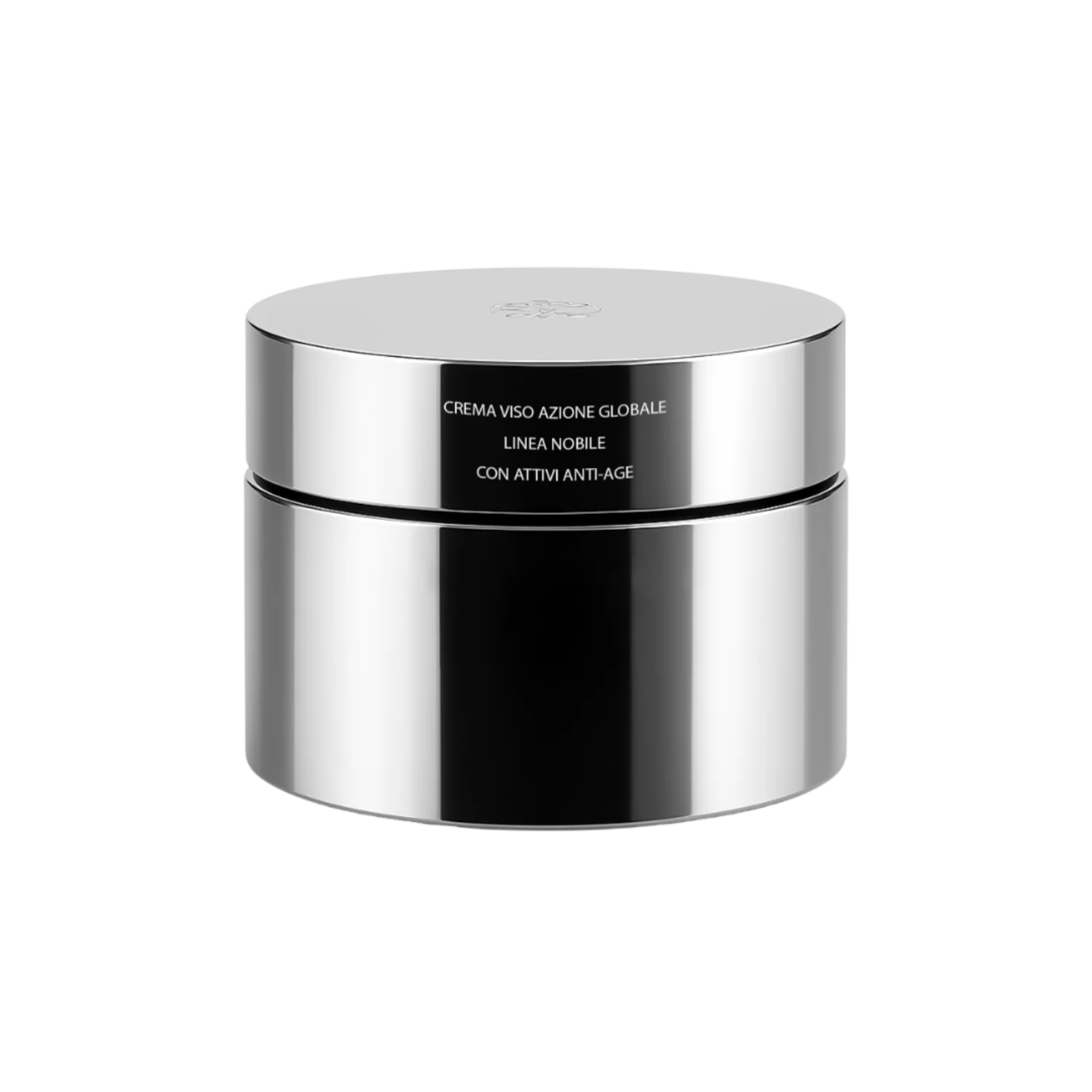
Take a small amount with the included spatula and apply with light strokes to the face, neck and décolletage. In the Eligenda sequence, it follows cleansing milk, toner and serum, morning and evening.
Vitamin E is also present in Restorative Cleansing Milk, where it forms part of a cleansing emulsion. Apply with fingertips or a cotton pad, massage gently and rinse with water. The milk and cream have different jobs and belong at different points in the routine.
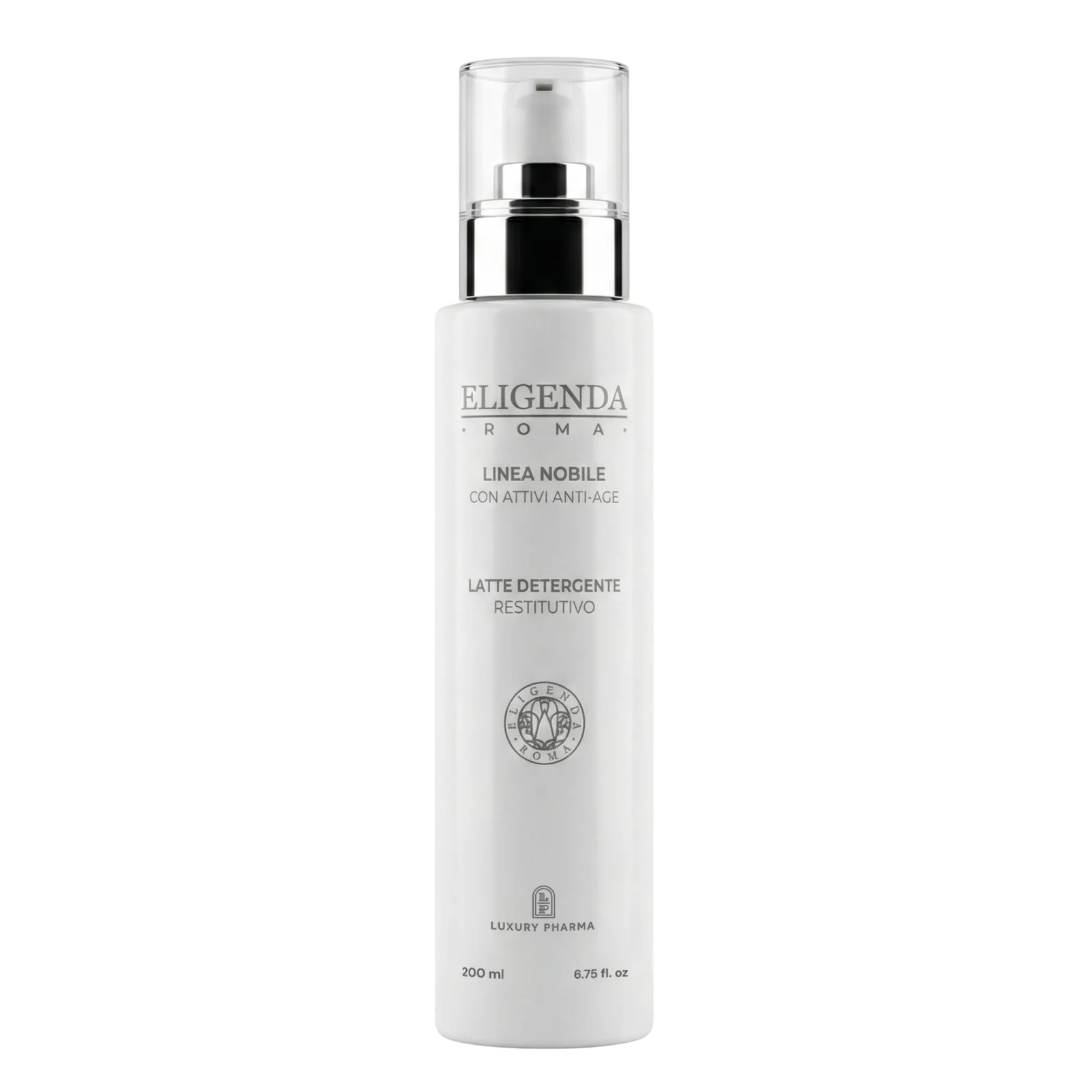
If you want an everyday formula, start with the function you need and how comfortable it feels. The INCI guide helps you read the label without turning a single name into a judgement of the whole cosmetic.
Frequently asked questions
What does vitamin E do for the face?
It is an antioxidant ingredient used in different cosmetics. Perceived benefits such as softness and comfort depend on the complete formula. Vitamin E's presence alone does not demonstrate a specific effect on wrinkles, dark spots or scars.
Is a cream or an oil with vitamin E better?
It depends on your needs and preferred texture. A cream can combine hydrating and emollient ingredients; an oil has a different composition and leaves a different feel. Compare the product's function, directions and tolerability rather than choosing solely by the vitamin's name.
Should vitamin E be used in the morning or evening?
It depends on the cosmetic. Apply Eligenda Global Action Cream morning and evening to the face, neck and décolletage. In the morning, vitamin E does not replace sunscreen.
Can I apply a vitamin E capsule to my face?
Choose a facial cosmetic and follow its instructions. Capsules intended for swallowing do not provide directions for cosmetic use on the face. Avoid adding their contents to your cream jar too.
Does vitamin E eliminate wrinkles and dark spots?
That result cannot be attributed to the ingredient's presence alone. Assess the formula's documented benefits and the nature of the concern. For spots that change appearance or specific doubts, seek dermatological assessment.
Can vitamin E irritate the skin?
Individual reactions are possible, including to formulas containing vitamin E. Stop use if itching, burning or redness occurs. A preliminary small-area trial does not replace an allergy assessment.
Can I combine it with a vitamin C serum?
Some formulas combine vitamin C and vitamin E. To use two separate products, follow their instructions and assess overall tolerability. Results from a study of a precise combination do not automatically transfer to a homemade mixture.
Does a vitamin E cream protect against the sun?
Vitamin E's presence does not give a product an SPF. You need sunscreen with stated protection, used correctly. Antioxidants do not allow you to reduce the amount or skip reapplication.
Sources and further reading
- NIH Office of Dietary Supplements, Vitamin E: the vitamin's forms and antioxidant function.
- Cosmetic Ingredient Review, assessment of tocopherols and tocotrienols, 2018: functions and safety assessment of the ingredients in the cosmetic uses examined.
- Murray and colleagues, 2008: study of a specific vitamin C, vitamin E and ferulic acid combination.
- Baumann and Spencer, 1999: clinical study of topical vitamin E and the appearance of surgical scars.
- AAD, how to try a new cosmetic.
- AAD, how to choose sunscreen.