
Cell turnover: what it means and how long skin renewal takes
By Emanuela Silvi, founder of Eligenda Roma.
Skin is a living organ that constantly renews itself: every day it sheds old cells at the surface and brings new ones up from below. This process is called cell turnover. It helps maintain the skin’s surface, but the appearance of your face alone cannot tell you how quickly it is happening.
At a glance: cell turnover is the cycle in which skin cells form in the deeper layers, move upwards and eventually shed from the surface. It does not take a fixed number of days for everyone: the body area, age and measurement method all matter. Everyday care starts with gentle cleansing, moisturising and sun protection; exfoliants and retinoids need to be chosen for a specific purpose.
This guide explains cell turnover, the layers of the skin and stages of renewal, how the timing varies and how to care for your skin. Eligenda Roma’s online analysis can help you plan a skincare routine, but it does not measure turnover or provide a diagnosis.
In this guide
What is cell turnover and how does it work?
Cell turnover, also known as cell renewal, is the process through which the epidermis continually renews itself. New cells form in the deeper layers and mature as they move upwards. When they reach the surface, they shed to make room for new cells. This invisible but constant process varies in duration according to the body area, age and measurement method. It helps maintain the epidermis and its barrier. Radiance, skin tone and healing also depend on other processes, however.
The stages of renewal: a cell’s journey through the layers
The epidermis is arranged in layers, and cells follow a defined path from the bottom to the top. The main stages are:
- Basal layer: the skin’s ‘factory’. Keratinocytes form here through cell division and begin their journey upwards.
- Spinous layer: cells connect through strong junctions and mature as they continue to move upwards.
- Granular layer: cells produce the lipids that hold the barrier together and begin to flatten, gradually losing their organelles.
- Stratum corneum: at the surface, the now flattened cells, which no longer have a nucleus, form a protective shield before eventually shedding.
The full journey and the time spent in the stratum corneum alone are different measurements. They should not be added together using fixed times assumed to apply to everyone. This layered structure, also described in medical reference material on the skin, allows skin to act as both a barrier and a tissue capable of renewal.
How often does skin renew itself? Understanding the cycle
The often-quoted ‘28 days’ is a simplification, not a personal timetable. First, it is important to establish whether a measurement covers the cells’ entire journey or only their passage through the stratum corneum.
A study by Grove and Kligman tracked the disappearance of a surface marker: passage through the stratum corneum took around 20 days in young adults and longer in older people. This does not measure the entire epidermal renewal process and does not support a rigid timetable for each decade of life.
| What is being considered | How to interpret the timing |
|---|---|
| Journey through the epidermis | Includes cell formation, maturation and shedding |
| Passage through the stratum corneum | Measures only part of the journey |
| Age and body area | May influence turnover; they do not define an individual timetable |
| Response to a cosmetic product | Is not a measurement of turnover and must be assessed for the specific product and purpose |
Dull or rough-looking skin does not, on its own, prove that turnover is slow. Dryness, irritation and product build-up can feel similar: before exfoliating more often, consider the rest of your routine.
How skin changes through life
The skin’s needs change with growth, age and hormones.
- Childhood. Care focuses on protection and gentleness; there is no need for a routine with anti-ageing active ingredients.
- Puberty. Changes in sebum production can contribute to shine and blemishes.
- Adulthood. Hydration, sun exposure and everyday habits influence the skin’s appearance; hyaluronic acid is one of the ingredients used in moisturising formulas.
- Mature skin. Dryness and visible lines may become more noticeable: we discuss this in our guide to skin after 40.
- Menopause. Hormonal changes may be associated with dryness and changes in skin structure. They do not determine a fixed number of days for turnover.
What slows cell turnover?
Age can alter epidermal turnover. Skin conditions and treatments can also influence it, but it is not accurate to assign a specific slowdown to every habit.
Unprotected sun exposure, smoking, insufficient sleep and stress can affect skin through different mechanisms. These habits cannot tell you how quickly your skin renews itself. We explore how stress affects the skin and how to care for it without trying to speed everything up.
Changes to look out for
A dull complexion with little radiance, roughness and flaking can have several causes. Visible pores, dark spots and wrinkles do not diagnose slow turnover either.
If a change persists or comes with itching and redness, its cause needs to be understood before you add exfoliants.
Cell turnover, acne and dark spots
In acne, altered keratinisation within the follicle can contribute to blockages alongside sebum. This is not simply a case of slow turnover across the whole skin. Our guide to comedones and blemishes helps distinguish between different situations; more exfoliation is not a universal solution.
Post-inflammatory dark spots also differ in depth and cause. Treating them is not just a matter of speeding up shedding: irritation can worsen some forms of uneven pigmentation. Sun protection and an appropriate assessment remain more useful than persistent scrubbing.
How to support cell renewal
The aim is not to make turnover as fast as possible, but to keep the skin’s surface comfortable. Exfoliants and retinoids can be useful in specific situations; not everyone needs them.
Chemical exfoliants: AHA, BHA or PHA?
Exfoliants help remove cells from the surface layer, but their effect depends on the substance, concentration, pH and formula.
- AHAs, such as glycolic and lactic acid, are used for surface exfoliation.
- BHAs, such as salicylic acid, also appear in products intended for blemish-prone skin.
- PHAs feature in some gentle formulas, but this does not guarantee that every skin will tolerate them.
The dermatological guide to exfoliation recommends choosing the method and frequency to suit your skin and the other products you use. Avoid applying exfoliants to irritated or broken skin, and do not combine several to try to get faster results.
Retinoids: how to introduce them without irritation
Retinol belongs to the retinoid family and has been studied for certain signs of ageing. It can cause irritation: introduce it gradually, follow the label and use adequate sun protection.
Dermatological guidance on retinoids advises against their use during pregnancy. If you are breastfeeding, have dermatitis or are receiving treatment, agree your product choices with your doctor. A plant-derived alternative is not automatically equivalent or safer.
Other ways to support skin renewal
- Vitamin C: an antioxidant ingredient used in some formulas for a more even skin tone, often found in a face serum.
- Niacinamide: has been studied in formulas intended to support the barrier and the skin’s appearance; effects depend on the product.
- Moisturising: good hydration helps maintain comfort and the appearance of the skin’s surface. Choosing the right face cream helps maintain this balance.
- Sun protection: helps limit damage from UV exposure.
These steps do not all speed up turnover. Assess the response according to the product and your aim, without treating a theoretical cycle as a deadline. Reading the label helps you understand which ingredients are declared, without deducing exact percentages: see our guide to reading cosmetic INCI lists.
Our guide to skincare order explains the sequence of everyday steps.
Eligenda Roma products in everyday skincare
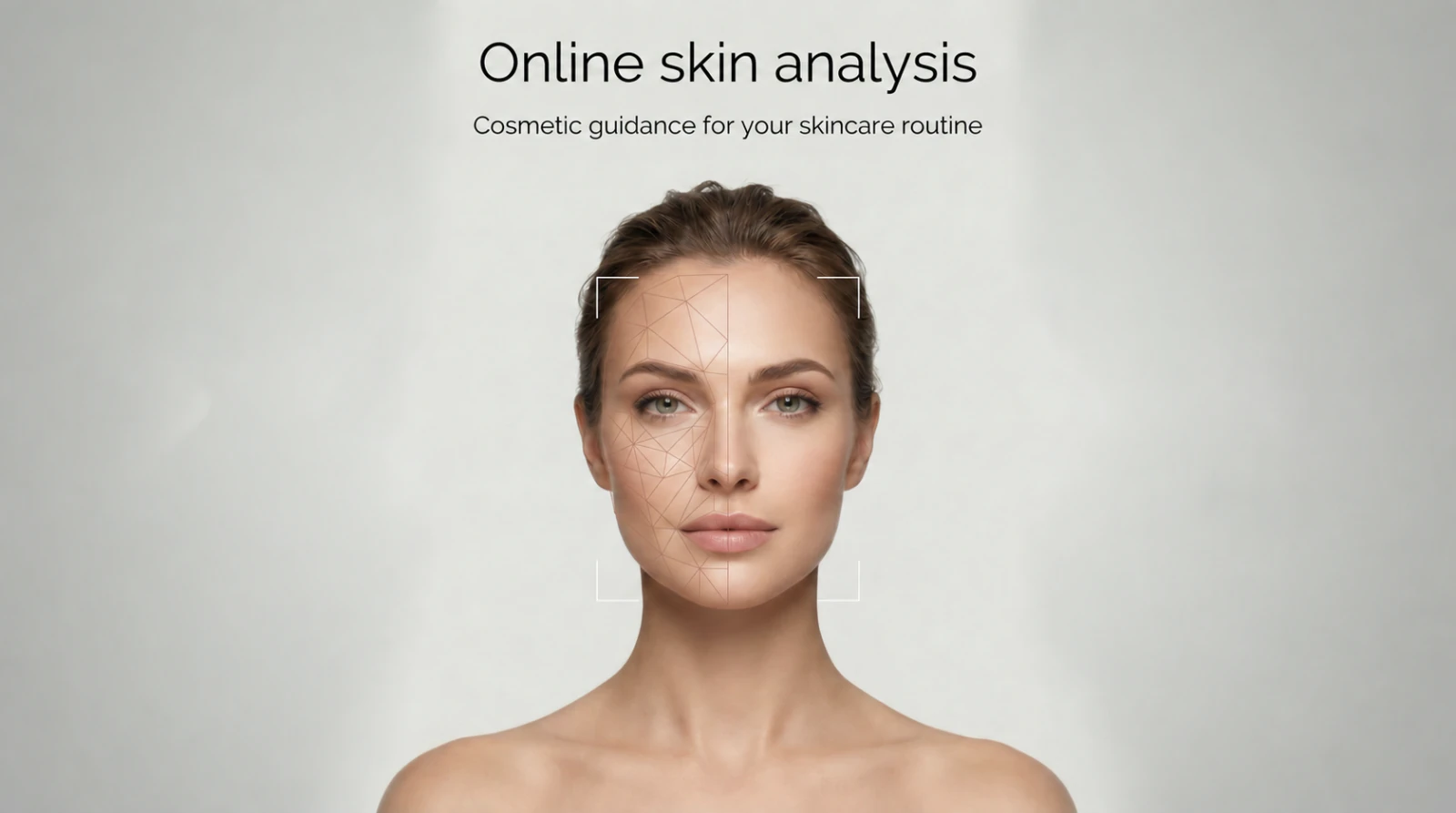
Starting with your skin’s needs helps you choose a simple routine. Eligenda Roma’s free analysis offers cosmetic guidance from an image: it does not measure turnover or replace a diagnosis. For everyday care, the Linea Nobile range offers the following products, to choose according to your needs:
- Cleansing: Restorative Cleansing Milk.
- Toning: Rejuvenating Facial Toner.
- Treatment: Global Action Serum, for a smoother-looking complexion.
- Moisturising: Global Action Cream.
- Eye care: Delicate Eye Contour Cream.
Frequently asked questions about cell turnover
What is cell turnover?
It is the process in which new cells form in the epidermis, mature and are eventually shed at the surface. It helps maintain the barrier, but does not alone explain the appearance of your face.
Cell turnover and skin turnover: what is the difference?
In skincare, both are often used to describe renewal of the epidermis. Cell turnover is a broader term, however: it helps to specify which tissue and which stage are being measured.
How often does facial skin renew itself?
There is no number that applies to everyone. The 28-day figure is a simplification: age, body area and measurement method change the estimate. Passage through the stratum corneum is not the same as the full journey through the epidermis.
How can you support skin cell renewal?
Start with a routine your skin tolerates well: gentle cleansing, moisturising and sun protection. Consider exfoliants and retinoids for a specific need, without trying to speed up turnover at any cost.
Can a cream speed up cell turnover?
That depends on the ingredients and the evidence for the formula. A moisturising cream mainly helps with comfort and the skin’s surface; including it in your routine does not demonstrate a measured increase in turnover.
How often can you exfoliate your skin?
There is no universal frequency. The formula, concentration, other treatments and your skin’s tolerance all matter. Some skin does not need it; stop exfoliating if it causes irritation and ask for advice if you are unsure.
What are the stages of skin renewal and development?
There are the stages of cell renewal through the basal, spinous and granular layers and the stratum corneum. There are also the stages of skin development throughout life, from childhood to menopause, each with different needs.
Final thoughts
Skin renews itself continually, at a pace you cannot judge just by looking in the mirror. A gentle routine and adequate sun protection help keep it in good condition; adding more exfoliants is not always helpful.
Eligenda’s online analysis can help you explore suitable products for a cosmetic routine, without measuring cell turnover or replacing a dermatological consultation.
Further reading
Find more information in our guides to skin concerns.