
Facial massage: applying products with gentle movements
By Emanuela Silvi, founder of Eligenda Roma.
Facial massage often becomes part of skincare naturally: you spread cream over your cheeks and take a few extra strokes. For daily application, clean hands, an appropriate amount of product and light strokes are enough, without pulling the skin or aiming for a fixed number of movements.
This guide focuses on applying cosmetics at home: how much to use, where to spread them and how to recognise when to stop. Professional techniques and manoeuvres for swelling require specific guidance.
In this guide
- What gentle massage does during skincare
- Before you start: hands, skin and product
- How to spread cream without pulling the skin
- Which product should you use for facial massage?
- Global Action Serum: a few light strokes are enough
- Global Action Cream: a small amount and a spatula
- The eye area: a separate application
- How long and how often?
- When to avoid massage
- Common application mistakes
- Frequently asked questions about facial massage
- Sources and further reading
What gentle massage does during skincare
Light strokes help spread the cosmetic. As you distribute it, you can feel how it glides beneath your fingers and notice any discomfort immediately.
Light stroking: a gentle movement of the fingertips over the surface. In our treatment instructions, it describes how to apply them; it does not require kneading, deep pressure or pulling the face.
Some people enjoy taking a brief pause to apply their cream; others prefer to finish and move on. Either is fine. Follow the product’s instructions: careful application does not need to take long.
Results you should not take for granted
Softer skin after cream does not demonstrate that massage has changed the tissues. When assessing the effect, also consider the product applied and how it feels.
The strokes described here are for spreading products. There is no basis for attributing a lasting lift, the disappearance of wrinkles or a 'detox' effect to these movements. Redness is not a sign to seek during application either.
When comparing skin photographs, consider lighting, expression and face position: they can make two pictures taken close together look very different. Similar conditions help you observe changes without confusing them with photographic differences.
Before you start: hands, skin and product
Prepare the cosmetic and read its directions. Check the intended areas: a facial treatment should not automatically be applied to the eyelid or near the eye's edge.
Wash your hands and tie back hair if it falls onto your face. Find a comfortable position in front of the mirror without tilting your neck backwards. Place the packaging on a stable surface and close it after taking the product.
For cleansing, the American Academy of Dermatology recommends a gentle fingertip approach without rubbing. Our facial cleansing guide covers this stage in detail.
If your skin is already burning before you start, postpone massage and avoid going over the area. When discomfort is present, even a familiar routine may need a pause and reassessment.
How to spread cream without pulling the skin
This sequence concerns cosmetic application. Always follow any different directions given on your product.
- Take a small amount. Use the supplied applicator, if present. Add a little where needed rather than starting with an excessive layer.
- Place it on a few areas. Divide it between forehead, cheeks and chin, keeping to the areas the product is designed for. This avoids having to spread the entire amount from one point on the face.
- Spread with short, light strokes. On the cheeks, you can work from the centre outwards; on the forehead, spread sideways. These directions help cover the surface; they have no demonstrated lifting effect.
- Use smaller movements in small areas. Beside the nose and around the mouth, a controlled movement is enough. There is no need to stretch the lips or pull the cheeks to reach every crease.
- Stop when the product is spread. When your fingers stop gliding, finish the movement. A leave-on treatment may leave a soft feel; you do not need to rub until it disappears.
Watch how your skin moves: if your fingers drag the skin, lighten your touch or stop. You do not need to pinch or tap rapidly to finish applying the product.
Should I warm cream between my hands?
It is not essential. Follow the product's instructions. If you distribute a small amount on your fingertips, apply it directly without prolonged rubbing between your palms.
Rubbing the product between your hands for too long may simply leave more of it on your hands. With some textures, it is easier to apply small dots directly to the intended area, then spread them gently.
Which product should you use for facial massage?
For skincare application, first choose a cosmetic suited to your routine and use it as directed. There is no need to buy an oil simply to prolong the movements.
A quickly absorbed formula may need only a few light strokes. A richer texture glides differently under your fingers. Always judge by the recommended amount and comfort, without adding more cream solely to extend the massage.
| Product | Application method | When to stop |
|---|---|---|
| Rinse-off cleanser | Spread according to instructions and complete cleansing | When it is time to rinse |
| Serum | Apply the recommended amount with gentle movements | When spread, without continuing to rub |
| Cream | Spread evenly over the indicated areas | When the surface is covered and application remains comfortable |
| Eye cream | Use the dedicated product within its intended area | Without dragging the skin or pressing on the eyeball |
For the full sequence, see the skincare order guide. Keep your usual routine while paying attention to how you apply each product.
Global Action Serum: a few light strokes are enough
Apply our Global Action Serum morning and evening, using a few drops on the face, neck and décolletage with light strokes. It absorbs quickly: spread it, then follow with Global Action Cream as directed in the routine.
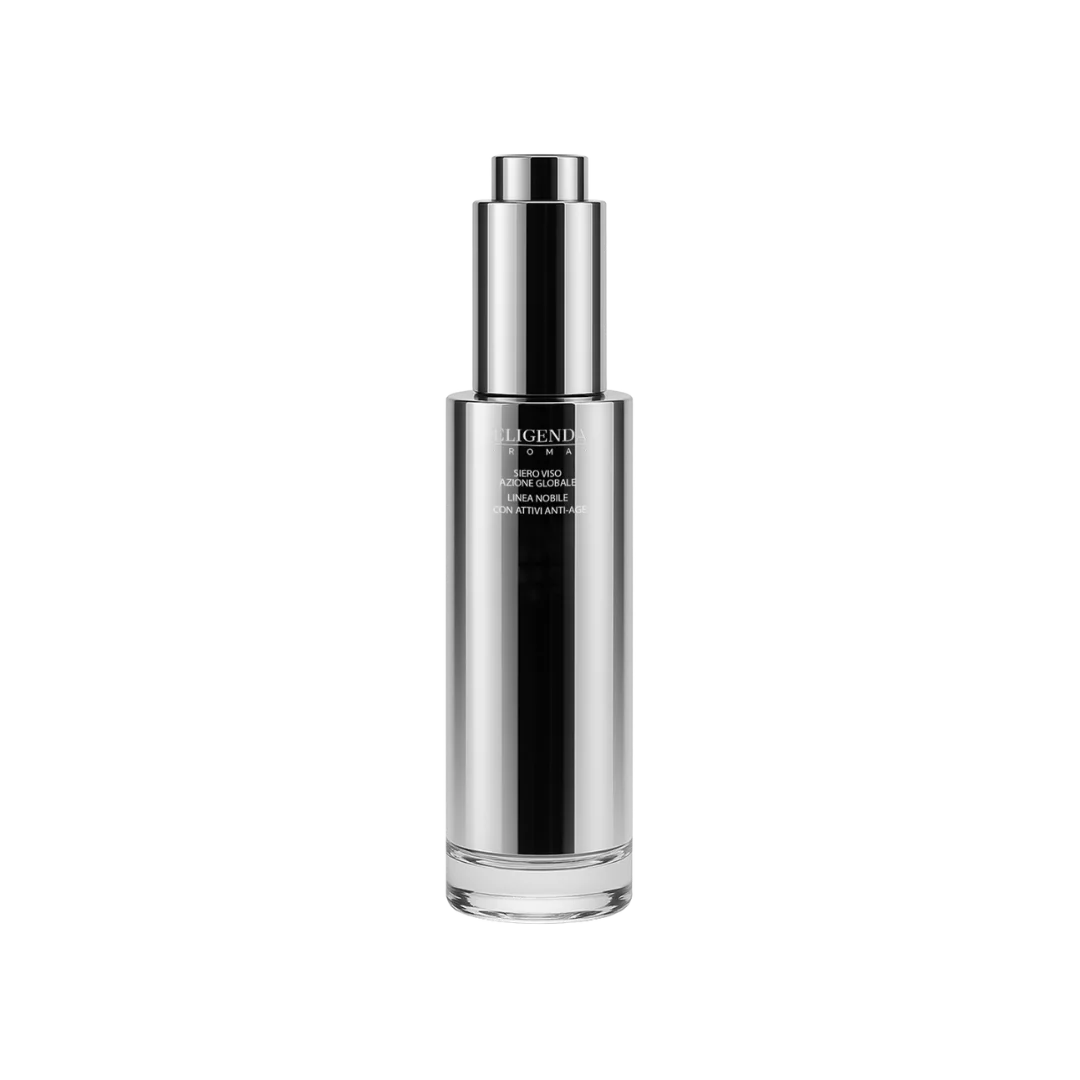
Quick absorption lets you move on to the next treatment promptly. Once the drops are spread, stop without adding more to prolong application. For the serum's function and how it differs from cream, read what face serum does.
Global Action Cream: a small amount and a spatula
With Global Action Cream, use the spatula included in the packaging. Spread a small amount over the face, neck and décolletage morning and evening with light strokes.
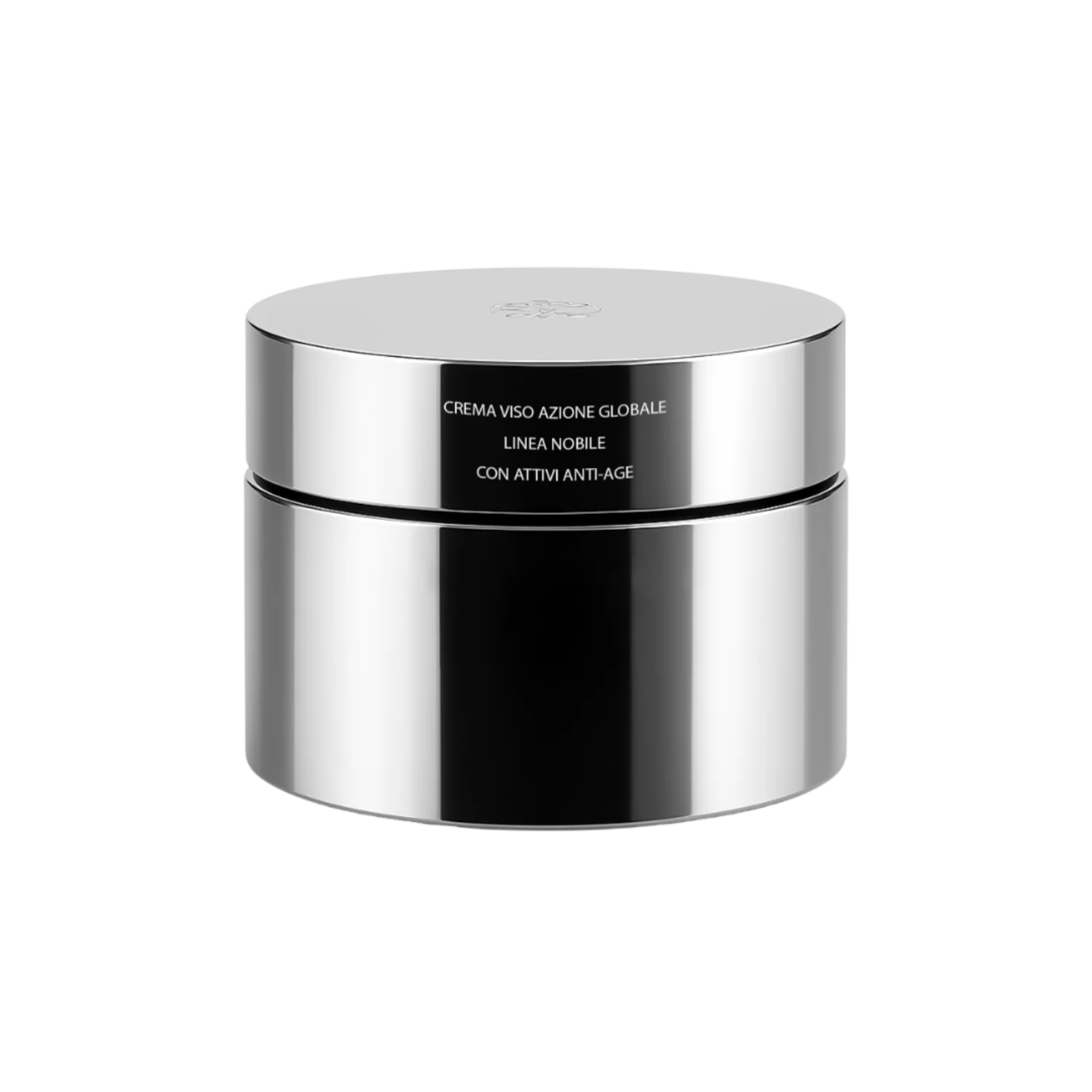
Take a little at a time to control how much you use. Distribute it across the intended areas and spread with your fingertips, stopping once application is complete. Keep your touch light on the neck too, avoiding pressure on the throat or deep massage.
Close the jar and store the clean spatula in a clean place, ready for the next application.
The eye area: a separate application
Apply Delicate Eye Contour Cream around the eyes using a small amount morning and evening, working from the inner towards the outer corner until fully absorbed.
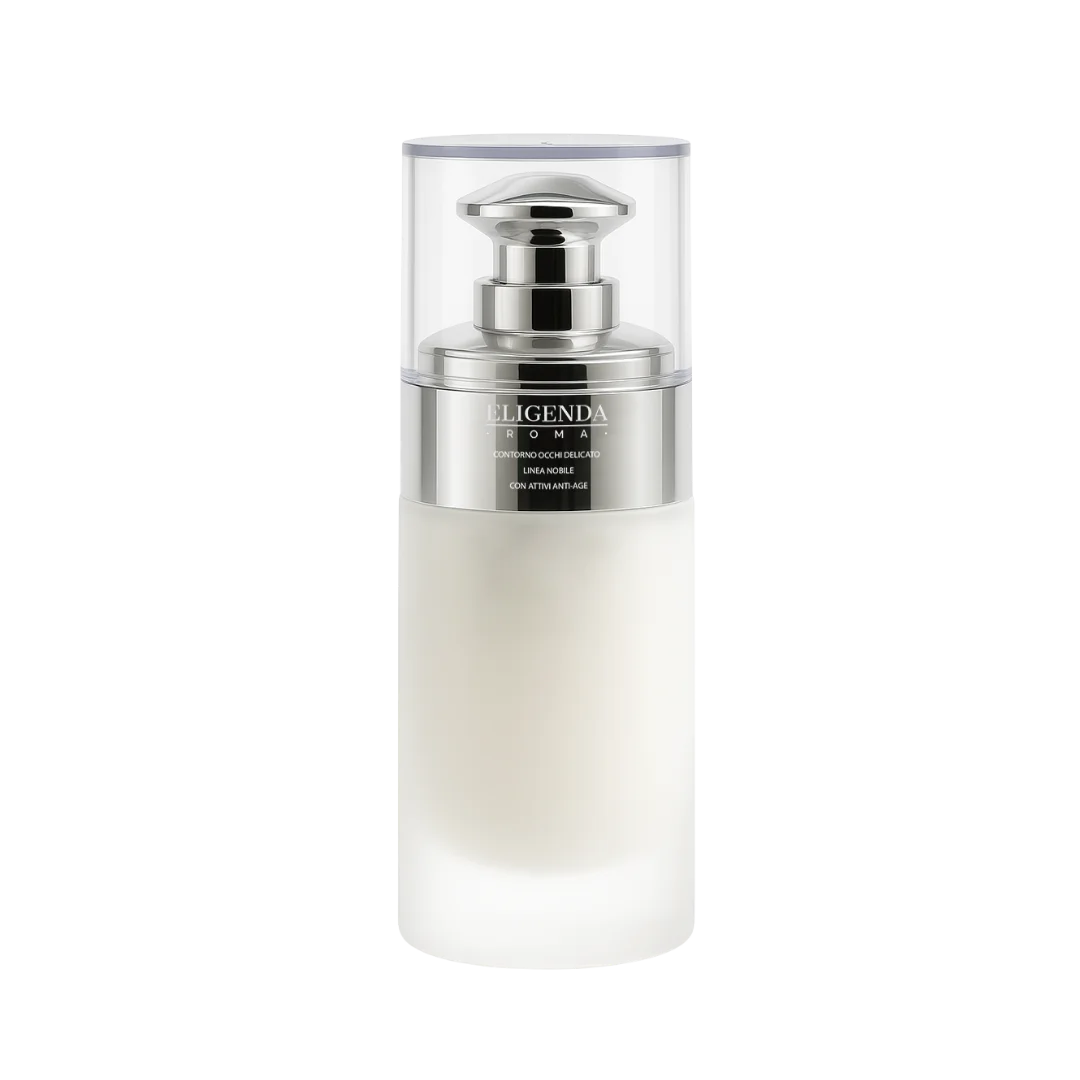
Keep contact light and do not get product inside the eye. The AAD advises applying creams gently in this area without pulling the skin. Choose the finger and movement that let you maintain the lightest touch. There is no need to count strokes.
If new, painful or persistent swelling appears, avoid massaging the area and seek healthcare advice. The cosmetic application described here does not treat that problem.
How long and how often?
Applying a cosmetic does not require a target duration. Frequency depends on the product, while the movement lasts as long as needed to spread it comfortably.
For a cream used morning and evening, for example, the strokes needed to spread it are enough. Include them in your routine without setting aside extra time for a separate massage.
If you enjoy taking your time, check that the movement remains pleasant. Stop when the product is spread or fingers glide less easily: our treatment instructions do not require increased duration or pressure.
When to avoid massage
Avoid manipulation when skin is irritated, wounded, painful or sunburnt. After a dermatological treatment or aesthetic procedure, follow the practitioner's instructions, including when and how to resume your usual cosmetics.
With rosacea, the AAD advises avoiding facial rubbing and massage because irritation can worsen symptoms. Scrubbing acne-prone skin to 'clean it better' can also be counterproductive: the AAD's acne guidance recommends gentle care.
Seek professional assessment before using intensive massage techniques or trying to address a medical condition. The NCCIH notes that safety also depends on individual circumstances and that massage should not delay healthcare for a medical problem.
Common application mistakes
Adding product to prolong the movement. If the amount is already spread, finish that step. A fast-absorbing cosmetic does not need to stay slippery for a long time.
Aiming for obvious redness. Do not use skin colour as your target. Stop if burning, discomfort or persistent redness occurs.
Using the same movement everywhere. Cheeks, the sides of the nose and the eye area need different-sized movements. Keep the product within its intended areas.
Copying a video technique without understanding its purpose. A professional demonstration may include manoeuvres unrelated to applying cream. For everyday skincare, the cosmetic's application instructions are enough.
Buying an accessory before learning the movement. Hands are enough for the light strokes described here. If you choose a roller or another tool, read its instructions and check that its use is appropriate for your skin.
Frequently asked questions about facial massage
Can I massage my face every day?
You can apply cosmetics gently at the recommended frequency. Extra massage is not necessary every day. Stop if skin becomes irritated; with rosacea or other conditions, ask your dermatologist for guidance.
Is cream or oil better?
For ordinary application, use the product in your routine according to its directions. Adding oil is unnecessary. Being able to glide your fingers for longer does not demonstrate that a product is more effective for skin.
Does facial massage eliminate wrinkles?
The light strokes in this guide are for spreading cosmetics. They cannot support promises that wrinkles will disappear or that a lasting lift will occur. Assess the product's results according to its indications and your skin's response.
How much pressure should I use?
For serum and cream, light strokes are enough. Avoid pulling, pinching and deep pressure. If movement drags the skin or feels uncomfortable, lighten it or stop, even if the sequence is unfinished.
Can you massage the eye area?
Apply the dedicated cosmetic very gently without pressing on the eyeball. Spread a small amount of Eligenda Delicate Eye Contour Cream from the inner towards the outer corner until absorbed. With new or persistent swelling, stop massage and seek assessment.
Are gua sha and rollers essential?
No, hands are enough to spread serum and cream. Accessories have their own directions and are not required to follow Eligenda treatment instructions. If you use them, consider cleanliness, pressure and skin condition.
Can I continue once serum has absorbed?
There is no need. Spread the recommended amount and move to the next product as directed. Adding more serum just to keep massaging makes it harder to control how much you use and is not necessary.
Should I always move my hands upwards?
There is no single rule for every product and area. Follow specific directions, use controlled strokes and do not attribute a lifting effect to the direction. Delicate Eye Contour Cream is applied from the inner towards the outer corner.
Sources and further reading
- American Academy of Dermatology, Face washing 101: fingertips, gentle handling and care around the eyes.
- American Academy of Dermatology, skincare and rosacea: avoiding rubbing and massage that irritate skin.
- American Academy of Dermatology, habits that can worsen acne: avoiding vigorous rubbing.
- NCCIH, Massage Therapy: What You Need To Know: massage limitations and safety. A general source, not evidence of cosmetic results from the light strokes described.