
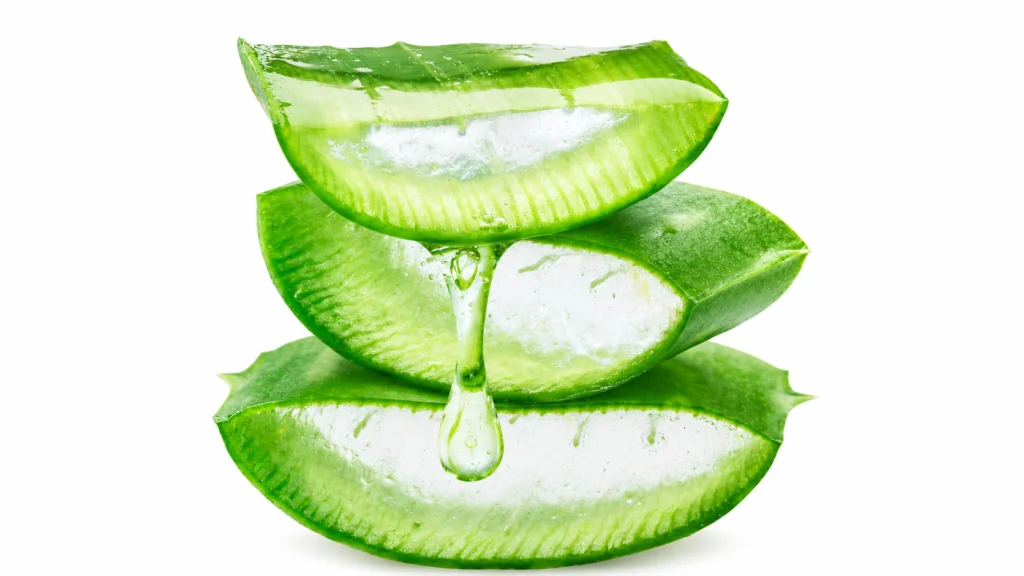
Aloe vera for skin: what it does and what it does not do
By Emanuela Silvi, founder of Eligenda Roma.
Aloe vera is used in cosmetics to contribute to skin hydration and comfort. On the face, it can be useful in a gel, cream or cleanser, but the result varies with the preparation and accompanying ingredients. A high percentage on the label alone does not ensure a more effective or gentler product.
Start with your skin’s needs: more softness in dry areas, a lighter texture or gentle cleansing.
In our Restorative Cleansing Milk, aloe works alongside plant butters and oils in a formula that gently removes make-up and surface build-up. It is a rinse-off product designed for the first step of your routine.
In this guide
- What does aloe vera contain?
- Aloe vera’s benefits for skin
- Aloe gel, juice or powder: reading the INCI list
- Cosmetic gel or freshly cut aloe?
- Can aloe vera dry out the skin?
- Choosing an aloe product for your face
- How to use aloe vera on your face
- Sun exposure, wrinkles and spots: what to expect
- Aloe in Eligenda Roma Restorative Cleansing Milk
- Frequently asked questions
- Sources and further reading
What does aloe vera contain?
Aloe is a succulent plant with fleshy leaves enclosing a clear, gel-like inner part. This is used to make preparations for cosmetics.
The inner gel is mainly water. It also contains polysaccharides, or complex sugars, alongside small amounts of other substances. Their profile varies with the raw material and processing.
In cosmetics, aloe is chosen mainly for its contribution to hydration and how pleasant a product feels. The plant’s composition, however, cannot establish how many vitamins a cream contains or what effects it has on the skin.
Inner gel, latex and whole leaf
These are different preparations. Gel comes from the inner leaf; latex is associated with the outer layers; and whole-leaf extract includes material beyond the inner gel. The National Center for Complementary and Integrative Health factsheet distinguishes these forms because their composition and uses differ.
Choose a cosmetic specifically for the face, with clear directions and an ingredient list. A generic aloe preparation or a drink may be intended for a different use.
Aloe vera’s benefits for skin
Surface hydration
Aloe’s polysaccharides may contribute to a formula’s ability to retain water. Well-hydrated skin tends to feel softer and more comfortable.
A cosmetic study involving 20 female volunteers compared formulations containing different concentrations of freeze-dried aloe extract. After two weeks, those with aloe increased stratum corneum water content compared with the base. No reduction in water loss through the skin was found compared with that same base.
The study therefore documents improved hydration without demonstrating other effects on the skin barrier. The findings concern formulas applied to the forearm and cannot be extended to every commercial gel or to Eligenda Roma Cleansing Milk.
A feeling of comfort
Aloe is valued in soothing products. A light gel may feel fresher than a cream; the water-based formula and texture also contribute to that sensation.
Immediate freshness is not enough to judge an effect on redness. If your face burns, often turns red or has a persistent reaction, establish the cause before adding products.
A contribution to the formula
Aloe is used in products with different purposes. In creams, it accompanies humectants and emollients; in cleansers, it works alongside ingredients that remove dirt and make-up; in masks, it forms part of a treatment with a defined application time. Follow each cosmetic’s directions: sharing an ingredient does not make these products interchangeable.
Aloe gel, juice or powder: reading the INCI list
You may encounter several names in the ingredient list:
- Aloe Barbadensis Leaf Juice, meaning juice from the leaf.
- Aloe Barbadensis Leaf Extract, an extract preparation.
- Aloe Barbadensis Leaf Juice Powder, a powdered form made from the juice.
The name helps identify the raw material, but it cannot reveal every processing stage or the concentration of the preparation used.
When interpreting its position on the list, consider the ingredient’s form. Juice contains a great deal of water, while a powder may be concentrated. Even near the end of the INCI list, its contribution could be relevant.
The rules determining ingredient order are explained in our guide to reading a cosmetic label.
Does ‘99% aloe’ mean it is better?
Interpret the stated percentage alongside the ingredient’s form and the manufacturer’s information. It does not necessarily measure polysaccharide content or allow direct comparison with the percentage of a concentrated extract.
A high-percentage gel may feel pleasant; a cream with a different proportion of aloe may suit dry skin better when it needs emollience. Choose for that need, considering the other ingredients too.
Ingredients present in small amounts also serve purposes such as maintaining texture and preserving the product. A shorter list alone does not make a product gentler.
Cosmetic gel or freshly cut aloe?
‘Pure gel’ is used to describe very different products: it may mean a packaged cosmetic or gel taken straight from a leaf. Before choosing, check which preparation the label refers to.
A cosmetic is prepared for its intended use and comes with storage and shelf-life information. With homemade gel, separating the leaf’s parts, hygiene and storage depend on the person preparing it. It is not equivalent to a controlled cosmetic raw material.
Avoid improvised preparations for your face, particularly if your skin is reactive. Adding fresh gel to a jar of cream changes the formula and may compromise its preservation.
With a packaged product, close the cap securely, avoid light and heat, and observe the stated shelf life. If smell, colour or texture changes markedly after opening, stop using it and check the manufacturer’s information.
Can aloe vera dry out the skin?
Some gels leave a tight feeling as they dry. This may relate to the film they form, the amount applied or the combination of ingredients. Tightness does not demonstrate that aloe is dehydrating the skin, but it is a reason to reconsider the amount or texture.
If this happens, try reducing the amount in line with the directions or choosing a more suitable texture. On a dry face, a cream containing emollients may feel more pleasant than gel alone.
If tightness comes with burning, itching or redness, stop using the product rather than waiting for your skin to get used to the discomfort.
Choosing an aloe product for your face
Dry skin
Look for a formula combining hydration and emollience. Aloe and other humectants can be paired with oils or butters that help keep skin soft.
Gel alone may not meet all the needs of dry skin. If your face often feels tight, review your cleanser and how often you carry out each step. Our dry-skin face routine offers a practical starting point.
Combination or oily skin
A light texture may feel pleasant on skin prone to shine. Aloe’s presence alone cannot predict whether a product will contribute to blemishes: the complete composition and your skin’s response over time matter.
Keep routine steps distinct: apply hydrating gel after cleansing. An aloe cleanser can be followed by cream or another moisturising treatment if your skin needs it.
Sensitive skin
Aloe is generally well tolerated, but skin reactions have been reported. The NCCIH notes possible burning, itching and rashes with topical use.
Introduce only one new product at a time and check for ingredients you know you react to. Trying it on a small area can help you observe tolerability, without ruling out an allergy. If you have already reacted to the plant or product, do not try it again on your own.
How to use aloe vera on your face
How you use it depends on the cosmetic. Before applying, check whether it is meant to remain on the skin or be rinsed off.
Leave-on gel: spread a light layer on clean skin as directed. If your skin also needs cream, apply it in the sequence specified for your products.
Aloe cream: use it as a moisturising treatment, adjusting the amount for comfort. You do not need a separate gel simply because it contains the same ingredient.
Mask: follow the stated application time and rinse if directed. Leaving it on longer does not guarantee a better result.
Cleanser: massage gently and remove as directed. Rinse-off cleansing milk should be removed after massage, not left on the face overnight.
You can use an aloe cosmetic every day if it is intended for daily use and well tolerated. See the skincare routine order to coordinate your steps.
Sun exposure, wrinkles and spots: what to expect
Aloe does not replace sun protection. A refreshing product may feel comfortable after a day outdoors, but it cannot undo exposure damage or make longer exposure safe. Sunburn with pain, blisters or significant symptoms needs appropriate assessment.
Good hydration may make superficial dryness lines less noticeable. To attribute an effect on deeper wrinkles to an aloe gel requires specific evidence for the product.
For persistent spots, dermatitis or other skin problems, avoid relying on an aloe cosmetic as the only treatment. Research on preparations studied in a medical setting does not automatically apply to the gel or cleanser in your bathroom.
Aloe in Eligenda Roma Restorative Cleansing Milk
Our Restorative Cleansing Milk contains fresh aloe vera juice, alongside shea butter, apricot butter, olive and sweet almond oils, glycerine and the other ingredients in the formula.
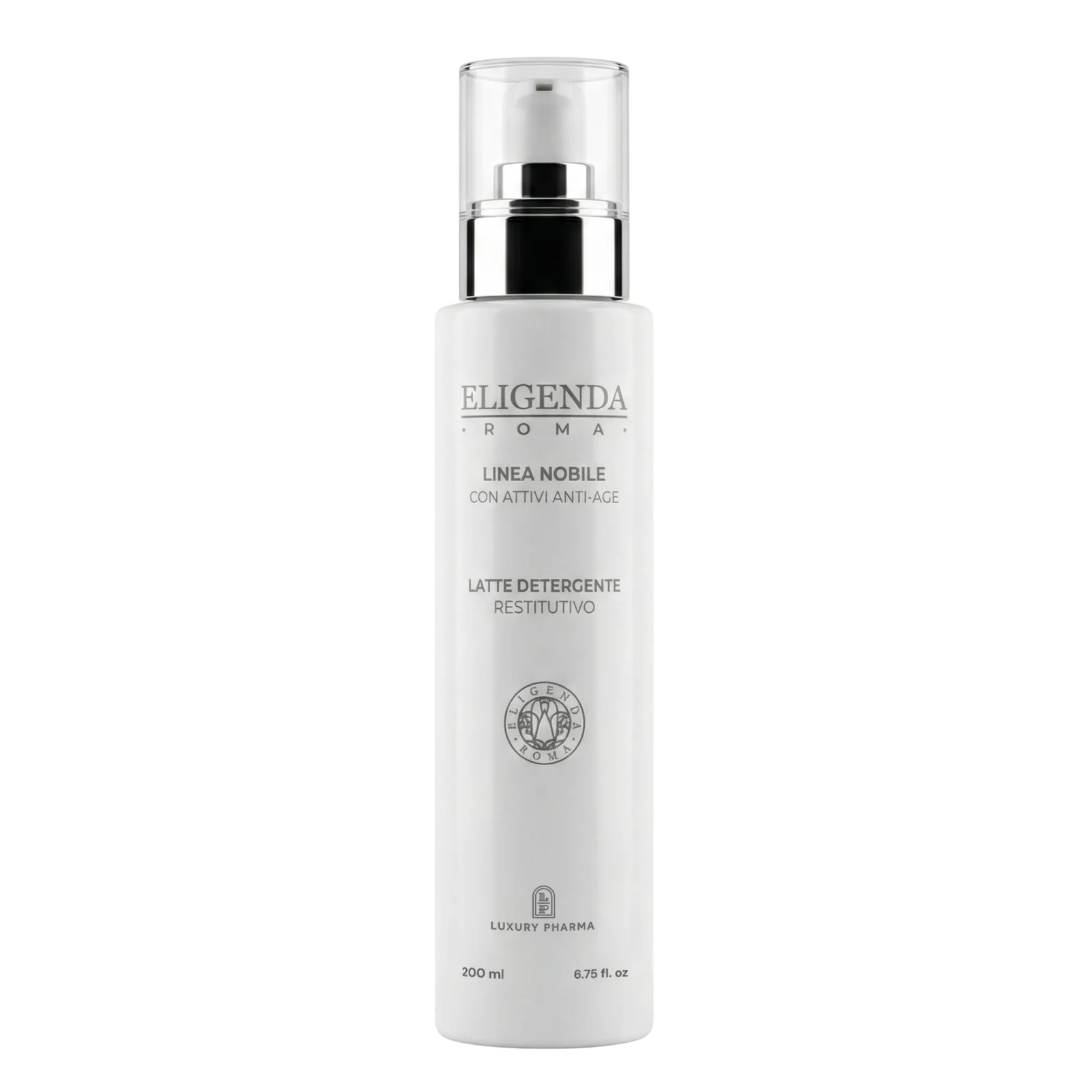
Aloe contributes to cleansing designed to leave skin soft and comfortable while removing make-up and surface build-up. The product is rinsed off after brief contact: its role in the routine is cleansing.
Apply it to your face and neck with your fingertips or a cotton pad, massage gently and rinse off with water. Follow with Rejuvenating Facial Toner and the treatments chosen for your skin.
In our routine, aloe is therefore part of the cleansing step. Choose subsequent treatments according to your skin’s other needs.
Our face cleansing guide explains how to make this step effective and gentle.
Frequently asked questions
What are aloe vera’s benefits for skin?
In cosmetics, it mainly contributes to hydration and comfort. The result depends on the preparation, accompanying ingredients and directions for use.
Can I use aloe gel on my face every day?
Yes, if the gel is intended for the face and daily use, and your skin tolerates it. Use the recommended amount and stop if irritation or persistent discomfort develops.
Should aloe be rinsed off the face?
It depends on the product. Leave-on gels and creams stay on the skin; cleansers and some masks are removed. Restorative Cleansing Milk is rinsed off with water.
Can I leave aloe on my face overnight?
Only if the cosmetic is intended to be left on and your skin tolerates it. A thicker application does not ensure greater benefit and may leave a sticky or tight feeling.
Is aloe vera suitable for oily skin?
It can be included in lightweight formulas that suit your preferences. To assess the effect on blemishes, consider the other ingredients and observe your skin’s response.
Is a 99% gel or an aloe cream better?
It depends on your skin’s needs. The stated percentage alone cannot compare different forms of the ingredient. A cream may be more comfortable if you want emollience as well as hydration.
Can you apply an aloe leaf directly to your face?
For daily care, a ready-to-use cosmetic is preferable. With a fresh leaf, it is harder to control which parts are applied, preparation hygiene and storage.
Can aloe cause an allergy?
Individual reactions are possible. If you have already reacted to aloe or a product containing it, avoid trying it again on your own. Persistent redness, or redness with itching, warrants dermatological advice.